 ✨ AI Generated
Fukagawa Fudoson Temple
Japanese: 深川不動尊
Koto City, Tokyo
This information was written by AI and may contain mistakes. Please check official sources for opening hours, fees, and other details before you go.
Found a mistake? Let us know with “✏️ Something's wrong” on this spot's screen in asobot →
🎧 Audio guide(1:06)
In short
Fukagawa Fudoson Temple is the "Naritasan Fukagawa Fudodo" located in Monzen-nakacho, serving as the Tokyo branch of Naritasan Shinsho-ji Temple in Narita City, Chiba Prefecture. It has long been affectionately known as "Fukagawa no Ofudo-sama." Originating from the "degaicho" (public exhibition away from the main temple) of Naritasan's principal image in Edo in Genroku 16 (1703), it is known for its main hall wrapped in Sanskrit characters of Fudo Myo-o's mantra, as well as its daily Goma fire rituals.
- Main Hall with Sanskrit Mantra Wall: A main hall whose exterior walls are wrapped in the Sanskrit characters of Ofudo-sama's mantra.
- Onegai Fudoson: One of the largest wooden statues of Fudo Myo-o in Japan, enshrined in the old main hall.
- Corridor of Prayer: A corridor running directly beneath the principal image, lined with approximately 10,000 crystal gorinto (five-tiered stupas).
History and Highlights
Fukagawa Fudoson Temple is the Tokyo branch of Naritasan Shinsho-ji Temple located in Narita City, Chiba Prefecture. The principal image is Fudo Myo-o, which is a divided spirit (bunrei/bunshin) of Naritasan's principal image.
During the Edo period, faith in Naritasan's Fudo spread among the people of Edo. It is said that the kabuki actor Ichikawa Danjuro I prayed to Naritasan's Fudo Myo-o and was blessed with an heir. The Ichikawa family continued to hold deep faith in Naritasan, taking "Naritaya" as their kabuki house name (yago). In Genroku 16 (1703), the first "degaicho" was held, transporting and unveiling Naritasan's principal image in Edo. The venue was Eitai-ji Temple, which served as the betto-ji (guardian temple) of Tomioka Hachimangu Shrine. Keishoin, the mother of the fifth shogun Tsunayoshi, also came to worship at the degaicho.
Following the separation of Shinto and Buddhism in the Meiji period, through the efforts of believers, the divided spirit of Fudo Myo-o was relocated to the present site, which has ties to the degaicho. The hall was completed in Meiji 14 (1881). Later, the hall burned down twice: once during the Great Kanto Earthquake and once in the Great Tokyo Air Raid. On both occasions, monks carried out and saved the principal image. After the war, the main hall was revived by relocating the Jizo hall of Ryufuku-ji Temple in Chiba Prefecture.
Viewing and Experience Points
- Main Hall with Sanskrit Mantra Wall: This main hall was constructed as a commemorative project for the 310th anniversary of the temple's founding. The exterior is a "Sanskrit mantra wall" covered with the mantra of Ofudo-sama. The principal image is enshrined in this hall, where daily Goma rituals also take place. To the left of the main hall, visitors can enter the "Corridor of Prayer" passing directly beneath the principal image. The corridor is lined with approximately 10,000 crystal gorinto.
- Old Main Hall and Onegai Fudoson: The old main hall is a relocated structure that was originally the Jizo hall of Ryufuku-ji Temple, formerly located near Lake Imba. A designated cultural property of Koto City, it is said to be the oldest wooden building in the city. Inside stands "Onegai Fudoson," one of Japan's largest wooden statues of Fudo Myo-o, carved from a camphor tree over 700 years old grown in Amakusa, Kumamoto Prefecture. During the special viewing held on the 15th of each month, visitors can touch Ofudo-sama directly following the service (horaku).
- Daily Goma Fire Rituals: The Goma fire ritual is performed daily at set times. In the Goma ritual, offerings and wooden prayer sticks (gomagi) representing earthly desires are placed into flames as prayers dedicated to the principal image. The blazing fire is considered to be the wisdom of Fudo Myo-o itself.
Walking Tips
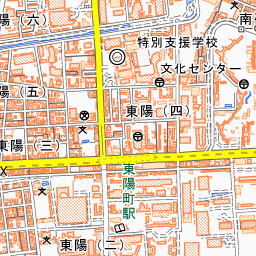
It is a 2-minute walk from Exit 1 of Monzen-nakacho Station on the Tokyo Metro Tozai Line. From Eitai-dori Avenue to the hall stretches an approximately 150-meter-long approach called "Ninjo Fukagawa Goriyaku-dori." About 40 shops line the street, selling Japanese sweets, amazake (sweet fermented rice drink), Kyoto-style pickles, and more. It is particularly lively during the temple fairs held on the 1st, 15th, and 28th of every month. Visitors can also visit Tomioka Hachimangu Shrine, located approximately 200 meters to the southeast. Walking about 800 meters north leads to Kiyosumi Gardens.
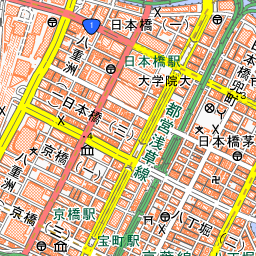
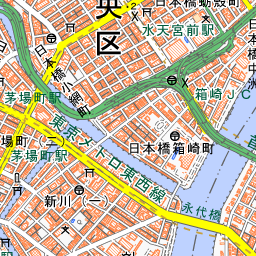
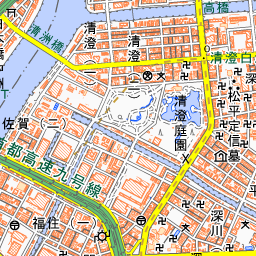
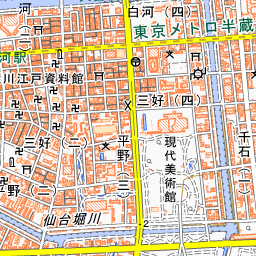
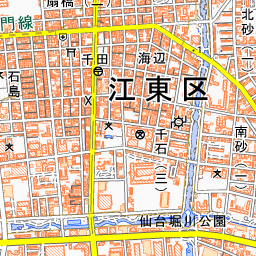

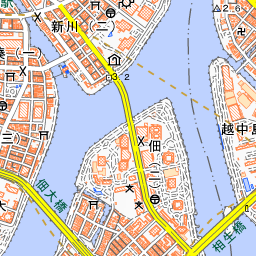
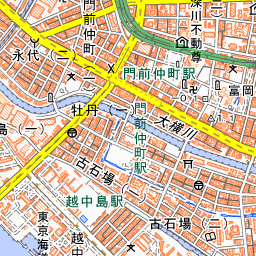
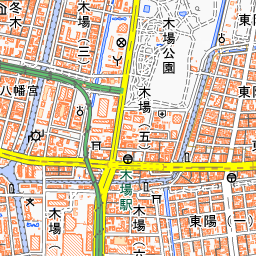
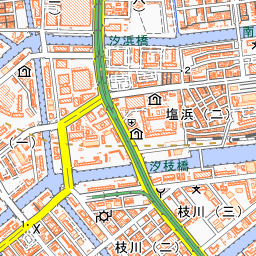
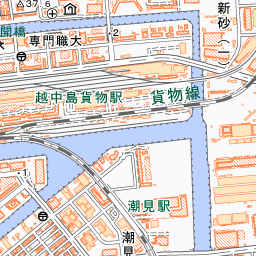
Spot location © OpenStreetMap contributors (ODbL)
Open in Google MapsGuides that include this spot (1)
Use asobot while you walk
- See where you are on the map and find spots nearby
- Listen to the guide's audio in course order, one after another (with subtitles)
- Walk to the next spot while following the map
Open on your phone
Scan to open this spot in asobot on your phone.