 ✨ AI Generated
Nariai-ji Temple
Japanese: 成相寺
Miyazu, Kyoto
This information was written by AI and may contain mistakes. Please check official sources for opening hours, fees, and other details before you go.
Found a mistake? Let us know with “✏️ Something's wrong” on this spot's screen in asobot →
🎧 Audio guide(1:06)
In short
A temple of the Hashidate Shingon sect on the mountainside of Mt. Nariai, at an elevation of approximately 350 meters, overlooking Amanohashidate, and the 28th temple of the Saigoku 33 Kannon Pilgrimage. It is said to have been founded in 704 (the first year of the Keiun era) by the priest Shinno Shonin as an imperial prayer temple for Emperor Monmu. The principal image is Sho Kannon Bodhisattva, celebrated as the "Migawari (Scapegoat) Kannon" and "Bijin (Beauty) Kannon," a hidden Buddha whose doors are opened only once every 33 years.
- The Main Hall and Temple Grounds Legends: In addition to the main hall with its gracefully curved gabled roof, there are the "Facing Dragon" (Makkou no Ryu), said to have been carved by Hidari Jingoro, the "Bottomless Pond" with a legend of a giant serpent, and the "Ichigan Hitokoto Jizo"
- The Unrung Bell (Tsukazu-no-kane): A bell that, according to legend, people stopped ringing because of a tale from the day it was cast in 1609 (Keicho 14)
- Mt. Nariai Panorama Observatory: It commands a panoramic view of not only Amanohashidate but also the whole of Wakasa Bay and Miyazu Bay, and it is said that on clear days the view extends as far as the Noto Peninsula and Mt. Hakusan
History and Highlights
Nariai-ji Temple is a temple of the Hashidate Shingon sect located on the mountainside of Mt. Nariai at an elevation of approximately 350 meters, overlooking Amanohashidate. It is the 28th temple of the Saigoku 33 Kannon Pilgrimage. Originally a site of Shugendo mountain asceticism in ancient Japan, it is said to have been founded in 704 (the first year of the Keiun era) by the priest Shinno Shonin as an imperial prayer temple for Emperor Monmu.
The principal image of worship is Sho Kannon Bodhisattva, celebrated as the "Migawari (Scapegoat) Kannon" and "Bijin (Beauty) Kannon," and is a hidden Buddha whose shrine doors are opened only once every 33 years. According to legend, a monk trapped by deep snow ran out of food and survived by eating the thigh of a deer that had collapsed outside the hall, which he later discovered was the thigh of the principal image of Kannon. From this tale, it is said that the temple was named "the temple where wishes are fulfilled" (Nariai-ji).
The temple has been destroyed and rebuilt numerous times due to wars and natural disasters. Sesshu's painting "View of Amanohashidate" depicts its appearance before it was burned down in a fire in 1507. The current main hall was rebuilt at its present location in the late 18th century. The former temple grounds were situated higher up the mountain than the current main hall and have been designated a national Historic Site as the "Former Grounds of Nariai-ji Temple."
Sights and Experience Points
- The Main Hall and Temple Grounds Legends: In addition to the main hall with its gracefully curved gabled roof, the grounds feature the "Facing Dragon" (Makkou no Ryu), said to have been carved by Hidari Jingoro, the "Bottomless Pond" with a legend of a giant serpent, and the "Ichigan Hitokoto Jizo," who is believed to grant a single wish if asked in just one word.
- The Unrung Bell (Tsukazu-no-kane): According to legend, on the day the bell was being cast in 1609 (Keicho 14), a woman watching the process accidentally dropped her baby into the molten metal. Afterward, whenever the bell was struck, the sound of a crying baby could be heard, so people stopped ringing it.
- Mt. Nariai Panorama Observatory: Continuing toward the summit from the main hall, there is an observatory that commands a panoramic view of not only Amanohashidate, but also the whole of Wakasa Bay and Miyazu Bay. It is about 7 minutes by car from the temple parking lot, and it is said that on clear days, the view extends as far as the Noto Peninsula and Mt. Hakusan.
Travel Tips
It takes about 7 minutes by mountain bus from Kasamatsu Park. It is also enjoyable to visit by taking a cable car and then transferring to the mountain bus while viewing Amanohashidate. By car, it is about 20 minutes from the Yosa-Amanohashidate Interchange; however, because car navigation systems set directly for Nariai-ji Temple often route drivers onto closed forestry roads, the temple recommends setting the destination to the Kyoto Prefectural Tango Regional Museum. From there, it is a single direct road. As the temple is the northernmost of the Saigoku pilgrimage temples, snow accumulates near it in winter even when there is none on the national highway, so those not accustomed to driving on snowy roads should refrain from driving up in winter. The temple is known for its cherry blossoms and rhododendrons in spring and autumn foliage, and during the autumn leaf season, special night illuminations are held for a limited time.
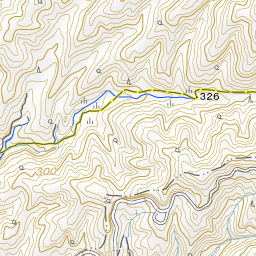
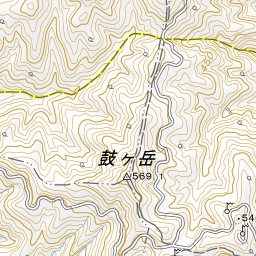
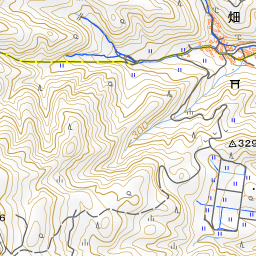
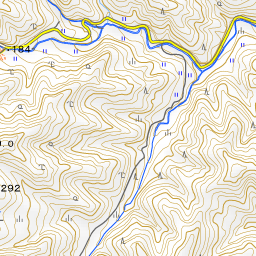
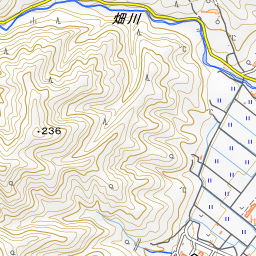
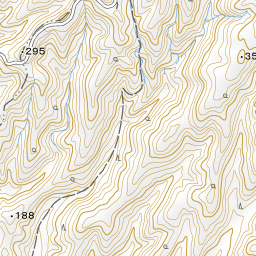
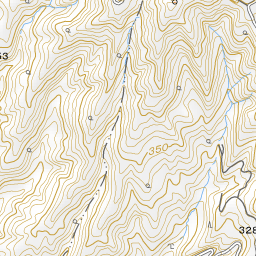
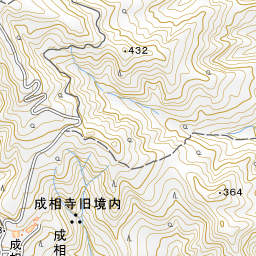
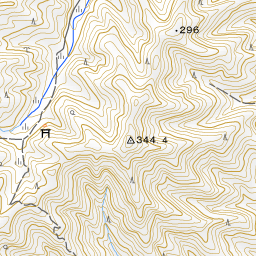
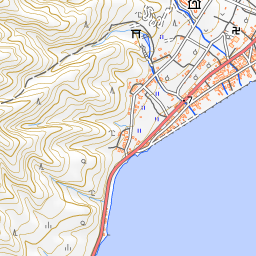
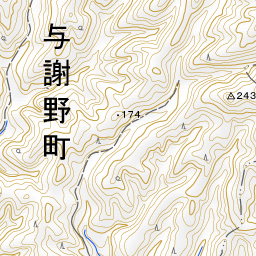
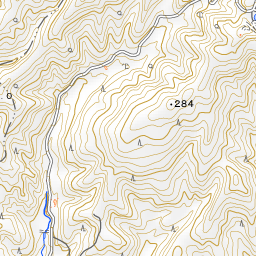
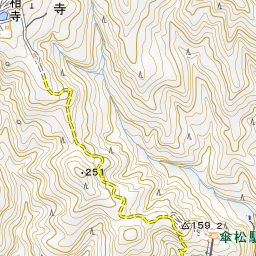
Spot location © OpenStreetMap contributors (ODbL)
Open in Google MapsUse asobot while you walk
- See where you are on the map and find spots nearby
- Listen to the guide's audio in course order, one after another (with subtitles)
- Walk to the next spot while following the map
Open on your phone
Scan to open this spot in asobot on your phone.