 ✨ AI Generated
Koenji
Japanese: 高円寺
Suginami City, Tokyo
This information was written by AI and may contain mistakes. Please check official sources for opening hours, fees, and other details before you go.
Found a mistake? Let us know with “✏️ Something's wrong” on this spot's screen in asobot →
🎧 Audio guide(0:57)
In short
Shukuhozan Koenji is a Soto Zen temple located in Koenjiminami, Suginami Ward. Founded in 1555 (the first year of the Koji era), it is the origin of the name "Koenji" for both the surrounding town and the train station. The temple gained widespread recognition after receiving the patronage of the third Tokugawa shogun, Tokugawa Iemitsu.
- Origin of the Place Name: Tokugawa Iemitsu is said to have ordered the village formerly known as Ozawa Village to be renamed Koenji Village after the temple. That name later became the station name as well.
- Gotenyama: The name of the hill behind the main hall is said to derive from the site of a tea arbor where Tokugawa Iemitsu stopped and rested during a falconry outing.
- Main Hall and Principal Image: The current main hall was rebuilt in 1954 (Showa 29). The principal image is a standing statue of Sho Kannon Bosatsu (Aryavalokiteshvara) crafted by sculptor Miki Sosaku, and a seated statue of Amida Nyorai, said to date from the Muromachi period, is also enshrined here.
History and Highlights
Shukuhozan Koenji is a Soto Zen temple located in Koenjiminami, Suginami Ward. While it shares its name with the town and station, "Koenji" was originally the name of this temple. The local place name Koenji derives from it.
In 1555 (the first year of the Koji era), the temple was founded by Kenshitsu Sosei, the third-generation abbot of Jogan-ji Temple in Nakano. Because the surrounding area once had many peach trees, it was called "Momozono" (peach garden). The principal image was called the Momozono Kannon and the hall was known as the Momo-do (peach hall), but they were destroyed by a fire in 1847 (the fourth year of the Koka era).
The temple came to be widely known during the tenure of the fifth-generation abbot, Kogaku Ekido, as he gained the patronage of the third shogun, Tokugawa Iemitsu. Tokugawa Iemitsu is also said to have changed the name of what was then called Ozawa Village to Koenji Village after the temple. Since then, the name "Koenji" has continued to this day, also being used as a station name.
From the Kanpo era through 1945 (Showa 20), the temple suffered repeated fires. Along with the halls, many of its records were burned. The current main hall was rebuilt in 1954 (Showa 29).
Highlights for Viewing and Experiencing
- Main Hall and Principal Image: The current principal image is a standing statue of Sho Kannon Bosatsu crafted by sculptor Miki Sosaku. A seated statue of Amida Nyorai, said to be a work from the Muromachi period, is also enshrined.
- Gotenyama: The hill behind the main hall is called "Gotenyama." It is said to originate from the site of a tea arbor where Tokugawa Iemitsu rested after stopping by this temple during a falconry outing.
- Connection with Koenji Hikawa-jinja Shrine: Nearby Koenji Hikawa-jinja Shrine was one of the tutelary shrines of Koenji Village during the Edo period. It is known that this temple served as its betto (managing temple). It is also passed down that Hikawa-jinja Shrine was founded around the same time as this temple.
Walking Tips
After making your visit, take a look behind the main hall. The elevated "Gotenyama" is said to be the site of the tea arbor where Tokugawa Iemitsu rested.
Koenji Hikawa-jinja Shrine is located about 170 meters to the northwest. Within the shrine grounds is the Kisho-jinja Shrine (Weather Shrine). The shrine is a 2-minute walk from Koenji Station. Visiting the temple and shrine in succession allows you to trace the historic ties of old Koenji Village. About 1.2 kilometers to the south stands Horinouchi Myoho-ji Temple.
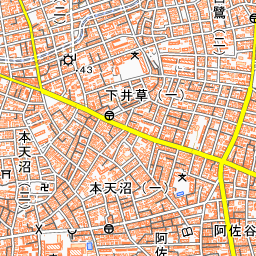
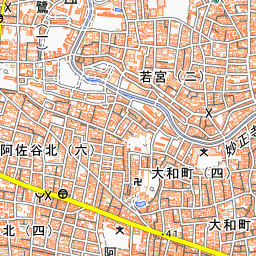
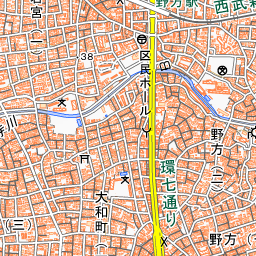
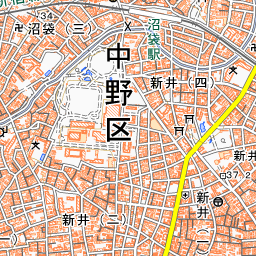
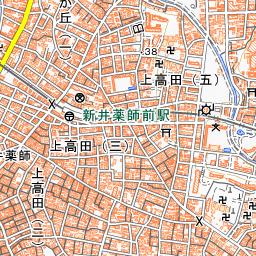
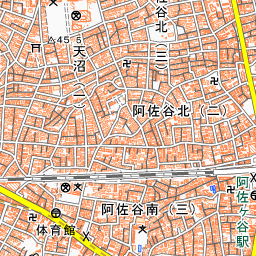
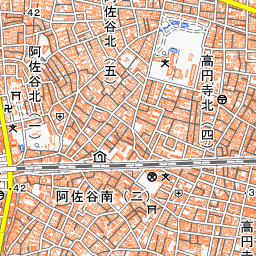
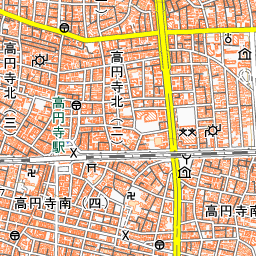
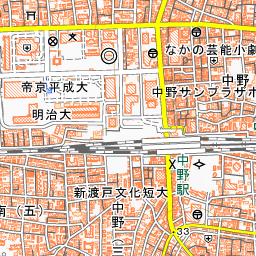
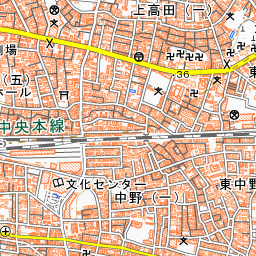
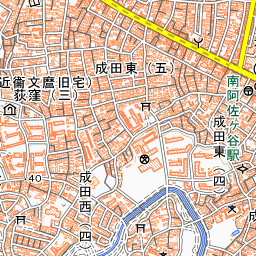
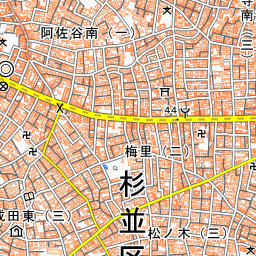
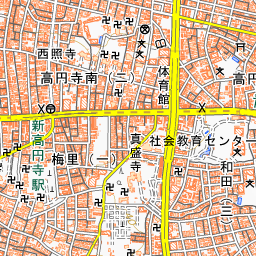
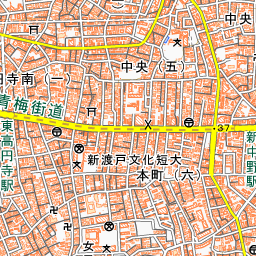
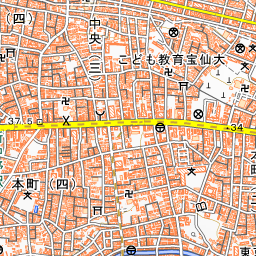
Spot location © OpenStreetMap contributors (ODbL)
Open in Google MapsGuides that include this spot (1)
Use asobot while you walk
- See where you are on the map and find spots nearby
- Listen to the guide's audio in course order, one after another (with subtitles)
- Walk to the next spot while following the map
Open on your phone
Scan to open this spot in asobot on your phone.