 ✨ AI Generated
Tondabayashi Jinaimachi
Japanese: 富田林寺内町
Tondabayashi, Osaka
This information was written by AI and may contain mistakes. Please check official sources for opening hours, fees, and other details before you go.
Found a mistake? Let us know with “✏️ Something's wrong” on this spot's screen in asobot →
🎧 Audio guide(1:13)
In short
An autonomous religious town that developed around the Kosho-ji Betsuin branch temple in the mid-16th century, near the end of the Muromachi period. The "roku-suji, nana-cho" (six avenues and seven blocks) layout from the time of its founding and stately machiya merchant houses recalling its prosperous days still remain, and in 1997 (Heisei 9), it was selected as Osaka Prefecture's only national Important Preservation District for Groups of Traditional Buildings.
- Jonomon-suji Street: A 400-meter-long main street selected as one of the 100 Selected Roads of Japan. In the townscape with its remaining white plaster walls and mushikomado lattice windows, there are still residences, eateries, and general stores, and daily life lives on
- Atemage: Streets deliberately offset by about half a ken, said to have been designed to block the view and keep a large army from invading
- Former Sugiyama Family Residence: The residence of the Sugiyama family, who prospered as sake brewers from 1685 and served as head elder of the Tondabayashi Hachinin-shu, and a national Important Cultural Property. It is open to the public as a municipal facility, and visitors can tour the interior
History and Highlights
Tondabayashi Jinaimachi is an autonomous religious town that developed around the Kosho-ji Betsuin branch temple in the mid-16th century, near the end of the Muromachi period. It was founded in the early Eiroku era (1558–1570) by the priest Shoshu Shonin of Kosho-ji Temple in Kyoto. The town's administration is said to have been conducted through discussions among influential figures known as the Tondabayashi Hachinin-shu (Council of Eight).
The town is bordered on the south by an earthen bank formed by river terraces along the Ishikawa River and on the north by a moat, and the "roku-suji, nana-cho" (six avenues and seven blocks) layout established at its founding still remains today. From the 17th century, the town's religious character gradually diminished, and it developed into a thriving commercial country town (zaigomachi) where agricultural produce from surrounding villages gathered. Even now, stately machiya merchant houses recalling its prosperous days form a historic townscape.
In 1997, it was designated as Osaka Prefecture's only national Important Preservation District for Groups of Traditional Buildings, and the designated area was expanded with an additional selection in 2018. At the center of the town, the main hall, the taimenjo (meeting hall), and other buildings of the Tondabayashi Kosho-ji Betsuin were designated as national Important Cultural Properties in 2014.
Highlights and Activities
- Strolling along Jonomon-suji Street: The main street of the town, Jonomon-suji Street, is a 400-meter-long road selected as one of the 100 Selected Roads of Japan. It runs alongside the bell tower of Kosho-ji Betsuin and intersects with the Higashi-Koya Kaido. In the streetscape featuring preserved white plaster walls and mushikomado (insect-cage style lattice windows), residences, eateries, and general stores continue to operate, with daily life remaining vibrant today.
- **Atemage (Deliberately Misaligned Streets)**: The atemage, in which street alignments are intentionally offset by about half a ken (approx. 90 cm), are said to have been designed to reduce visibility and prevent large enemy forces from invading. While walking through the town, pay attention to the way the streets are offset.
- Visiting the Former Sugiyama Family Residence: The Sugiyama family prospered as sake brewers from 1685 and served as head elders among the Tondabayashi Hachinin-shu. Designated as a national Important Cultural Property in 1983, the residence is now open to the public as a municipal facility, allowing visitors to tour the interior.
Strolling Tips
It is about a 10-minute walk from either Kintetsu Tondabayashi Station or Tondabayashi-nishiguchi Station. The train ride from Tondabayashi Station to Osaka-Abenobashi Station takes about 30 minutes. Within the town, there are the municipal Jinaimachi Center, the Jinaimachi Koryukan visitor center, and the Jinaimachi Observation Square, which offer clues for understanding the history of the jinaimachi as well as places to rest. Seasonal events are also held, including the Spring Hina Doll Tour and the summer Jinaimachi Toro lantern festival.


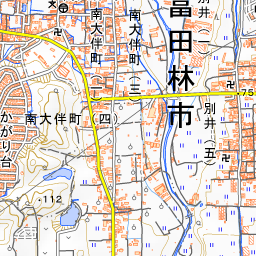
Spot location © OpenStreetMap contributors (ODbL)
Open in Google MapsGuides that include this spot (1)
Use asobot while you walk
- See where you are on the map and find spots nearby
- Listen to the guide's audio in course order, one after another (with subtitles)
- Walk to the next spot while following the map
Open on your phone
Scan to open this spot in asobot on your phone.