 ✨ AI Generated
Kyu-Shiba-rikyu Gardens
Japanese: 旧芝離宮恩賜庭園
Minato City, Tokyo
This information was written by AI and may contain mistakes. Please check official sources for opening hours, fees, and other details before you go.
Found a mistake? Let us know with “✏️ Something's wrong” on this spot's screen in asobot →
🎧 Audio guide(1:06)
In short
Along with Koishikawa Korakuen Gardens, Kyu-Shiba-rikyu Gardens is one of the early Edo-period daimyo (feudal lord) gardens surviving in modern Tokyo. It is a stroll-style pond garden centered around a pond that was once a "shioiri-no-ike" (tidal pond) fed by seawater. Originally the garden of an estate granted to the roju (senior councilor) Okubo Tadatomo, it was called "Rakuju-en." It is designated as a National Place of Scenic Beauty.
- Pond and Islands: Featuring Nakajima (central island) and Ukishima (floating island), the pond was designed to evoke the sea and lakes. It now contains freshwater.
- Seiko-no-tsutsumi (Seiko Embankment): A stone embankment modeled after the Su Causeway of West Lake in Hangzhou, China.
- Nebukawa Stone Rock Arrangements: Large quantities of Nebukawa stone were brought from Odawara, the domain of the Okubo family, and used for rock arrangements and stepping stones.
History and Highlights
This area was reclaimed from the sea around the Meireki era. In 1678 (Enpo 6), the roju Okubo Tadatomo was granted this land by the 4th shogun, Tokugawa Ietsuna. It is said that when building his residence, Tadatomo brought gardeners from his domain of Odawara to create the garden. The garden was named "Rakuju-en."
After passing through several owners, it became the Shiba residence of the Kishu Tokugawa family toward the end of the Edo period. In 1871 (Meiji 4), it came into the possession of the Prince Arisugawa family. The Imperial Household Ministry purchased it in 1875 (Meiji 8), and the following year (Meiji 9), it became the Shiba Detached Palace. During its time as an imperial detached palace, it served as a venue to entertain the Emperor and foreign dignitaries. The buildings and trees suffered extensive damage during the Great Kanto Earthquake of 1923 (Taisho 12). In January of the following year, the grounds were bestowed to the City of Tokyo to commemorate the marriage of the Crown Prince (later Emperor Showa). Following restoration and maintenance, the garden opened to the public in April of that same year. In 1979 (Showa 54), it was designated as a National Place of Scenic Beauty.
The centerpiece of the garden is its pond. Arranged with Nakajima and Ukishima, the pond evokes the sea and lakes. In the past, it was a tidal pond that drew in seawater. It is said that visitors could walk from Nakajima to Ukishima at low tide, and the scenery of the sandbars and islands changed dramatically with the ebb and flow of the tide. Due to land reclamation on the bay side, seawater could no longer be drawn in, and the pond is now freshwater.
Viewing and Experience Highlights
- Seiko Embankment and Nakajima: The Seiko Embankment is a stone causeway modeled after the Su Causeway of West Lake in Hangzhou, China. The rock arrangement on Nakajima, located beyond the embankment, represents "Mount Penglai" (Horaisan), where immortals are said to dwell.
- Nebukawa Stone Rock Arrangements and Stepping Stones: Many Nebukawa stones were transported from Odawara, the domain of the Okubo family, and used in rock formations and stepping stones. Crossing a Nebukawa stone bridge shaped like a sea bream leads to a magnificent artificial hill on the right. At its foot, stepping stones of Nebukawa stone are neatly laid out.
- Karetaki (Dry Waterfall) and Oyama: The karetaki is a dry rock formation evoking a waterfall tumbling down a mountain ravine, situated along the middle of the pond's western edge. The artificial hill Oyama is the highest point within the garden, offering pleasant views from the top.
Walking Tips
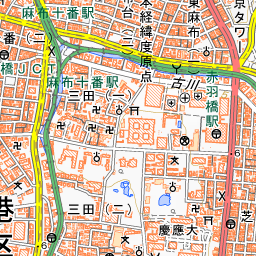
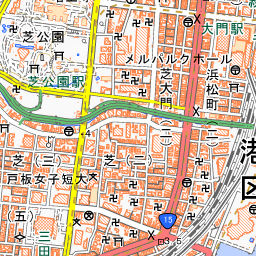
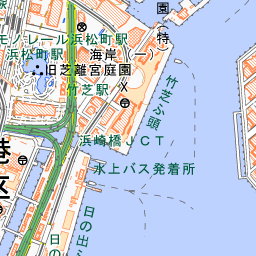
The garden is a 1-minute walk from the North Exit of JR Hamamatsucho Station and a 3-minute walk from Daimon Station on the Toei Subway. Stepping inside through the entrance reveals an open view overlooking the entire pond. The garden is surrounded by mid- to high-rise buildings, mainly offices. The wisteria trellis near the entrance bears large clusters of purple flowers around early May. Be sure to look for the stone pillar in the garden as well. It was brought from the gate of the former residence of the Sengoku-period samurai Matsuda Norihide, and is presumed to have been used as a pillar for a teahouse when the 5th shogun, Tokugawa Tsunayoshi, was invited. Hama-rikyu Gardens is located about 750 meters to the northeast, and Zojo-ji Temple is about 970 meters to the west.
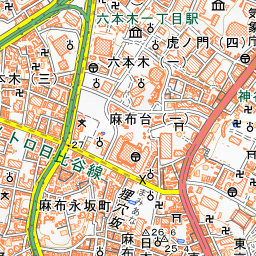
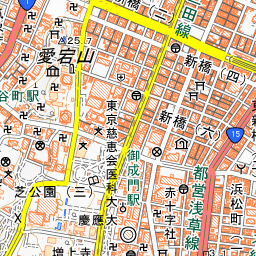


Spot location © OpenStreetMap contributors (ODbL)
Open in Google MapsGuides that include this spot (1)
Use asobot while you walk
- See where you are on the map and find spots nearby
- Listen to the guide's audio in course order, one after another (with subtitles)
- Walk to the next spot while following the map
Open on your phone
Scan to open this spot in asobot on your phone.