
Maizuru Repatriation Memorial Museum
Japanese: 舞鶴引揚記念館
Maizuru, Kyoto
This information was written by AI and may contain mistakes. Please check official sources for opening hours, fees, and other details before you go.
Found a mistake? Let us know with “✏️ Something's wrong” on this spot's screen in asobot →
🎧 Audio guide(1:09)
In short
A facility that conveys the history of repatriation and Siberian internment to future generations, while widely disseminating the preciousness of peace. Over the 13 years from 1945 to 1958, Maizuru welcomed approximately 660,000 repatriates and demobilized soldiers, and from 1950 onward it was the sole port receiving repatriates. The museum opened in April 1988, and of the materials donated from all over Japan, 570 items were registered as a UNESCO Memory of the World in 2015.
- White Birch Diary: A diary kept during internment in Siberia, recording the days of internment through waka poetry, using white birch bark instead of paper, a pen fashioned from an empty tin can, and ink made from chimney soot
- Materials Conveying Internment and Return: Along with a handmade notebook brought back hidden inside a shoe, and a letter written to her son by Hashino Ise, who served as the model for "Ganpeki no Haha" (Mother of the Wharf), there is also the "Internment Life Experience Room," which recreates the harsh living conditions of the labor camps in Siberia
- Storyteller Guides: Two storytellers are stationed in the museum at all times to guide visitors through the exhibits upon request
History and Highlights
The Maizuru Repatriation Memorial Museum is a facility that conveys the history of post-war repatriation and Siberian internment to future generations, while widely disseminating the preciousness of peace. At the end of World War II, approximately 6.6 million Japanese people were left behind across many countries and regions, including former Manchuria and the Korean Peninsula. The "repatriation" process to bring these individuals back to Japan began, and Maizuru became a port that primarily welcomed repatriates and demobilized soldiers from former Manchuria, the Korean Peninsula, and Siberia.
From the arrival of the first repatriation ship, the Unzen Maru, on October 7, 1945, to the final repatriation ship, the Hakusan Maru, on September 7, 1958, Maizuru welcomed approximately 660,000 repatriates and demobilized soldiers over a span of 13 years. After other repatriation ports closed, Maizuru became the sole port receiving repatriates from 1950 onward.
Supported by witnesses and related individuals from across the country as well as the citizens of Maizuru City, the museum opened in April 1988. The materials donated from all over Japan number approximately 16,000 items. Among them, 570 items were registered as a UNESCO Memory of the World on October 10, 2015, under the title "Return to Maizuru Port: Documents Related to the Internment and Repatriation Experiences of Japanese (1945–1956)."
Highlights of the Exhibition and Experience
- White Birch Diary: This diary was kept during internment in Siberia, using white birch bark instead of paper, a pen fashioned from an empty tin can, and ink made from chimney soot to record days of internment through waka poetry. It was written by Seno Osamu, a native of Maizuru City, and contains approximately 200 waka and haiku poems.
- Materials Conveying Internment and Return: The collection includes materials that convey the thoughts of the internees and the families awaiting their return, such as a handmade notebook brought back hidden inside a shoe to avoid confiscation, and a letter written to her son by Hashino Ise, who served as the model for the song "Ganpeki no Haha" (Mother of the Wharf). There is also the "Internment Life Experience Room," which recreates the harsh living conditions of the labor camps in Siberia.
- Storyteller Guides: Two storytellers are stationed in the museum at all times to guide visitors through the exhibits upon request. Feel free to speak to them during your visit.
Tips for Walking Around
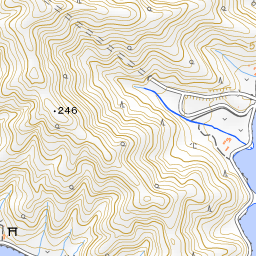
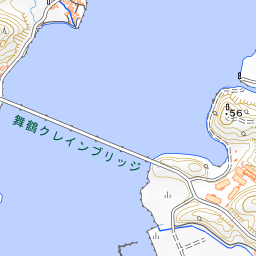
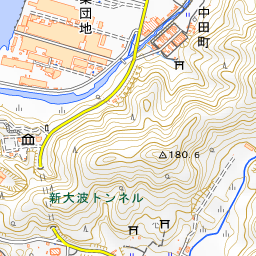
The museum exhibits can be viewed in about 30 to 40 minutes. The museum is located inside the Repatriation Memorial Park on a hill overlooking Maizuru Bay. More than 100 double-flowered cherry trees (yaezakura) planted by veterans' associations and other groups grow in the park. A round-trip walk to the observation deck takes about 15 minutes. About 2 to 3 minutes by car from the museum is the Repatriation Pier, which was reconstructed in the Taira area in 1994. To access the museum, take a local bus from in front of JR Higashi-Maizuru Station for about 20 minutes and get off at "Hikiage Kinenkan-mae." About 1.2 kilometers to the west stands the Maizuru Crane Bridge, and about 10 minutes away by car is the Red Brick Museum.
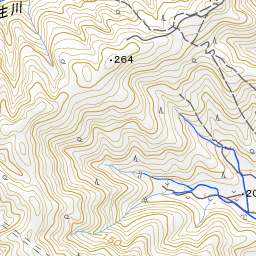
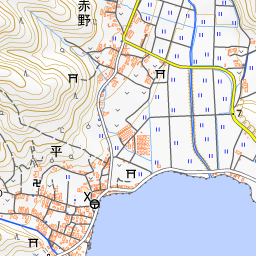
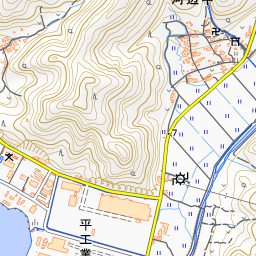
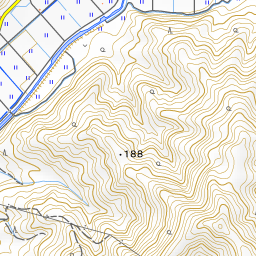

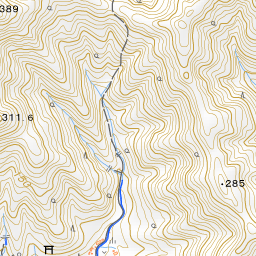
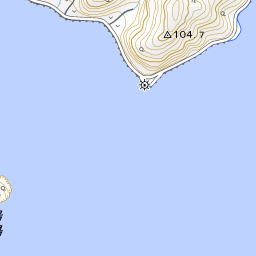
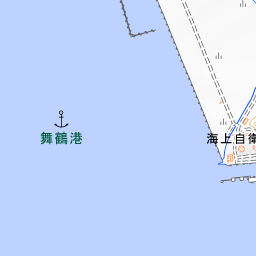
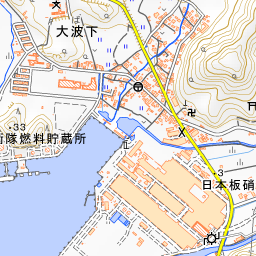
Spot location © OpenStreetMap contributors (ODbL)
Open in Google MapsGuides that include this spot (1)
Use asobot while you walk
- See where you are on the map and find spots nearby
- Listen to the guide's audio in course order, one after another (with subtitles)
- Walk to the next spot while following the map
Open on your phone
Scan to open this spot in asobot on your phone.