 ✨ AI Generated
Hahajima Island
Japanese: 母島
Ogasawara Village, Tokyo
This information was written by AI and may contain mistakes. Please check official sources for opening hours, fees, and other details before you go.
Found a mistake? Let us know with “✏️ Something's wrong” on this spot's screen in asobot →
🎧 Audio guide(1:06)
In short
Hahajima Island is located about 50 kilometers south of Chichijima Island and takes about two hours one way aboard the "Hahajima-maru" ferry. It is one of only two inhabited islands in the Ogasawara Archipelago and is home to many endemic species and natural monuments, including the Bonin white-eye. Tall forests stretch across mountains that are frequently wrapped in clouds, and coral reefs surround the island.
- Bonin White-eye (Hahajima Meguro): A Special Natural Monument bird found only in the Hahajima island group; it can even be spotted within the village.
- Samegasaki Observatory: Offers views across the ocean and harbor from the entrance of Oki Port, as well as breathtaking sunsets.
- Minamizaki and Mt. Kofuji: At the island's southern tip, you will find Minamizaki with its sprawling coral reefs and Mt. Kofuji, the southernmost "furusato Fuji" in Japan.
History and Highlights
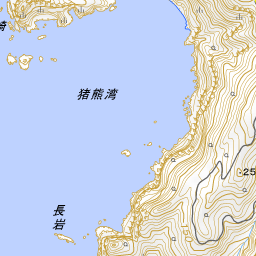
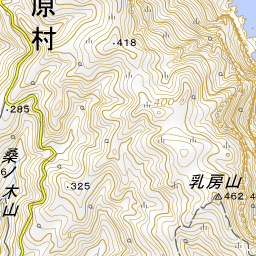
Hahajima Island is an island situated in the sea about 50 kilometers south of Chichijima Island. As one of the two inhabited islands in the Ogasawara Archipelago, it has an area of roughly 20 square kilometers—nearly the same size as Tokyo's Minato Ward. The island stretches long and narrow from north to south around Mt. Chibusa, which rises to 463 meters, and most of its coastline consists of steep cliffs. There is only one settlement, clustered around Oki Port where the ferry docks.
The Hahajima island group was formed by volcanic activity around 44 million years ago. Hahajima Island has a high elevation and high humidity. Atop the mountains that are often enveloped in clouds, tall forests known as "moist tall-tree forests" extend across the terrain, nurturing numerous endemic plants and animals. Land snails, which served as a crucial factor in the area's World Natural Heritage inscription, have largely gone extinct on Chichijima Island, but they can still be observed today on Hahajima Island around Mt. Chibusa and Sekimon.
From the Taisho period into the early Showa period, the Ogasawara Islands thrived on agriculture and fishing, and about 2,000 people once lived on Hahajima Island. In 1944, worsening wartime conditions led to the compulsory evacuation of the islanders. Because Hahajima Island remained uninhabited until its return to Japanese sovereignty in 1968, the entire island had transformed into dense jungle by the time the residents returned.
A story associated with Hahajima Island also remains tied to the local Ogasawara specialty called "shimazushi." This is a type of nigirizushi featuring white-fleshed fish marinated in soy sauce and sweet mirin; it is said that in the days before refrigerators, an elderly woman on Hahajima Island devised this preparation method for preservation, after which it spread widely. Mustard is served instead of wasabi because wasabi was unavailable on the island at the time.
Highlights & Things to Do
- Bonin White-eye (Hahajima Meguro): A Special Natural Monument bird found exclusively in the Hahajima island group. Designated as the official bird of Ogasawara Village, it is slightly larger than a Japanese white-eye and features distinctive black triangular markings around its eyes, true to its Japanese name. It can be seen even inside the settlement.
- Samegasaki Observatory: Located at the entrance to Oki Port, the Samegasaki Observatory commands a panoramic view of the ocean and the port. The Hahajima-maru passes directly before your eyes. The sunsets viewed from here are breathtaking, and in winter it is also a well-suited spot for whale watching.
- Minamizaki and Mt. Kofuji: Near Mt. Kofuji at the island's southern end lies the Minamizaki shore. Broad coral reefs spread out here, making it ideal for snorkeling. Mt. Kofuji is the southernmost "furusato Fuji" in Japan, and from its summit you can look down over the coral reefs of Minamizaki.
Travel Tips
The only means of transportation to Hahajima Island is the "Hahajima-maru" departing from Chichijima Island, which takes around two hours each way. Mt. Chibusa, the highest peak on the island, can be climbed along a walking trail. In contrast, entering Sekimon and Mt. Sakaigatake requires the accompaniment of a certified guide. At trailheads such as Mt. Chibusa and Minamizaki, spray bottles are placed for cleaning the soles of your shoes. Be sure to use them when entering and exiting the trails to remove plant seeds clinging to your shoe soles and clothing.


Guides that include this spot (1)
Use asobot while you walk
- See where you are on the map and find spots nearby
- Listen to the guide's audio in course order, one after another (with subtitles)
- Walk to the next spot while following the map
Open on your phone
Scan to open this spot in asobot on your phone.