 ✨ AI Generated
Hannya-ji Temple
Japanese: 般若寺
Nara City, Nara
This information was written by AI and may contain mistakes. Please check official sources for opening hours, fees, and other details before you go.
Found a mistake? Let us know with “✏️ Something's wrong” on this spot's screen in asobot →
🎧 Audio guide(1:11)
In short
Hannya-ji Temple is a temple of the Shingon Ritsu sect located along the Kyo Kaido road in Narazaka, with Monju Bosatsu as its principal image. Its Kamakura period Romon gate is a National Treasure, and directly behind it stands a thirteen-story stone pagoda approximately 14.2 meters high. Famously known as the "Cosmos Temple," it is also renowned for the seasonal flowers that bloom around its stone Buddhas.
- National Treasure Romon Gate: A gate featuring an elegant Kamakura period architectural style, facing the Kyo Kaido road running west of the temple.
- Thirteen-Story Stone Pagoda: An Important Cultural Property standing directly behind the Romon gate, completed around 1253.
- Temple of Flowers: Spring Japanese kerria (yamabuki), early summer hydrangeas, and cosmos in early summer and autumn adorn the stone Buddhas on the grounds.
History and Highlights
Hannya-ji Temple is a temple of the Shingon Ritsu sect situated facing the Kyo Kaido road in Narazaka. Its mountain name (sango) is Hosshozan, and its principal image is Monju Bosatsu, affectionately called "Monju-san."
There are various theories regarding its founding. According to temple tradition, it was founded during the Asuka period by the monk Ekan from Goguryeo. It is handed down that in 735, during the reign of Emperor Shomu, temple halls and a pagoda were built to protect the demon gate (unlucky direction) of Heijo-kyo, and the temple's name originated from enshrining the Dai Hannya-kyo (Great Prajnaparamita Sutra) in the pagoda's base. Ancient roof tiles have been excavated from the grounds, suggesting that it already existed in the Nara period.
Because it was located on a vital route connecting Kyoto and Nara, the temple complex was burned down during the Siege of Nara by the Taira clan. Entering the Kamakura period, Ryoe, a monk of Todai-ji Temple, planned the construction of the thirteen-story stone pagoda, which was completed around 1253. Subsequently, Eison of Saidai-ji Temple restored the temple with Monju Bosatsu as its principal image, and the temple became a center for activities to aid the sick and needy.
In 1567, it became the site of the Battle of Miyoshi and Matsunaga and was burned down once again. The current main hall is the Monju-do, rebuilt in 1667.
During dismantling and repair work in 1964, items such as a bronze standing statue of Nyorai from the Nara period and a crystal gorinto (five-ring pagoda) from the Kamakura period were discovered inside the thirteen-story stone pagoda.
Points for Appreciation and Experience
- Romon Gate: A two-story gate measuring one bay wide with a single entrance (ikken-ikko), featuring an irimoya (hip-and-gable) roof with hongawarabuki (traditional tile roofing). Designated as a National Treasure for its graceful Kamakura period style, it is believed to date from around 1264 to 1274. Since it faces the Kyo Kaido road passing west of the temple, it is recommended to first view it from the road.
- Thirteen-Story Stone Pagoda and Kasatoba: The thirteen-story stone pagoda standing directly behind the Romon gate is an Important Cultural Property with a height of about 14.2 meters. Within the grounds also stand two stone kasatoba (stone stupas with umbrella-like caps) erected by the Song craftsman Yi Xingji (伊行吉), which are also Important Cultural Properties.
- Principal Image: Statue of Monju Bosatsu Riding a Lion: An Important Cultural Property depicting Monju Bosatsu mounted on a lion. It was created in 1324 by the Buddhist sculptors Koshun and Kosei as a prayer for the direct imperial rule of Emperor Go-Daigo.
Walking Tips
Take a bus from JR Nara Station or Kintetsu-Nara Station, get off at "Hannyaji," and walk for about 5 minutes.
Hannya-ji Temple is famous as the "Cosmos Temple," where visitors can enjoy flowers adorning the stone Buddhas. Japanese kerria blooms from around mid-April, and hydrangeas bloom from late May to around late June. Early-blooming cosmos generally appear starting in June, and autumn-blooming cosmos from September, though flowering times vary.
Shosoin is located about 960 meters to the south, and Todai-ji Temple is about 1.4 kilometers away, allowing you to easily extend your visit northwards from Todai-ji Temple.


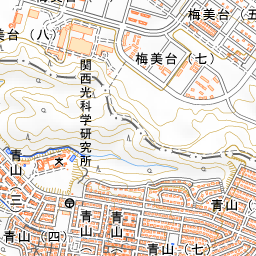


Spot location © OpenStreetMap contributors (ODbL)
Open in Google MapsGuides that include this spot (1)
Use asobot while you walk
- See where you are on the map and find spots nearby
- Listen to the guide's audio in course order, one after another (with subtitles)
- Walk to the next spot while following the map
Open on your phone
Scan to open this spot in asobot on your phone.