 ✨ AI Generated
Kosanji Temple
Japanese: 耕三寺
Onomichi, Hiroshima
This information was written by AI and may contain mistakes. Please check official sources for opening hours, fees, and other details before you go.
Found a mistake? Let us know with “✏️ Something's wrong” on this spot's screen in asobot →
🎧 Audio guide(1:09)
In short
Kosanji Temple is a temple of the Jodo Shinshu Hongwanji-ha school located in Setoda on Ikuchijima Island. The businessman Kosanji Kozo built it out of gratitude and devotion to his mother, and it is also known as the "Mother's Temple." The entire precinct is open to the public as the "Kosanji Museum."
- Halls and Pagodas Modeled After Renowned Architecture: The Koyomon Gate was modeled after the Yomeimon Gate of Nikko Toshogu Shrine and the Main Hall after the Phoenix Hall of Byodoin in Uji, and owing to their splendid appearance, the temple is also called the "Nikko of the West." Fifteen of the halls and pagodas are registered as national Registered Tangible Cultural Properties
- Senbutsudo Jigokukyo: An artificial cavern approximately 350 meters long, where scenes depicting the hell realms follow one after another, and deep inside, one thousand stone Buddhist statues are enshrined
- Hill of Hope (Miraishin-no-Oka): A white marble garden at the highest point of the grounds, which can be viewed with the Kosanji Museum admission ticket
History and Highlights
Choseizan Kosanji Temple is a temple of the Jodo Shinshu Hongwanji-ha school located in Setoda on Ikuchijima Island. It was founded by Kosanji Kozo, a businessman who operated a steel pipe manufacturing company in Osaka, out of gratitude and devotion to his mother, and it is also known as the "Mother's Temple."
Its beginnings date back to 1927, when Kozo began building "Choseikaku," a villa in Setoda for his mother. After his mother passed away in 1934, Kozo entered the Buddhist priesthood the following year and vowed to construct the temple. Over the course of more than 30 years starting in 1936, the temple halls and pagodas were constructed within the grounds. Modeled after Japan's representative historic architectural works, 15 of these structures are registered as national Registered Tangible Cultural Properties.
A major feature of the temple is that the entire precinct is open to the public as the Kosanji Museum. Buddhist art and tea ceremony artifacts collected by Kosanji Kozo are on display, presenting the entire temple as a museum in a style that is rare in Japan.
Points for Appreciation and Experience
- Halls and Pagodas Modeled After Renowned Architecture: The Koyomon Gate, modeled after the Yomeimon Gate of Nikko Toshogu Shrine, took 10 years to complete starting in 1953, and its carvings and colorings are said to be even more ornate than its model. The Main Hall was modeled after the Phoenix Hall of Byodoin in Uji, and the five-story pagoda was modeled after the pagoda at Muro-ji Temple in Nara; owing to their splendid appearance, the temple is also called the "Nikko of the West."
- Senbutsudo Jigokukyo: An artificial cavern located near the Main Hall, approximately 350 meters long and 15 meters underground. Excavation began in 1955, and it was completed in 1964. Scenes depicting the hell realms follow one after another, and deep inside, one thousand stone Buddhist statues are enshrined alongside flowing waterfalls.
- Hill of Hope (Miraishin-no-Oka): At the highest point of the grounds lies the Hill of Hope (Miraishin-no-Oka), a white marble garden evocative of a Mediterranean landscape, which can be viewed with the Kosanji Museum admission ticket. Information on the garden is provided in the "Hill of Hope (Miraishin-no-Oka)" entry.
Walking Tips
The grounds are divided into three levels: lower, middle, and upper; walking up gradually from the bottom leads finally to the Hill of Hope (Miraishin-no-Oka). Seasonal flowers adorn the richly colored halls and pagodas throughout the year—cherry blossoms and azaleas in spring, lotuses in summer, and autumn foliage in fall. Situated at the end of the Shiomachi Shopping Street extending from Setoda Port, a visit here can be enjoyed as part of a stroll through Setoda together with nearby Kojo-ji Temple and the Hirayama Ikuo Museum of Art.
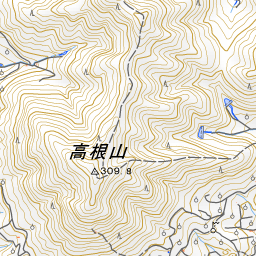


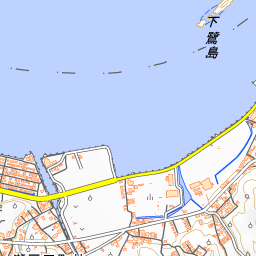


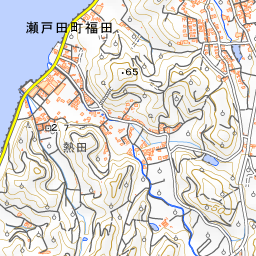
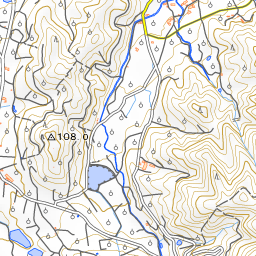
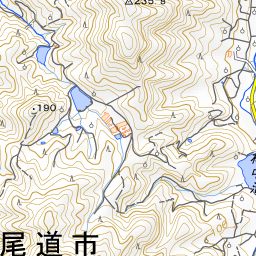
Spot location © OpenStreetMap contributors (ODbL)
Open in Google MapsGuides that include this spot (2)
Use asobot while you walk
- See where you are on the map and find spots nearby
- Listen to the guide's audio in course order, one after another (with subtitles)
- Walk to the next spot while following the map
Open on your phone
Scan to open this spot in asobot on your phone.