 ✨ AI Generated
Mt. Iimori
Japanese: 飯盛山
Daito, Osaka
This information was written by AI and may contain mistakes. Please check official sources for opening hours, fees, and other details before you go.
Found a mistake? Let us know with “✏️ Something's wrong” on this spot's screen in asobot →
🎧 Audio guide(1:13)
In short
The ruins of a Sengoku-period mountain castle built across the summit area of Mt. Iimori, which stands about 314 meters high and spans Daito City and Shijonawate City. In 1560 (Eiroku 3), Miyoshi Nagayoshi moved his base to this castle, governing the Gokinai (five provinces of the capital region) and the Shikoku region, and directing the politics of the Muromachi shogunate. On October 11, 2021 (Reiwa 3), it was designated a National Historic Site as the "Iimori Castle Ruins."
- Stone Walls Preceding Azuchi Castle: Stone walls built by stacking stones almost vertically are used in many of its enclosures. Below the eastern side of the main enclosure, an impressive stone wall 1.3 meters high and 20 meters long remains along the hiking trail
- Enclosures, Dry Moats, and Earthen Bridges: In the dry moat between the Senjojiki Enclosure and the Takayagura Enclosure, there is a distinctly shaped earthen bridge, and to the north of the Gotaizuka Enclosure lies a "large dry moat" carved out of bedrock
- The View of a Ruler: You can overlook a vast expanse of the Kinai region once ruled by Nagayoshi, from the entire Osaka Plain to Mt. Hiei, Kyoto City, Takatsuki, Kobe, and the Akashi Kaikyo Bridge
History and Highlights
Iimoriyama Castle is the ruins of a Sengoku-period mountain castle built across the summit area of Mt. Iimori, which stands about 314 meters high and spans Daito City and Shijonawate City. Its name as a National Historic Site is the "Iimori Castle Ruins." The castle grounds measure approximately 700 meters north to south and roughly 400 meters east to west, boasting one of the largest scales in western Japan. In 2017, it was selected as one of the "Continued Top 100 Castles of Japan," and on October 11, 2021, it was designated as a National Historic Site.
In November of 1560 (Eiroku 3), Miyoshi Nagayoshi relocated his base to this castle from Akutagawayama Castle, governing the Gokinai (five provinces of the capital region) and the Shikoku region, and directing the politics of the Muromachi shogunate. When Nagayoshi passed away within the castle in 1564 (Eiroku 7) at the age of 42, his death was kept secret for three years, and it is said that his remains were temporarily buried in the Gotaizuka Enclosure. Although Nagayoshi wielded power for only about four years, this castle can be considered the "capital" of his regime, and in recent years Nagayoshi has been recognized as a unifier of the realm who preceded Oda Nobunaga.
Nagayoshi was also a man of culture who held renga (linked-verse) gatherings inside the castle; records of the gatherings held here survive as the "Iimori Senku." Furthermore, he permitted the propagation of Christianity in the castle town, and the baptism of 73 of his vassals within the castle served as the catalyst for the flourishing of the "Kawachi Christians."
Highlights for Viewing and Experiencing
- Stone Walls Preceding Azuchi Castle: A distinctive feature of this castle is the use of stone walls, built by stacking stones almost vertically, in many of its enclosures. As a castle that made extensive use of stone walls, it is an invaluable precursor to Azuchi Castle built by Oda Nobunaga. Below the eastern side of the main enclosure, impressive stone walls standing 1.3 meters high and spanning 20 meters in length remain along the hiking trail.
- Enclosures, Dry Moats, and Earthen Bridges: Within the castle grounds, numerous enclosures (kuruwa), dry moats (horikiri), and earthen bridges (dobashi) remain in good condition. Across the dry moat between the Senjojiki Enclosure and the Takayagura Enclosure, there is a distinctly shaped earthen bridge, and to the north of the Gotaizuka Enclosure lies a "large dry moat" carved out of bedrock.
- The View of a Ruler: From the castle area, one can overlook a vast expanse of the Kinai region once ruled by Nagayoshi, extending from the entire Osaka Plain to Mt. Hiei, Kyoto City, Takatsuki, Kobe, and the Akashi Kaikyo Bridge.
Tips for Exploring
From Nozaki Station or Shijonawate Station on the JR Gakkentoshi Line, visitors can walk to the summit via hiking courses that pass by Nozaki Kannon Temple or Shijonawate-jinja Shrine. As a guideline, the ascent takes about 100 minutes from Shijonawate Station and about 90 minutes from Nozaki Station. It is also possible to take a bus from Suminodo Station to the "Tatsuma" bus stop and climb up in about 40 minutes on foot. In the Takayagura Enclosure stands a bronze statue of Kusunoki Masatsura, a military commander of the Nanboku-cho period. Visiting together with Shijonawate-jinja Shrine at the foot of the mountain, where Masatsura is enshrined, and Nozaki Kannon Temple is also recommended.
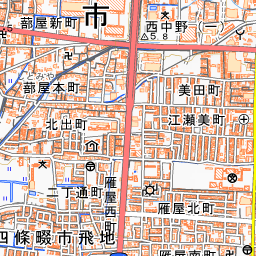
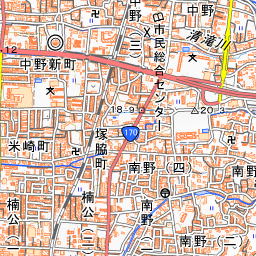
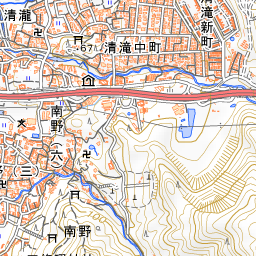
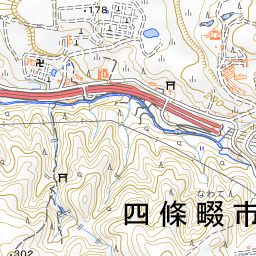
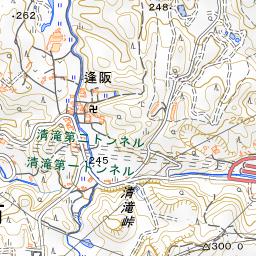
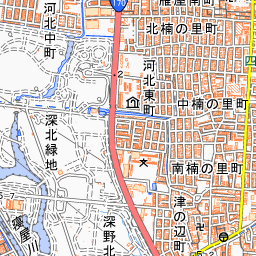
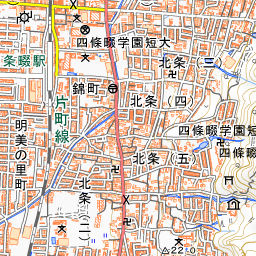
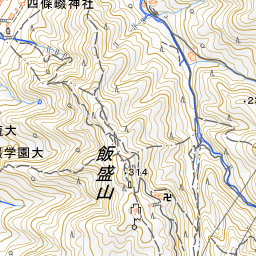
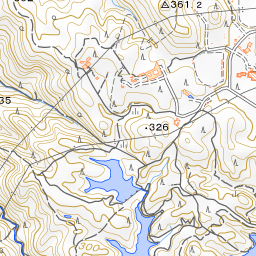
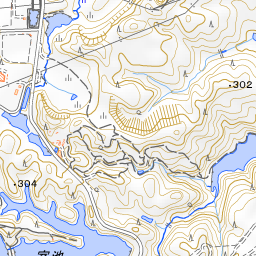
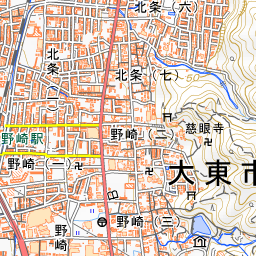
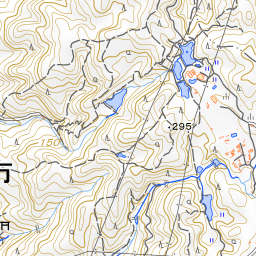
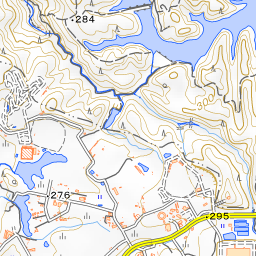
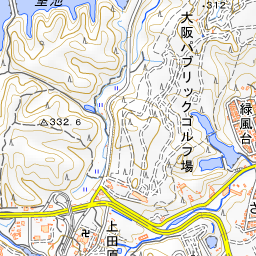
Spot location © OpenStreetMap contributors (ODbL)
Open in Google MapsGuides that include this spot (1)
Use asobot while you walk
- See where you are on the map and find spots nearby
- Listen to the guide's audio in course order, one after another (with subtitles)
- Walk to the next spot while following the map
Open on your phone
Scan to open this spot in asobot on your phone.