 ✨ AI Generated
Toyokuni-jinja Shrine
Japanese: 豊国神社
Higashiyama Ward, Kyoto
This information was written by AI and may contain mistakes. Please check official sources for opening hours, fees, and other details before you go.
Found a mistake? Let us know with “✏️ Something's wrong” on this spot's screen in asobot →
🎧 Audio guide(1:07)
In short
A shrine dedicated to Toyotomi Hideyoshi, affectionately known in Kyoto as "Hokoku-san." It was founded in 1599 (Keicho 4) on Mount Amidagamine in Higashiyama, and after the fall of the Toyotomi clan, worship was ordered to cease by the shogunate, but in 1880 (Meiji 13), shrine buildings were constructed on the former site of the Great Buddha Hall of Hoko-ji Temple, and the shrine was revived.
- National Treasure Karamon Gate: This four-legged karamon gate is said to be a surviving structure from Fushimi Castle and was relocated from Konchi-in Temple of Nanzen-ji Temple. Together with the karamon gates at Nishi Hongwanji Temple and Daitoku-ji Temple, it is called one of the "Three Karamon Gates of Kyoto." It is located within the grounds and can be viewed freely at any time
- Folding Screen and Iron Lantern in the Treasure Hall: The hall exhibits treasures deeply connected to Hideyoshi. The "Toyokuni Sairei-zu Byobu" (Scenes of the Toyokuni Festival) by Kano Naizen, conveying the atmosphere of the grand temporary festival held for Hideyoshi's seventh-year memorial, and an iron lantern made by Tsuji Yojiro Sanehisa are Important Cultural Properties
- Annual Festival on September 18: The day marks the anniversary of Hideyoshi's death, and bugaku (court dance and music) is offered. On the following day, September 19, a tea offering ceremony is conducted by the grandmaster of the Yabunouchi family school of tea ceremony. Neither event allows public attendance
History and Highlights
Toyokuni-jinja Shrine is dedicated to Toyotomi Hideyoshi and is affectionately known in Kyoto as "Hokoku-san." In 1599, the year after Hideyoshi's death, the Imperial Court granted him the divine title of "Toyokuni Daimyojin," and the shrine was founded on Mount Amidagamine in Higashiyama. Its shrine estate reached 10,000 koku, and its grounds spanned 300,000 tsubo (around 100 hectares).
In 1615, following the fall of the Toyotomi clan, worship was ordered to cease by the shogunate, and the shrine buildings were left to decay. In the first year of the Meiji period (1868), Emperor Meiji ordered the restoration of the rituals, and in 1880, shrine buildings were constructed on the former site of the Great Buddha Hall of Hoko-ji Temple, revitalizing the shrine. In 1925, Sadateru-jinja Shrine, which enshrines Hideyoshi's wife, Kita-no-Mandokoro (One), was also enshrined within the grounds, and today the shrine is revered as a deity of career success, good fortune, and matchmaking. Hideyoshi's grave site, the Hokokubyo Mausoleum located on Mount Amidagamine, serves as an outlying precinct of this shrine.
Viewing and Experience Highlights
- National Treasure Karamon Gate: Standing directly in front of the main sanctuary (honden), this four-legged karamon gate is said to be a surviving structure from Fushimi Castle and was relocated from Konchi-in Temple of Nanzen-ji Temple. Together with the karamon gates at Nishi Hongwanji Temple and Daitoku-ji Temple, it is counted as one of the "Three Karamon Gates of Kyoto" and is designated as a National Treasure as a representative structure of the Momoyama period. It is decorated throughout with lavish decorative metal fittings and carvings; in the past, the entire gate was coated in black lacquer, while the carvings were adorned with gold leaf and vivid colors. The calligraphy on the plaque in the center of the gate was brushed by Emperor Goyozei.
- Folding Screen and Iron Lantern in the Treasure Hall: Opened in 1925, the Momoyama-style Treasure Hall exhibits treasures deeply connected to Hideyoshi. The pair of six-panel folding screens titled "Toyokuni Sairei-zu Byobu" (Scenes of the Toyokuni Festival), painted by Kano Naizen, is an Important Cultural Property conveying the atmosphere of the grand temporary festival held for Hideyoshi's seventh-year memorial (shichikaiki). An iron lantern made by Tsuji Yojiro Sanehisa is also an Important Cultural Property; after the shrine fell into decline, it was passed down to Myoho-in Temple and was returned following the shrine's revival.
- Annual Festival on September 18: September 18 marks the anniversary of Hideyoshi's death, and bugaku (court dance and music) is offered at the main shrine's annual festival. On the following day, September 19, a tea offering ceremony is conducted by the grandmaster of the Yabunouchi family school of tea ceremony. Neither event allows public attendance.
Walking Tips
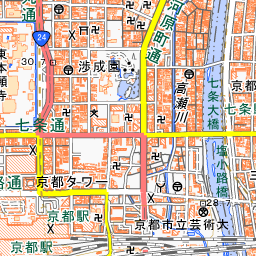
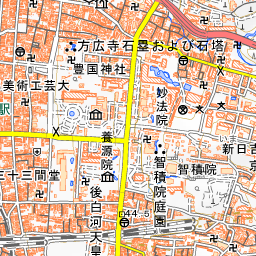
The shrine is about a 10-minute walk from Keihan Shichijo Station and about 5 minutes from the "Hakubutsukan Sanjusangendo-mae" city bus stop. The Karamon Gate is located within the grounds and can be viewed freely at any time. This area was once the precinct of the Great Buddha Hall of Hoko-ji Temple built by Hideyoshi, and immediately east of the shrine is the Daibutsuden-ato Ryokuchi Park, preserving the remains of the Great Buddha Hall underground. Hoko-ji Temple is about 80 meters to the north, Kyoto National Museum is about 180 meters to the south, and Sanjusangendo Temple is about 360 meters to the south.
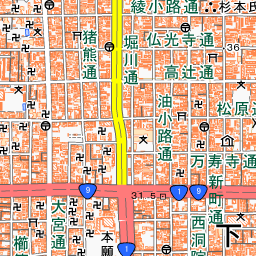


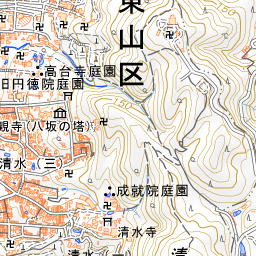
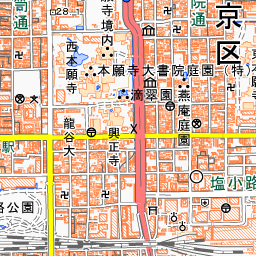
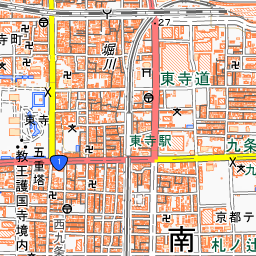
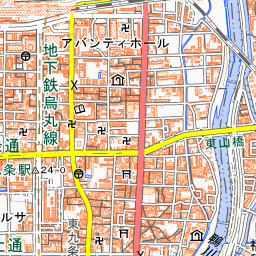
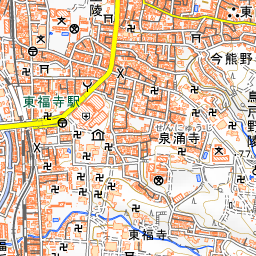
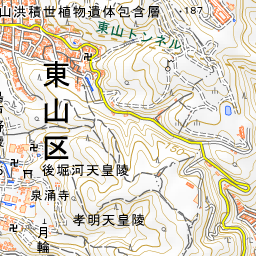
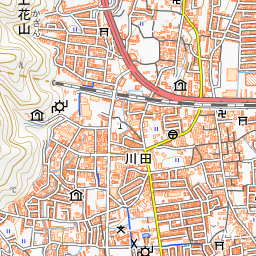
Spot location © OpenStreetMap contributors (ODbL)
Open in Google MapsGuides that include this spot (1)
Use asobot while you walk
- See where you are on the map and find spots nearby
- Listen to the guide's audio in course order, one after another (with subtitles)
- Walk to the next spot while following the map
Open on your phone
Scan to open this spot in asobot on your phone.