
Gokuraku-ji Temple
Japanese: 極楽寺
Hatsukaichi, Hiroshima
This information was written by AI and may contain mistakes. Please check official sources for opening hours, fees, and other details before you go.
Found a mistake? Let us know with “✏️ Something's wrong” on this spot's screen in asobot →
🎧 Audio guide(1:07)
In short
Gokuraku-ji Temple stands near the summit of Mt. Gokurakuji in Hatsukaichi City, on a mountain on the mainland side, looking down at Miyajima across the sea. According to tradition, it is an ancient temple said to have been founded by Gyoki in 731, during the Nara period.
- The Main Hall on the Mountain: Said to have been rebuilt in 1788, in the late Edo period, reusing a portion of the older timber, it is an Important Cultural Property of Hiroshima Prefecture
- The Akagashi Oak and Giant Cedar in the Precincts: An akagashi (Japanese evergreen oak) and a giant cedar designated as Natural Monuments of Hatsukaichi City convey the long passage of time through the temple's history
- Panoramic Views of the Seto Inland Sea: From the summit, you can look out across the Seto Inland Sea dotted with Miyajima and Ninoshima Island; on clear days, the distant mountains of Shikoku can also be seen
History and Highlights
Gokuraku-ji Temple is a temple built near the summit of Mt. Gokurakuji in Hatsukaichi City. The mountain rises to an elevation of approximately 693 meters. Rather than being on Miyajima itself, it stands on a mountain on the mainland side, looking down at Miyajima across the sea.
According to tradition, it is an ancient temple said to have been founded by Gyoki in 731 during the Nara period (Tenpyo 3). The principal image, a seated statue of the Eleven-Headed Thousand-Armed Kannon, is designated as an Important Cultural Property of Hiroshima Prefecture and is a hidden Buddha not usually on public display. During the Sengoku period, Mori Motonari is said to have rebuilt the main hall. The current main hall is said to have been reconstructed in 1788 during the late Edo period (Tenmei 8), reusing a portion of the older timber, and is designated as an Important Cultural Property of Hiroshima Prefecture.
Highlights for Viewing and Experiencing
- The Main Hall on the Mountain: Standing in the quiet temple grounds near the summit is the main hall, which was rebuilt in the late Edo period. This building is designated as an Important Cultural Property of Hiroshima Prefecture.
- The Akagashi Oak and Giant Cedar in the Precincts: The grounds are home to an akagashi (Japanese evergreen oak) and a giant cedar tree designated as Natural Monuments of Hatsukaichi City, conveying the long passage of time through the temple's history.
- Panoramic Views of the Seto Inland Sea: From the summit of Mt. Gokurakuji, you can look out across the Seto Inland Sea dotted with Miyajima and Ninoshima Island; on clear days, the distant mountains of Shikoku can also be seen. The area around the summit forms part of Setonaikai National Park.
Tips for Exploring
A roadway leads up Mt. Gokurakuji, allowing visitors to drive relatively close to the temple. The summit area has been developed as a recreational forest ("Forest of Relaxation"), complete with walking paths for taking in the views and strolling through nature. You can leisurely enjoy a walk atop the mountain along with your visit to the temple. Because temperatures on the mountain tend to be cooler than in the towns below, bringing an extra layer of clothing is advisable depending on the season. Visiting here to view Miyajima from across the water—on a different day from visiting Itsukushima Shrine or Mt. Misen on the island itself—lets you appreciate the island from a fresh angle.
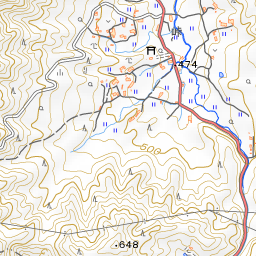
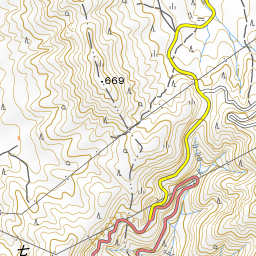
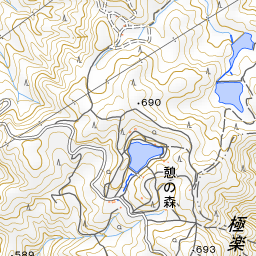
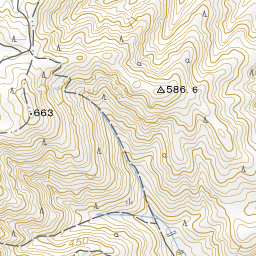


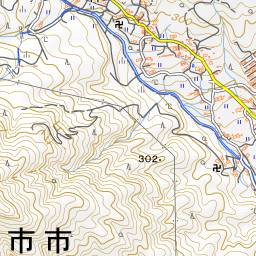
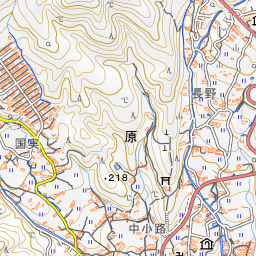
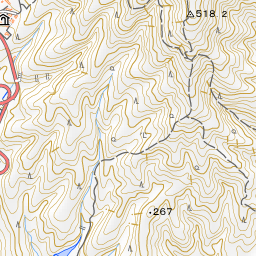


Spot location © OpenStreetMap contributors (ODbL)
Open in Google MapsUse asobot while you walk
- See where you are on the map and find spots nearby
- Listen to the guide's audio in course order, one after another (with subtitles)
- Walk to the next spot while following the map
Open on your phone
Scan to open this spot in asobot on your phone.