 ✨ AI Generated
Oji Inari-jinja Shrine
Japanese: 王子稲荷神社
Kita City, Tokyo
This information was written by AI and may contain mistakes. Please check official sources for opening hours, fees, and other details before you go.
Found a mistake? Let us know with “✏️ Something's wrong” on this spot's screen in asobot →
🎧 Audio guide(1:04)
In short
This shrine holds the prestigious status of the head Inari shrine of the Kanto region and has been cherished by the common people since the Edo period. Legend has it that on New Year's Eve, foxes serving as messengers of Inari gather beneath a nearby enoki (hackberry) tree to dress themselves up before paying their first shrine visit of the year. It also serves as the setting for the rakugo tale "The Fox of Oji." The shrine is well known for the "Oji Fox Parade" held on New Year's Eve.
- Gorgeously Colored Haiden (Worship Hall): Built in the 5th year of Bunsei (1822) through a donation by the 11th shogun, Tokugawa Ienari, this worship hall is rare for its use of vibrant, rich colors.
- Oishi-sama: A stone located deep to the right of the main sanctuary; it is said that your wish will come true if it feels light when you lift it.
- Former Fox Holes: The site of holes deep within the grounds where many foxes are said to have once lived.
History and Highlights
Oji Inari-jinja Shrine is a shrine holding the rank of the general head shrine of Kanto Inari. According to legend, it received the title of "Kanto Inari Soji" (Head of Kanto Inari) from Minamoto no Yoriyoshi during the Kohei era, and was designated as a prayer site for generations of the Tokugawa shogunal family. Originally called "Kishi Inari," it is said to have been renamed Oji Inari-jinja Shrine after Oji-jinja Shrine was enshrined nearby in the 2nd year of Genko (1322) and the area's name changed to Oji.
It is also known for legends involving foxes. It was said that on New Year's Eve, foxes acting as messengers of Inari groomed themselves under a nearby hackberry tree to make their first shrine visit of the new year here. Utagawa Hiroshige depicted this scene in "New Year's Eve Foxfires at the Changing Tree, Oji" from his series One Hundred Famous Views of Edo. Based on this legend, the "Oji Fox Parade" began in 1993. Even today on New Year's Eve, people wearing fox masks and traditional dress parade from Shozoku Inari-jinja Shrine to make their New Year's worship.
The current sanctuary was constructed in the 5th year of Bunsei (1822) through a donation from the 11th shogun, Tokugawa Ienari. Although the honden (main hall) was destroyed in wartime and rebuilt in Showa 35 (1960), the haiden (worship hall) and heiden (offering hall) date back to 1822.
Appreciation and Experience Points
- Gorgeously Colored Haiden: The surrounding kaerumata (frog-leg struts) feature the twelve signs of the zodiac, while the front kohai (entry roof) is decorated with lions, tigers, peonies, and phoenixes. While unpainted plain wood became increasingly common as time went on, the use of rich, vibrant colors is considered rare.
- Oishi-sama: A stone found by proceeding to the back from the right side of the shrine pavilions. It is said that if you lift it and it feels light, your wish will be fulfilled, but if it feels heavy, it will not. A story also remains that only an elderly couple who prayed every morning were able to easily lift this stone as it floated in the river, after which they enshrined it beside the Inari deity. Please do not strain yourself.
- Former Fox Holes: Located beyond the stone steps continuing beside Oishi-sama, this area is known as "Oana-sama." Once surrounded by massive cedar trees and dim even during daytime, it is said that numerous foxes peacefully resided here and were cherished as divine messengers. It also serves as the setting for the rakugo tale "The Fox of Oji."
Walking Tips
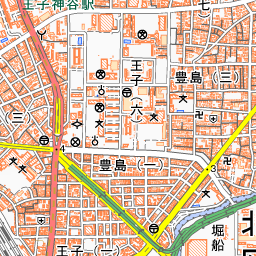
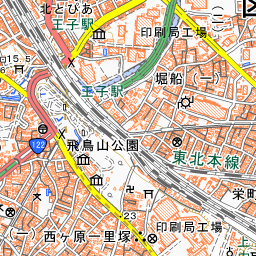
It is a 5-minute walk from the north exit of Oji Station. A kindergarten is located on the shrine grounds, and on weekdays, visitors are often unable to enter below the stone steps. If the shinmon gate is closed, circling around via Inari-zaka Slope on the left will lead to the south torii gate. After worshipping at the shrine pavilions, proceed to the Hongu through the vermilion torii gate on the right, and then continue deeper to Oishi-sama and the former fox holes.
The large ema (votive wooden tablet) "Gakumen Chakushoku Kijo-zu" (Colored Painting of an Ogress on a Tablet) by Shibata Zeshin is a nationally designated Important Art Object, displayed to the public from January 1 to 3 and on the Days of the Horse in February. The shrine also holds a dragon painting by Tani Buncho. The Kite Fair held on the Days of the Horse in February stems from the superstition of Edo residents that "kites cut the wind," serving as an omen to ward off fires.
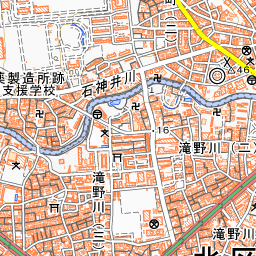
Nanushi-no-Taki Park is located approximately 160 meters to the northwest, and Oji-jinja Shrine is approximately 390 meters to the southeast.
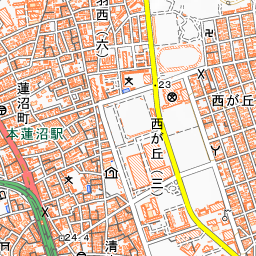
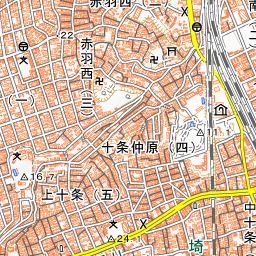
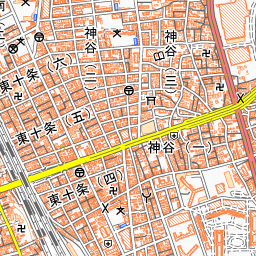
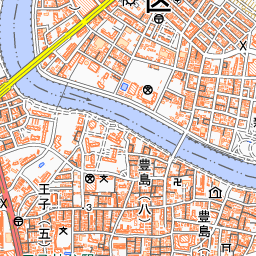
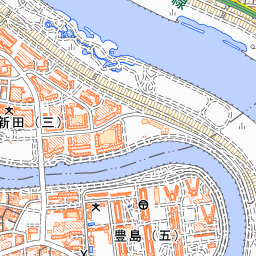
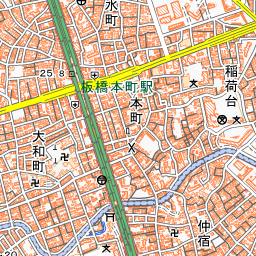
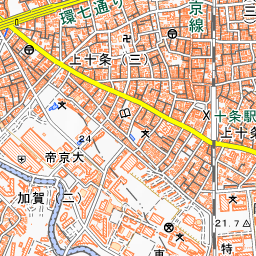
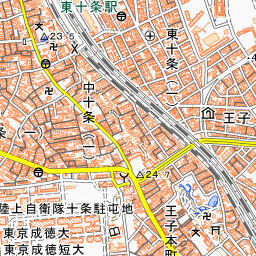
Spot location © OpenStreetMap contributors (ODbL)
Open in Google MapsUse asobot while you walk
- See where you are on the map and find spots nearby
- Listen to the guide's audio in course order, one after another (with subtitles)
- Walk to the next spot while following the map
Open on your phone
Scan to open this spot in asobot on your phone.