 ✨ AI Generated
Aogashima Island
Japanese: 青ヶ島
Aogashima Village, Tokyo
This information was written by AI and may contain mistakes. Please check official sources for opening hours, fees, and other details before you go.
Found a mistake? Let us know with “✏️ Something's wrong” on this spot's screen in asobot →
🎧 Audio guide(1:03)
In short
Aogashima Island is a volcanic island floating in the Pacific Ocean, 358 km south of Tokyo, and is the southernmost inhabited island of the Izu Islands. It is a double-caldera volcanic island featuring the central cone "Maruyama" located inside the large crater at the center of the island. Following the Great Tenmei Eruption of 1785, the island has a history of remaining uninhabited for about 50 years.
- Double Caldera: A magnificent view centered on Maruyama spreads out from Oyama Observation Park and Otonbu, the highest point on the island.
- Geothermal Blessings: There is a sauna that uses the heat from steam vents known as "hingya."
- Starlit Skies: At night, a beautiful starry sky unfolds, making it an excellent spot for viewing the Milky Way.
History and Highlights
Aogashima Island is an oval-shaped volcanic island located 358 km south of Tokyo and 68 km from Hachijojima Island. It is the southernmost inhabited island in the Izu Islands. The island has an area of about 6 square kilometers and a circumference of about 9 km. Seen from the ocean floor, it corresponds to the summit of a submarine volcano with a base measuring 15 km by 8 km and a relative height of 1,100 meters. Sea cliffs ranging from 50 to 200 meters in height stretch along the coast.
In the center of the island lies the Ikenosawa Crater, a large crater with a diameter of 1.5 to 1.7 km. Inside it sits Maruyama. Maruyama was formed by the accumulation of rock fragments and scoria that fell during the eruptions between 1780 and 1785. The lava that flowed out at that time filled Oike and Koike, which were ponds located inside the crater.
The 18th-century eruptions brought severe damage to the island. During the eruption of 1783, volcanic projectiles rained down across the island, burning 61 homes and killing 7 people. In the eruption of 1785, it is estimated that 130 to 140 of the 327 residents at the time lost their lives. The survivors evacuated to Hachijojima Island, leaving Aogashima Island uninhabited for about 50 years.
In the Ikenosawa area, numerous steam vents called "hingya" can be seen. The name hingya is derived from "hinokiwa" (meaning "edge of fire").
Viewing and Experience Points
- Overlooking the Double Caldera: From Oyama Observation Park, you can overlook the spectacular double caldera centered on Maruyama. From Otonbu, the highest elevation on the island, the inner cone and the vast ocean unfold below, and on clear days, you can even see distant Hachijojima Island.
- Enjoying Geothermal Heat: There is a sauna that utilizes the heat of the hingya steam vents, serving as a gathering place where visitors and islanders mingle. Nearby, there are also geothermal steam cookers where you can steam eggs and sweet potatoes.
- Stargazing: Nighttime is the perfect time to admire the magnificent Milky Way. Depending on your timing, you might also encounter Canopus or the Perseid meteor shower.
Travel Tips
To reach Aogashima Island, travel via Hachijojima Island. From Hachijojima Island, it takes about 2 hours and 30 minutes by boat or about 20 minutes by helicopter. Boat services may be canceled due to bad weather or rough seas. Accommodations are limited to small inns or a free campsite, both of which require advance reservations. While most of the island can be explored on a 2-day, 1-night trip, staying at a leisurely pace to explore the entire island is also recommended. There is also a hiking trail that crosses the crater toward the sea. At local izakaya pubs, you can sample "Aochu," a shochu spirit distilled from sweet potatoes.





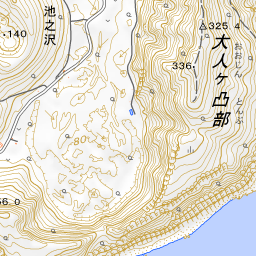
Spot location © OpenStreetMap contributors (ODbL)
Open in Google MapsUse asobot while you walk
- See where you are on the map and find spots nearby
- Listen to the guide's audio in course order, one after another (with subtitles)
- Walk to the next spot while following the map
Open on your phone
Scan to open this spot in asobot on your phone.