 ✨ AI Generated
Sanbo-ji Temple
Japanese: 三宝寺
Nerima City, Tokyo
This information was written by AI and may contain mistakes. Please check official sources for opening hours, fees, and other details before you go.
Found a mistake? Let us know with “✏️ Something's wrong” on this spot's screen in asobot →
🎧 Audio guide(1:04)
In short
Sanbo-ji Temple is a temple of the Shingon sect located southeast of Sanpoji Pond in Shakujii Park. It originated in the 14th century and is said to have moved to its present location after Shakujii Castle fell in 1477. The temple's main gate is called "Onarimon" based on the tradition that the third shogun, Tokugawa Iemitsu, stopped by here while on a hunt.
- Onarimon: A gate made of keyaki (Japanese zelkova) wood, which was not typically used for such purposes, and is a designated cultural property of Nerima Ward. Peonies are carved on its doors, displaying characteristics of temple and shrine architecture from the late Edo period.
- Temple Bell: A bronze bell cast in 1675 that still hangs in the bell tower today.
- Itabi with Amida Triad Raigo Image: A large stone tablet (itabi) bearing an inscription of 1472, which can be viewed inside a glass case within the Koyasu Sentai Jizo-do Hall.
History and Highlights
Sanbo-ji Temple is a temple of the Shingon sect that stands southeast of Sanpoji Pond in Shakujii Park. Its origins date back to the 14th century, and it is said to have been founded in 1394. Tradition states that it moved to its current site after the Shakujii Castle of the Toshima clan fell in 1477.
Tradition says that in the early Edo period, the third shogun, Tokugawa Iemitsu, stopped by this area while hunting. For this reason, the temple's main gate is called "Onarimon." It is said that the old local place name "Daimon" originates from this Onarimon gate. Another theory suggests it originates from the Otemon (main gate) of Shakujii Castle.
Based on the contents of a ridge plaque (munafuda) noted in the temple's records, it is considered highly likely that the current main gate was built in 1827. It is a wooden shikyakumon (four-legged gate) with a gabled roof. The fact that it was constructed with keyaki wood, which was ordinarily not used, and with a solid structural proportion suggests that it was built specifically as an Onarimon. It became a registered cultural property of Nerima Ward in fiscal 1995 and was designated as a ward cultural property in fiscal 2024.
Within the precincts, a bronze temple bell cast in 1675 and a stone tablet bearing an inscription of 1472 also remain.
Highlights for Viewing and Experiencing
- Carvings of the Onarimon: Carvings of Chinese lions, baku (dream-eating tapirs), and elephants are found on the beam ends (kibana) of the gate, and peonies are carved into the double doors. Left in natural unpainted wood, the carvings on the pillars, rainbow beams (koryo), and other parts reflect the characteristics of shrine and temple architecture of the late Edo period.
- Temple Bell: Made of bronze, it measures 164.4 centimeters in height. According to the inscription, the maker was the metal caster Shiina Iyo-no-kami Fujiwara no Yoshihiro, who produced many bells during the Edo period. Cast in 1675, it still hangs in the bell tower today.
- Itabi with Amida Triad Raigo Image: A large stone tablet made of greenschist, standing at a current height of 140 centimeters. The front features an exquisitely carved scene of the Amida Triad Welcoming Descent (Raigo). It was designated as an Important Art Object of Japan in 1942. Today, it is preserved and can be viewed inside a glass case within the Koyasu Sentai Jizo-do Hall.
Tips for Exploring
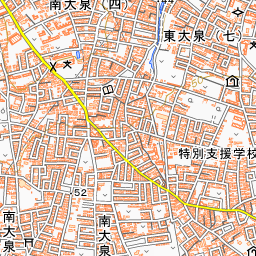
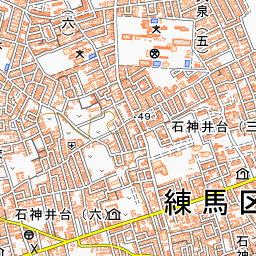
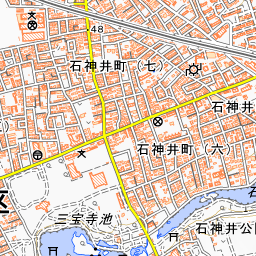
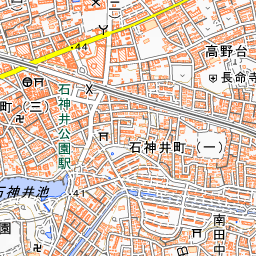
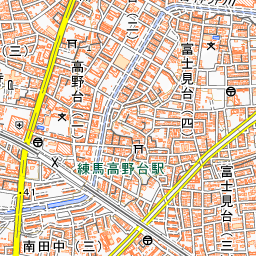
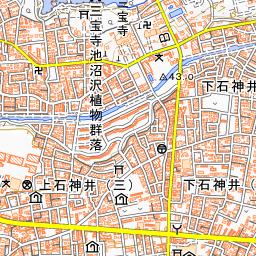
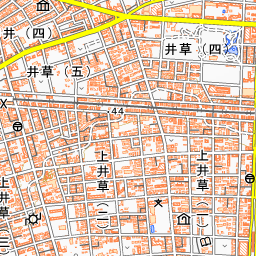
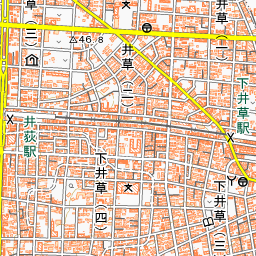
According to Nerima Ward's information, take a Seibu bus from Shakujii-koen Station or Oizumi-gakuen Station on the Seibu Ikebukuro Line, get off at "JA Tokyo Aoba," and walk for about 5 minutes. As the temple is located southeast of Sanpoji Pond, a visit can easily be combined with a walk around Shakujii Park. The ruins of Shakujii Castle are situated on the plateau south of the pond, and Tono-zuka and Hime-zuka mounds are on the plateau to the north of the pond (details can be found in Shakujii Park information). About 280 meters northeast of the temple stands the Nerima Shakujiikoen Furusato Museum.

Spot location © OpenStreetMap contributors (ODbL)
Open in Google MapsGuides that include this spot (1)
Use asobot while you walk
- See where you are on the map and find spots nearby
- Listen to the guide's audio in course order, one after another (with subtitles)
- Walk to the next spot while following the map
Open on your phone
Scan to open this spot in asobot on your phone.