 ✨ AI Generated
Mikurajima Island
Japanese: 御蔵島
Mikurajima Village, Tokyo
This information was written by AI and may contain mistakes. Please check official sources for opening hours, fees, and other details before you go.
Found a mistake? Let us know with “✏️ Something's wrong” on this spot's screen in asobot →
🎧 Audio guide(0:53)
In short
Mikurajima Island is a small island with a circumference of about 16 km, located about 200 km south of Tokyo, nearly in the center of the Izu Islands. Its deep forests are filled with giant trees, leading it to be described as a "forest floating on the sea." Wild Indo-Pacific bottlenose dolphins live in the waters around the island, and dolphin watching is the primary goal for most visitors.
- Dolphins with Names: Through many years of individual identification research, all of the approximately 150 dolphins living around the island have been given names.
- Forest of Giant Trees: Forests of giant trees such as Sudajii (Castanopsis sieboldii), Inumaki (Podocarpus macrophyllus), and boxwood are scattered across the island, and trees with trunk circumferences exceeding 5 meters can be seen in many places.
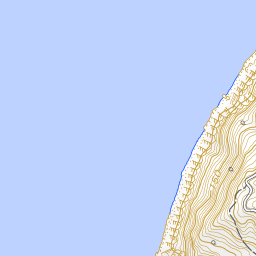
- An Island Surrounded by Sea Cliffs: Sea cliffs reaching heights of up to 480 meters encircle the entire island.
History and Highlights
Mikurajima Island is a small island with an area of about 20 square kilometers and a circumference of about 16 km, located about 200 km south of Tokyo, almost in the center of the Izu Islands. At its center rises Mount Oyama, which stands at an elevation of 851 meters and is the second highest peak in the Izu Islands. The island is surrounded by sea cliffs that reach up to 480 meters. It is an island of flowing rivers, waterfalls, deep forests, and steep gorges. Ranging from subtropical to subalpine plants, as well as endemic species such as the Mikura deep mountain stag beetle, can be observed here; it is described as a "forest floating on the sea" and is sometimes called a miniature version of Yakushima.
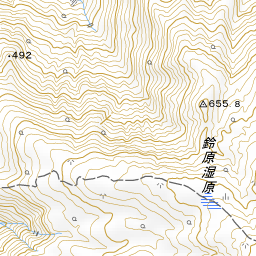
The forests have many giant trees, with groves of huge Sudajii, Inumaki, and boxwood scattered in several locations. The "Suzuhara Wetland Plant Community of Mikurajima" and the "Boxwoods of Miyogaike Pond in Mikurajima" are designated as Natural Monuments of Tokyo. Boxwood has also supported the islanders' livelihood. During the Edo period, boxwood timber was jointly owned and sold, and the proceeds were used to purchase daily necessities to distribute to the islanders.
Human habitation goes back a long way, to the Initial Jomon period, and remains of pit dwellings have also been found. Near the end of the Edo period, the "Wreck of the Black Ship Viking" occurred, during which 480 foreigners were rescued. A stone lantern using the Viking's capstan as its base and an anchor have been designated as cultural properties of the village.
About 150 wild Indo-Pacific bottlenose dolphins live in the sea surrounding the island. Through individual identification research spanning more than 25 years, every dolphin has been named. The island is also a breeding ground for approximately 1 million streaked shearwaters.
Viewing and Experience Points
- Dolphin Watching: Dolphin watching, the main attraction for most visitors, has its season from April to November. The boats used for swimming with the dolphins are operated by the inns or partner operators. Approach the experience with the mindset of respectfully visiting the vast ocean where the dolphins swim freely.
- Walking Through the Forest of Giant Trees: Guided tours that explore the forests of giant trees are popular. Giant trees with trunk circumferences of 5 meters or more can be seen in various spots.
- Viewing the Cliffs from the Sea: The island is surrounded by sheer cliffs. Viewing this magnificent landscape from aboard a boat is also recommended.
Travel Tips
Large passenger ships depart Takeshiba Pier at night, stop at Miyakejima Island, and arrive the following morning. The journey takes about 7 hours and 30 minutes, but departures are frequently canceled if sea conditions are poor. By helicopter, it takes about 10 minutes from Miyakejima Island and about 25 minutes from Hachijojima. Accommodations are few and reservations are difficult to secure throughout the year, so it is best to book lodging as soon as you make plans. The entire island is designated as a national park, and trekking and dolphin watching require the accompaniment of a certified guide. Bicycles and camping are prohibited. At Ebine Park, you can see Nioi-ebine (Calanthe izu-insularis), a type of orchid native to the Izu Islands.
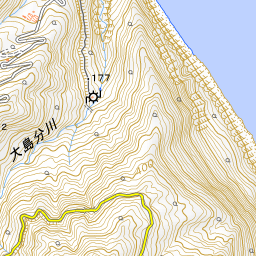
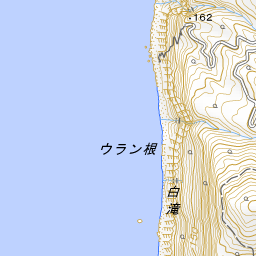
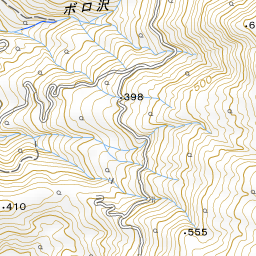
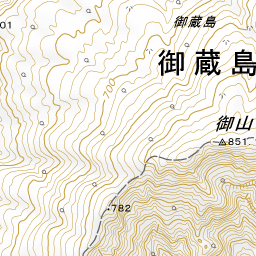
Spot location © OpenStreetMap contributors (ODbL)
Open in Google MapsUse asobot while you walk
- See where you are on the map and find spots nearby
- Listen to the guide's audio in course order, one after another (with subtitles)
- Walk to the next spot while following the map
Open on your phone
Scan to open this spot in asobot on your phone.