
Shotengu Saiko-ji Temple
Japanese: 聖天宮 西江寺
Minoh, Osaka
This information was written by AI and may contain mistakes. Please check official sources for opening hours, fees, and other details before you go.
Found a mistake? Let us know with “✏️ Something's wrong” on this spot's screen in asobot →
🎧 Audio guide(1:12)
In short
A temple of the Koyasan Shingon sect, about a 5-minute walk from Hankyu Minoo Station. According to temple tradition, it was founded in 658 during the Asuka period by En no Gyoja, and it is said that Daishokangiten, in the form of an old man, appeared before En no Gyoja as he was undergoing repeated ascetic practices at Minoo Falls, and declared that he would make this mountain Japan's first sacred place for Kangiten. The Shoten-sama of the main hall is an absolute hidden Buddha (hibutsu), and is still called "Shoten-san" as a local guardian deity.
- Taidanseki and Daikokuten: On the grounds remains the "Taidanseki" (Dialogue Stone), where En no Gyoja and the old man who was an incarnation of Kangiten are said to have talked. The statue of Daikokuten, said to have been made in the mid-Muromachi period, is a standing statue that is rare in Japan, and is one of the deities of the "Saigoku Seven Lucky Gods" along the Hankyu railway lines
- Kesobumi: A kesobumi refers to a love letter, but it is a talisman that grants people's wishes, such as marriage proposals, business prosperity, and family safety. Saiko-ji Temple is known for this auspicious charm of good matches
- Tengu Matsuri and Mushi Kuyo: At the annual autumn festival "Tengu Matsuri" held on October 15 and 16, tengu and kagura (lion dancers) dance to the rhythm of drums and chants on the evenings of the eve and the main festival. On the first Saturday and Sunday of October, a Mushi Kuyo (memorial service for insects) is also conducted, where offerings are made to the insect mound (mushizuka) on the grounds
History and Highlights
Shotengu Saiko-ji Temple is a temple of the Koyasan Shingon sect, located about a 5-minute walk from Hankyu Minoo Station. According to temple tradition, it was founded in 658 during the Asuka period by En no Gyoja, the founder of Shugendo. It is said that one day, while En no Gyoja was undergoing ascetic practices at Minoo Falls, the mountain rumbled and shook, a radiant light shone, and from within the light Daishokangiten appeared in the form of an old man, declaring that he would make this mountain Japan's first sacred place for Kangiten and reside here to grant people's wishes.
Enshrined in the main hall is Japan's first Daishokangiten, said to have been created by En no Gyoja, which is still affectionately called "Shoten-san" as a local guardian deity. This Shoten-sama is an absolute hidden Buddha (hibutsu). Daishokangiten originates from Ganesha, the ancient Indian deity of wisdom and good fortune, and was transmitted to Japan as a god of financial circulation and matchmaking; it is also worshipped as a deity of marital harmony, safe childbirth, and children. Enshrined on the temple grounds are also the Eleven-Headed Kannon Bodhisattva and Daikokuten.
Sights and Experiences
- Taidanseki and Daikokuten: On the grounds remains the "Taidanseki" (Dialogue Stone), where En no Gyoja and the old man who was an incarnation of Kangiten are said to have talked. The statue of Daikokuten, said to have been made in the mid-Muromachi period, is a standing statue that is rare in Japan, depicted wearing an eboshi court cap, carrying a large sack on its back, and holding a magic mallet (uchide no kozuchi); it is one of the deities of the "Saigoku Seven Lucky Gods" along the Hankyu railway lines.
- Kesobumi: A kesobumi refers to a love letter, and it is said that in ancient times, kesobumi vendors walked around selling them in the capital. Although it was originally a love letter, it is a talisman that grants people's wishes, such as marriage proposals, business prosperity, and family safety. Saiko-ji Temple is known for this auspicious charm of good matches.
- Tengu Matsuri and Mushi Kuyo: At the annual autumn festival "Tengu Matsuri" held on October 15 and 16, tengu and kagura (lion dancers) dance to the rhythm of drums and chants on the evenings of the eve (yoimiya) and the main festival (honmiya). The chasing and striking of children by the tengu and kagura serves to ward off evil spirits, and it is said that children who are struck will grow up healthy and clever. On the first Saturday and Sunday of October, a Mushi Kuyo (memorial service for insects) is also conducted, where offerings are made to the insect mound (mushizuka) on the grounds.
Walking Tips
From the fresh green of spring to the autumn foliage, the precincts are covered with various kinds of maples, and from around December to May, various camellias bloom one after another. Regarding Minoo's specialty maple tempura, there is also a theory that En no Gyoja praised the maples on the temple grounds and fried them in the oil used for Shoten-sama's yokuyuku (oil-bathing ritual). Located about 610 meters north-northeast in a straight line is Minoosan Ryuan-ji Temple, which is also associated with En no Gyoja.
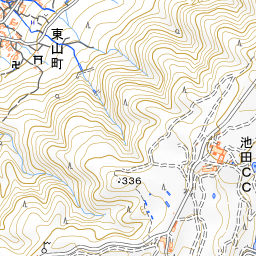
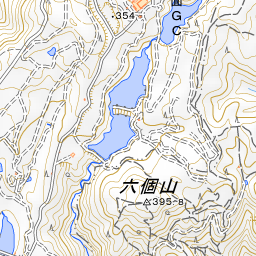
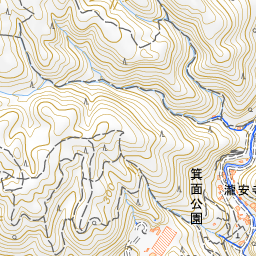


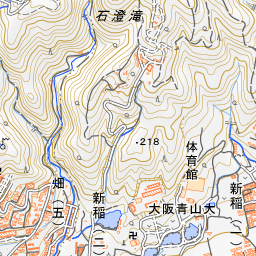
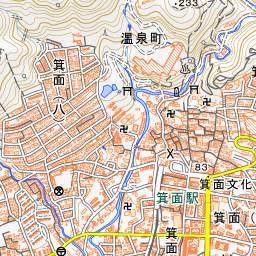
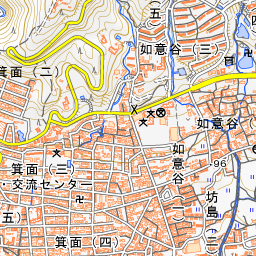
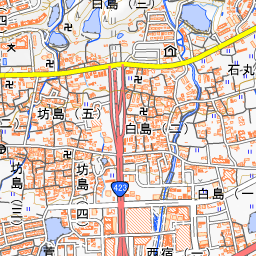
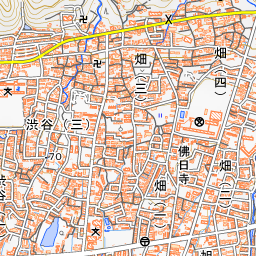
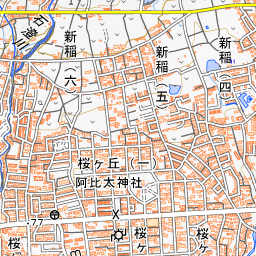
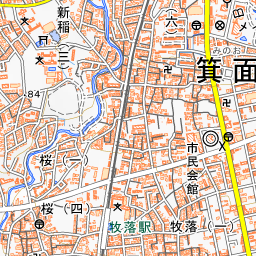
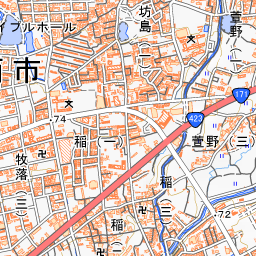
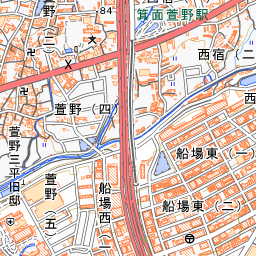
Spot location © OpenStreetMap contributors (ODbL)
Open in Google MapsUse asobot while you walk
- See where you are on the map and find spots nearby
- Listen to the guide's audio in course order, one after another (with subtitles)
- Walk to the next spot while following the map
Open on your phone
Scan to open this spot in asobot on your phone.