 ✨ AI Generated
Oka-dera Temple
Japanese: 岡寺
Asuka Village, Nara
This information was written by AI and may contain mistakes. Please check official sources for opening hours, fees, and other details before you go.
Found a mistake? Let us know with “✏️ Something's wrong” on this spot's screen in asobot →
🎧 Audio guide(1:06)
In short
Oka-dera Temple is a temple of the Shingon Buddhism Buzan sect, located halfway up Mount Okayama in the eastern part of Asuka Village. Its official temple name is Ryugai-ji Temple, and it is known as the 7th temple of the Saigoku 33 Kannon Pilgrimage and Japan's first sacred site for warding off evil spirits. The principal image, a seated statue of Nyoirin Kannon, is the largest clay Buddhist statue in Japan.
- Great Clay Buddha: The principal image is a clay statue 4.85 meters tall. It is also counted among the Three Great Buddhas of Japan.
- Pond that Sealed a Dragon: The temple grounds still retain the Ryugai-ike Pond, where the high priest Gien Sojo is said to have sealed away an evil dragon. A legend also remains that touching the keystone lid will cause rain to fall.
- Seasonal Flowers and Autumn Leaves: Visitors can enjoy seasonal flora such as rhododendrons, hydrangeas, and autumn foliage at this temple.
History and Highlights
Oka-dera Temple stands halfway up Mount Okayama, in the eastern part of Asuka Village. Its ancient name is Tokosan Shinjuin Ryugai-ji Temple. As it was warmly regarded as a temple on the hill (oka) of Asuka, it came to be known by the name Oka-dera Temple. It belongs to the Buzan sect of Shingon Buddhism and is the 7th temple of the Saigoku 33 Kannon Pilgrimage. It is also known as Japan's first sacred site for warding off evil spirits.
According to temple tradition, it was founded approximately 1,300 years ago by Gien Sojo by imperial decree of Emperor Tenji. Gien Sojo was appointed to the high priestly rank of sojo in the year 703 and became the head of the Buddhist clergy.
There is a legend behind the name Ryugai-ji Temple. Gien Sojo is said to have used his spiritual powers to seal inside a pond an evil dragon that was ravaging the land of Asuka and tormenting farmers, covering the pond with a large stone. The dragon reformed, turned into a good dragon, and is said to still sleep in the pond today.
The principal image in the main hall is a seated statue of Nyoirin Kannon created during the Nara period and designated as an Important Cultural Property. At 4.85 meters high, it is the largest clay Buddhist statue in Japan. According to temple tradition, it is said to have been crafted by Kobo Daishi using soil from three countries: Japan, China, and India. Along with the bronze Buddha of Todai-ji Temple and the wooden Buddha of Hase-dera Temple, it has been counted among the Three Great Buddhas of Japan.
The Nio-mon Gate was built in 1612 and is designated as an Important Cultural Property. The three-storied pagoda collapsed during a severe storm in 1472 and was reconstructed in 1986 after a span of 514 years.
Tips for Appreciation and Experience
- Two-Armed Principal Image: Look up at the principal image exceeding 4 meters in height inside the main hall. While Nyoirin Kannon is often depicted with six arms and one knee raised, this statue has two arms. General visits to the inner sanctuary are not permitted from January through March due to memorial services.
- Keystone of Ryugai-ike Pond: Ryugai-ike Pond is located in front of the main hall. A legend remains that touching the large keystone serving as its lid will bring rain.
- Seven Holes in the Bell: Near the center of the bell in the bell tower, there are seven holes. These are traces drilled during wartime to inspect the bell's material quality for scrap metal collection. The bell managed to avoid being requisitioned.
Tips for Exploring
The nearest station is Kintetsu Kashiharajingu-mae Station. From the East Exit, take a Nara Kotsu bus, get off at Okadera-mae, and walk for about 10 minutes. At Kintetsu Okadera Station, there are no buses or taxis, and walking takes just under one hour. Because the approach path is extremely narrow, cars should be parked at a nearby private parking lot, followed by a walk of around 5 minutes. Every year from mid-April to early May, around 3,000 rhododendron plants add color to the grounds, and from early to mid-November through early December, the autumn leaves turn vibrant colors. Nearby attractions include the Ishibutai Kofun Burial Mound about 570 meters to the south-southwest, the Sakafune-ishi Ruins about 630 meters to the northwest, and the Asuka Palace Site about 710 meters to the west-northwest.
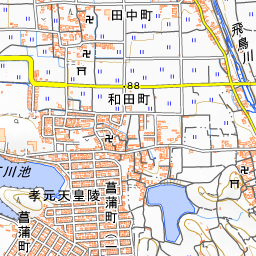
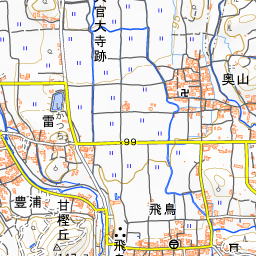
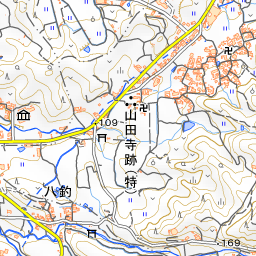
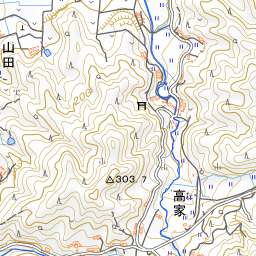
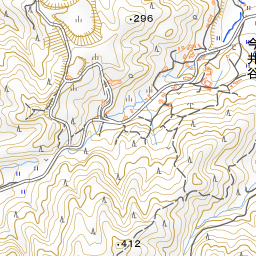
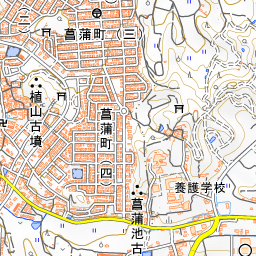

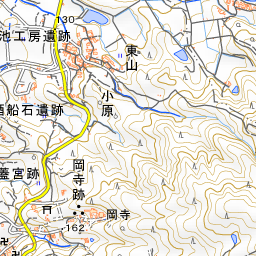
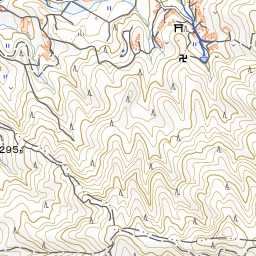
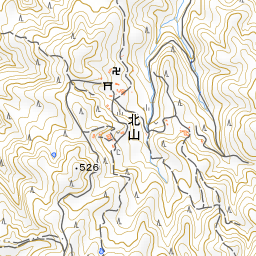
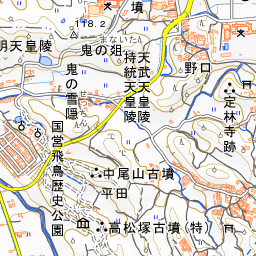
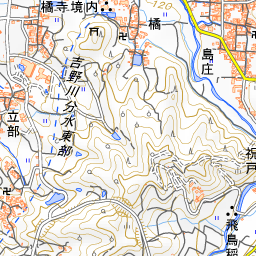
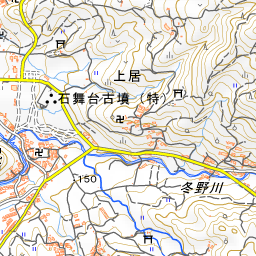
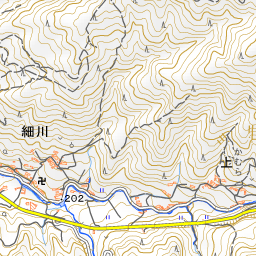
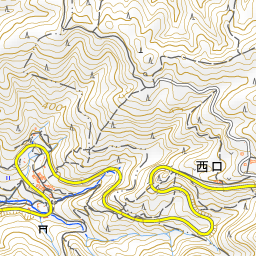
Spot location © OpenStreetMap contributors (ODbL)
Open in Google MapsGuides that include this spot (1)
Use asobot while you walk
- See where you are on the map and find spots nearby
- Listen to the guide's audio in course order, one after another (with subtitles)
- Walk to the next spot while following the map
Open on your phone
Scan to open this spot in asobot on your phone.