 ✨ AI Generated
Mt. Nijo
Japanese: 二上山
Katsuragi, Nara
This information was written by AI and may contain mistakes. Please check official sources for opening hours, fees, and other details before you go.
Found a mistake? Let us know with “✏️ Something's wrong” on this spot's screen in asobot →
🎧 Audio guide(0:57)
In short
Mt. Nijo is a mountain located on the border between Katsuragi City and the town of Taishi in Osaka Prefecture, featuring two adjacent peaks: Mt. Odake in the north and Mt. Medake in the south. In ancient times, it was called "Futakamiyama" and was celebrated in poems of the Man'yoshu (Collection of Ten Thousand Leaves). Near the summit of Mt. Odake is a site said to be the grave of Prince Otsu, who lost his life at the age of 24.
- Two Peaks: Mt. Odake is 517 meters high and Mt. Medake is 474 meters high, visible from almost everywhere in the Nara Basin.
- Grave of Prince Otsu: Known as the "Prince Otsu Mt. Nijo Tomb," it is managed by the Imperial Household Agency.
- View from Mt. Medake: The panoramic view stretches from the Yamato Plain, including the Yamato Sanzan Mountains, to the Kawachi Plain in Osaka.
History & Highlights
Mt. Nijo is a mountain situated on the border between Katsuragi City and the town of Taishi in Osaka Prefecture. Facing the mountain, the northern peak on the right is Mt. Odake at 517 meters, and the southern peak on the left is Mt. Medake at 474 meters. In ancient days, it was called "Futakamiyama," and today it is affectionately known as "Nijozan." Celebrated in the Man'yoshu, it can be seen from almost any part of the Nara Basin. From ancient times, the sight of the sun setting over the mountain led people to revere it as a sacred peak.
It is believed to have been an active volcano in the past. From its base, sanukite—used to make stone tools—and tuff, which was utilized for stone coffins and foundation stones, were quarried.
Closely tied to this mountain is the story of Prince Otsu. His father was Emperor Tenmu, and works like the Kaifuso and Nihon Shoki record that he excelled in both literary and military arts. However, suspected of treason, he was forced to take his own life at the young age of 24. His remains were transferred to Mt. Nijo. His elder sister, Princess Oku, composed a poem: "Being a person of this mortal world, from tomorrow onward shall I look upon Mt. Futakami as my dear brother." It is a poem expressing her intent to look upon Mt. Nijo from the next day forward as her brother and mourn him.
Sights & Experiences
- Near the Summit of Mt. Odake: There is a site said to be the grave of Prince Otsu, designated as the "Prince Otsu Mt. Nijo Tomb" and managed by the Imperial Household Agency. The Toritaniguchi Kofun Burial Mound, located at the end of a ridge of Mt. Odake, is a square tumulus from the late 7th century, and there is also a theory that this is the actual tomb of Prince Otsu.
- Umanose (Horse's Back): The depression between Mt. Odake and Mt. Medake, named for its resemblance to a horse's back. To reach Mt. Medake, hikers descend here once before climbing up a little again.
- View from Mt. Medake and the Poetry Monument: From the summit of Mt. Medake, the vista extends across the Yamato Plain—including the Yamato Sanzan Mountains—to the Kawachi Plain in Osaka. An inscribed monument on the mountain bears an ancient poem depicting yellow autumn leaves scattering over Mt. Nijo as one crosses Osaka Pass, while passing autumn showers fall.
Travel Tips
From Nijojinjaguchi Station or Taimadera Station on the Kintetsu Minami-Osaka Line, it takes about 1 hour and 30 minutes to 2 hours on foot to reach the summit of Mt. Odake. As there are many steep slopes, please wear suitable hiking clothes and prepare accordingly. There is no parking lot on the Nara Prefecture side; if traveling by car, use the Manyo no Mori Parking Lot in the town of Taishi, Osaka Prefecture. Every year on April 23, the "Dakenobori" mountain-climbing event takes place, where participants head for the summit from five different trailheads. After descending, you can walk to Taima-dera Temple and the Katsuragi City Sumo Museum at the foot of the mountain. Donzurubo, located northwest of the mountain, is another unique geological scenic spot born from this mountain's ancient volcanic activity.
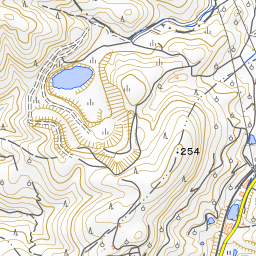
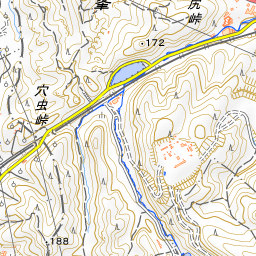
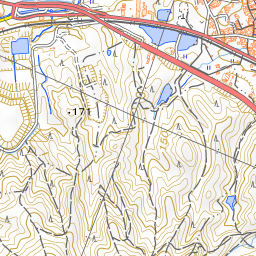
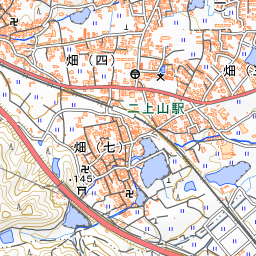
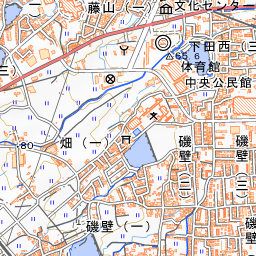
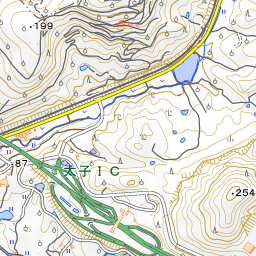
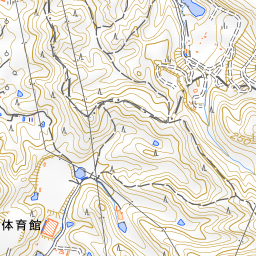
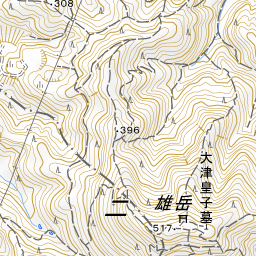
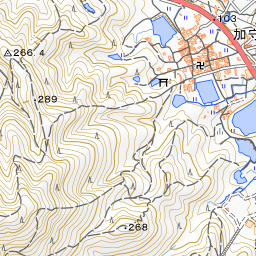
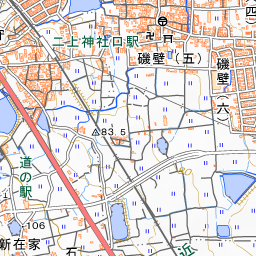
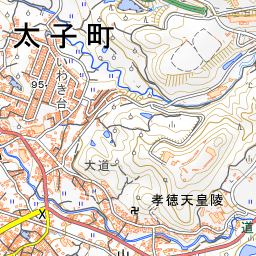
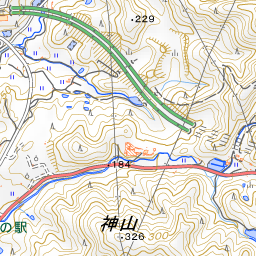
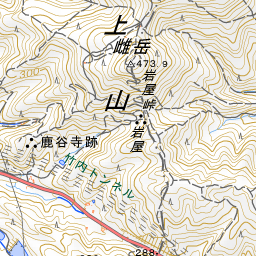
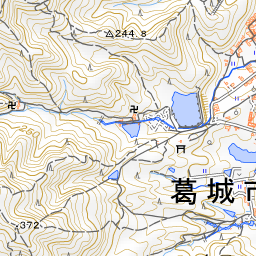

Spot location © OpenStreetMap contributors (ODbL)
Open in Google MapsGuides that include this spot (1)
Use asobot while you walk
- See where you are on the map and find spots nearby
- Listen to the guide's audio in course order, one after another (with subtitles)
- Walk to the next spot while following the map
Open on your phone
Scan to open this spot in asobot on your phone.