 ✨ AI Generated
Hama-rikyu Gardens
Japanese: 浜離宮恩賜庭園
Chuo City, Tokyo
This information was written by AI and may contain mistakes. Please check official sources for opening hours, fees, and other details before you go.
Found a mistake? Let us know with “✏️ Something's wrong” on this spot's screen in asobot →
🎧 Audio guide(1:07)
In short
Hama-rikyu Gardens is a garden that was once the Tokugawa shogunal family's villa, known as "Hama-goten," during the Edo period. It contains the only remaining "Shioiri-no-ike" (tidal pond) in Tokyo, where seawater is drawn in so that the pond's atmosphere changes with the rise and fall of the tide. It has received a dual designation from the national government as a Special Place of Scenic Beauty and a Special Historic Site.
- Shioiri-no-ike Pond and Nakajima no Ochaya: The 128-meter-long Otsutai-bashi Bridge leads to the teahouse built on the island in the pond.
- The 300-Year-Old Pine: A pine tree planted to commemorate the great achievement of the 6th shogun, Tokugawa Ienobu, when he carried out major renovations to the garden.
- Duck Hunting Grounds: Features the Koshindo Kamoba and Shinsenza Kamoba duck hunting grounds built in the Edo period, conveying the history of duck hunting.
History and Highlights
This site was originally a falconry ground for the Tokugawa shogunal family. In the 3rd year of the Joo era (1654), Matsudaira Tsunashige obtained permission from the shogun to reclaim land from the sea and build a villa. This was the "Kofu Hama-yashiki." When Tsunashige's son, Tsunatoyo, became the 6th shogun Ienobu, the residence became the shogunal family's villa, "Hama-goten." During the era of the 11th shogun Ienari, the scenery was largely shaped into what it is today. Centering on falconry, Ienari used the grounds 248 times—the most of any shogun.
In Meiji 3 (1870), it came under the jurisdiction of the Imperial Household Ministry and became an imperial villa named "Hama-rikyu." Although all the buildings, such as the teahouses, were destroyed by fire during the earthquake and wartime air raids, the pond and garden retained their historical appearance. In Showa 20 (1945), it was granted to the Tokyo Metropolitan Government and opened as a metropolitan garden the following year. In Showa 27 (1952), it was designated by the national government as a Special Place of Scenic Beauty and a Special Historic Site. There are only about nine Japanese gardens nationwide that have received this dual designation, and within Tokyo, this garden and Koishikawa Korakuen Gardens are the only two.
The centerpiece of the garden is the Shioiri-no-ike in the southern garden. This style, which draws in seawater to change the appearance of the pond with the ebb and flow of the tide, is the only remaining example in Tokyo. Today, seawater is channeled in from the water gate on the Tsukiji River.
Viewing and Experience Points
- Nakajima no Ochaya and Otsutai-bashi Bridge: Since its construction in Hoei 4 (1707), the Nakajima no Ochaya teahouse has served as a resting place where the shogun, his official wife (midaisama), and court nobles enjoyed the view of the garden. The current building was reconstructed in Showa 58 (1983). Otsutai-bashi Bridge, which connects the shore of the pond to Kono-ji-shima Island and Nakajima, is a 128-meter-long bridge made entirely of Japanese cypress.
- Reconstructed Teahouses and Duck Hunting Grounds: In addition to the Matsu no Ochaya built during the era of the 11th shogun Ienari, the Tsubame no Ochaya and Taka no Ochaya have been reconstructed based on historical documents. To the east and west of the garden lie the Edo-period Koshindo Kamoba and Shinsenza Kamoba duck hunting grounds. A method of hunting was practiced here where decoy domestic ducks were used to lure wild ducks into narrow trenches, after which hunters scooped them up with nets from behind the earthen embankments.
- The 300-Year-Old Pine: This pine tree was planted to commemorate the great achievement of the 6th shogun Ienobu when he renovated the garden on a large scale. Its thick branches stretch out low to the ground, maintaining an imposing appearance to this day.
Walking Tips
It is about a 7-minute walk from Shiodome Station and Tsukijishijo Station on the Toei Oedo Line, and about a 10-minute walk from Shimbashi Station served by JR and other lines. The garden is divided into a northern garden and a southern garden. Walk along the edge of the Shioiri-no-ike in the southern garden and cross the Otsutai-bashi Bridge toward the Nakajima no Ochaya. You can also view Edo-period remnants, such as the stone-walled revetments around the perimeter, as well as the masugata (square gate compound) and yaguradai (turret base) of the Otemon Gate at the northern corner. In the flower field, canola flowers bloom in spring and cosmos flowers bloom in autumn. Kyu-Shiba-rikyu Gardens is about 750 meters southwest, Namiyoke Inari-jinja Shrine is about 790 meters northeast, and Kachidoki Bridge is about 1 kilometer east.


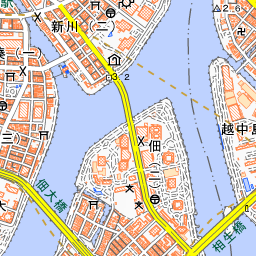

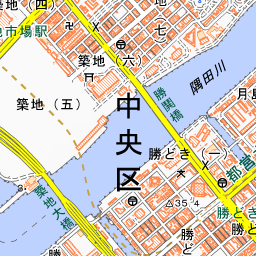
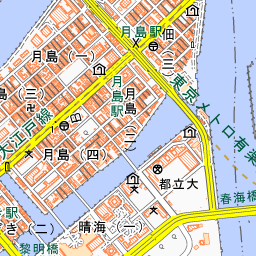
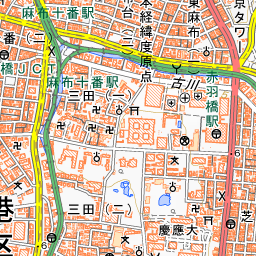
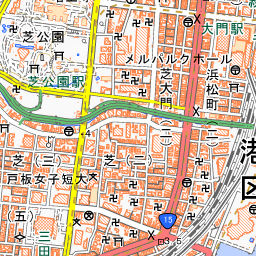
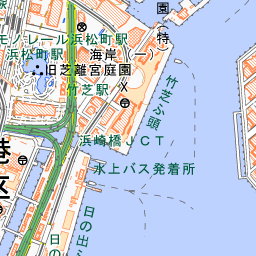
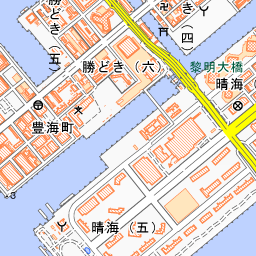
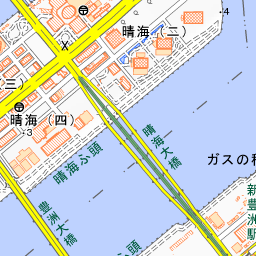
Spot location © OpenStreetMap contributors (ODbL)
Open in Google MapsGuides that include this spot (2)
Use asobot while you walk
- See where you are on the map and find spots nearby
- Listen to the guide's audio in course order, one after another (with subtitles)
- Walk to the next spot while following the map
Open on your phone
Scan to open this spot in asobot on your phone.