 ✨ AI Generated
Ogasawara Marine Center
Japanese: 小笠原海洋センター
Ogasawara Village, Tokyo
This information was written by AI and may contain mistakes. Please check official sources for opening hours, fees, and other details before you go.
Found a mistake? Let us know with “✏️ Something's wrong” on this spot's screen in asobot →
🎧 Audio guide(0:59)
In short
Ogasawara Marine Center is a facility located in Byobudani on Chichijima Island and is commonly known as the "Kame Center" (Turtle Center). Established in 1982, it carries out conservation activities and research on green sea turtles and humpback whales. In its tanks, hatchlings are raised before being released into the ocean.
- Hatchling Tanks: Some of the hatchlings are raised for about six months to one year before being released into the sea.
- Exhibition Hall: Introduces the ecology and evolution of sea turtles, the history of Ogasawara, and the ecology of humpback whales through photographs and panels.
- A Long History of Protecting Sea Turtles: In 1910, Ogasawara pioneered efforts to raise and release hatchlings ahead of the rest of the world.
History and Highlights
Ogasawara Marine Center is a facility located in Byobudani on Chichijima Island. Commonly known as the "Kame Center," it was established in 1982. It specializes in conservation activities and research on wild creatures, particularly green sea turtles and humpback whales. Today, it is operated by the certified non-profit organization Everlasting Nature (ELNA).
Ogasawara is Japan's largest breeding ground for green sea turtles. Green sea turtles can travel more than 2,500 kilometers in a year, but when laying eggs, they always return to the same sandy beach. Egg laying takes place from May to September, and the baby turtles hatch from July to November.
Baby turtles emerging from the sand at night have the habit of heading toward bright light. At Omura Coast, which is closest to the town, hatchlings are drawn toward the lights of the town rather than the sea and end up walking toward the town. For this reason, all eggs laid at Omura Coast and in the center's egg-laying area are moved to the center's hatchery to be protected and incubated.
The history of raising and releasing hatchlings dates back quite far, beginning in Ogasawara in 1910 ahead of the rest of the world. At that time, the project was carried out for 30 years until 1939, but it did not lead to a recovery in numbers. After Ogasawara was returned to Japan, the Tokyo Metropolitan Ogasawara Fisheries Center resumed these efforts in 1973, which were subsequently taken over by Ogasawara Marine Center.
Highlights & Things to Do
- Hatchling Tanks: Many hatchlings are raised in the tanks. The young turtles are released into the sea after being raised for about six months to one year. In addition to hatchlings, the center also keeps green sea turtles ranging from 1 to over 20 years old, as well as loggerhead sea turtles and hawksbill sea turtles.
- Exhibition Hall: Explains the history of Ogasawara, the ecology, evolution, and distribution of sea turtles in an easy-to-understand manner using photographs and panels. It also displays the ecology of humpback whales studied up to this point.
- Interacting with Sea Turtles: There are programs such as experiences feeding the baby turtles and sea turtle classes where you can learn about the surprising ecology of sea turtles.
Tips for Visitors
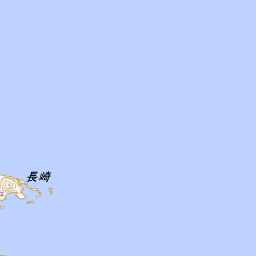
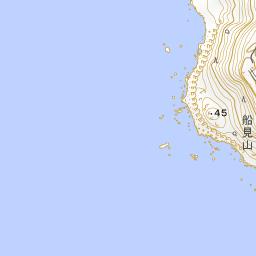
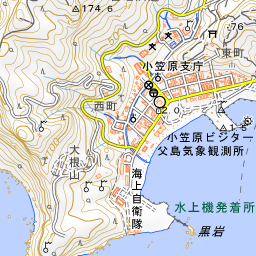
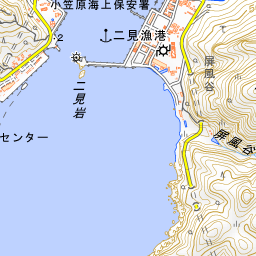
In the sea in front of the center, staghorn corals known as suginokimidoriishi (Acropora muricata) grow in colonies. Because branch corals are very fragile, please be careful not to touch them or stand on them. Of the hatchlings born in the hatchery, some are raised in the center's tanks, and the others are released at Miyanohama Beach or Kopepe Coast on the night they emerge from the sand. From the center, it is about 1.1 kilometers west to Omura Coast, and about 1.3 kilometers west to Ogasawara World Heritage Center.
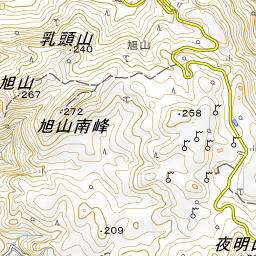

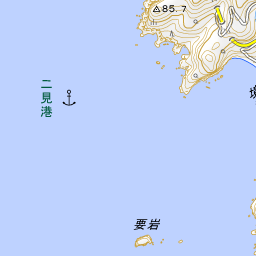
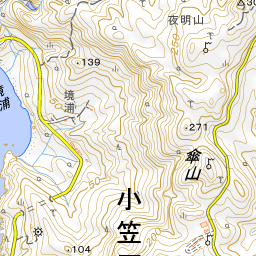
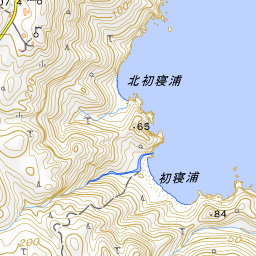
Spot location © OpenStreetMap contributors (ODbL)
Open in Google MapsUse asobot while you walk
- See where you are on the map and find spots nearby
- Listen to the guide's audio in course order, one after another (with subtitles)
- Walk to the next spot while following the map
Open on your phone
Scan to open this spot in asobot on your phone.