 ✨ AI Generated
Butsuryu-ji Temple
Japanese: 仏隆寺
Uda, Nara
This information was written by AI and may contain mistakes. Please check official sources for opening hours, fees, and other details before you go.
Found a mistake? Let us know with “✏️ Something's wrong” on this spot's screen in asobot →
🎧 Audio guide(1:08)
In short
Butsuryu-ji Temple is a temple of the Shingon Buddhism Muro-ji sect located in Haibara-Akabane, Uda City, and is considered the southern gate of Muro-ji Temple. It is said that Kobo Daishi cultivated tea here that he brought back from Tang China, leading to the temple being called the "birthplace of Yamato tea." Next to the stone steps of the approach, a gigantic cherry tree known as the Sennen-zakura (Thousand-Year Cherry Blossom) spreads its branches.
- Sennen-zakura: Over 900 years old, it is one of the largest and oldest cherry trees in the prefecture and a Natural Monument of Nara Prefecture.
- The Beginnings of Yamato Tea: A stone tea mill said to have been brought back by Kobo Daishi is still preserved as a temple treasure.
- Kenne's Stone Chamber: A Heian-period stone chamber said to be the tomb of Kenne is designated as a National Important Cultural Property.
History and Highlights
Butsuryu-ji Temple is located about 4 kilometers southwest of Muro-ji Temple, at the southern foot of Mount Komyogatake. Its principal image of worship is a standing statue of the Eleven-Headed Kannon Bodhisattva (Juichimen Kannon Bosatsu). Belonging to the Shingon Buddhism Muro-ji sect, it is regarded as the southern gate of Muro-ji Temple.
According to temple tradition, it is said to have been founded in the 3rd year of the Kasho era (850) during the Heian period by Kenne, a senior disciple of Kobo Daishi. In the 2nd year of the Kampyo era (890), it is said to have become a Jogaku-ji (a government-designated temple). The present precinct includes the Main Hall, Bell Tower, Gumonji-do hall, and Tsuji-do hall. In addition to the principal image, the Main Hall enshrines statues of Kukai and a seated statue of Kenne, while the Tsuji-do hall enshrines a stone Jizo Buddha statue dating from the end of the Kamakura period.
Butsuryu-ji Temple is also called the "birthplace of Yamato tea." This is because Kobo Daishi is said to have brought back tea seeds and a stone tea mill from Tang China and created a tea garden within the temple grounds. It is also said that Kenne cultivated the tea brought back by Kukai within the temple, which then spread throughout Japan. The stone tea mill is still handed down today as a temple treasure. The stone chamber in the precincts dates from the Heian period and is a National Important Cultural Property; it is handed down as the tomb of Kenne.
The Sennen-zakura on the approach is a giant tree with a root circumference of 7.7 meters and a height of 16 meters. With an estimated age exceeding 900 years, it is designated as a Natural Monument of Nara Prefecture as one of the largest and oldest cherry trees in the prefecture. At about 2 meters above the ground, it branches into 11 trunks of various sizes, with branches spreading vigorously beside the approach. Surveys have revealed it to be a form of Mochizuki-zakura, a hybrid of the Yamazakura and Edohigan cherry trees, making it scientifically valuable as well.
Viewing and Experience Points
- Stone Steps and Sennen-zakura: The Sennen-zakura spreads its branches vigorously over the stone steps of the approach. As you climb the stone steps, observe the 11 large and small trunks dividing 2 meters above the base and the wide expanse of its boughs.
- The Tea Mill and the Tale of Tea: The tea mill, a temple treasure, is said to have been brought back from Tang China by Kobo Daishi. At this temple, which conveys the origins of Yamato tea, you can stroll through the grounds while reflecting on the history of tea.
- Autumn Red Spider Lilies: In autumn, brilliant red spider lilies bloom across the southern slope of the temple, creating a vast carpet of flowers.
Strolling Tips
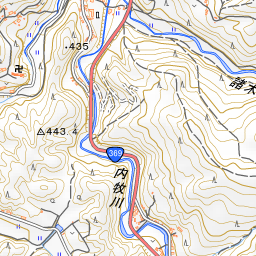
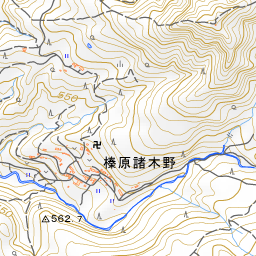
From Kintetsu Haibara Station, take a bus bound for Soni Village Office (Soni-murayakuba) for about 16 minutes, get off at Takai, and walk about 2.2 kilometers (approx. 40 minutes). As bus services are very infrequent, please check the timetable with Nara Kotsu in advance. By car, it is about 5 minutes after turning at the Takai intersection on National Route 369. The Sennen-zakura is generally said to be at its best from early to mid-April. Muro-ji Temple is located approximately 3.8 kilometers northeast of here.


Spot location © OpenStreetMap contributors (ODbL)
Open in Google MapsUse asobot while you walk
- See where you are on the map and find spots nearby
- Listen to the guide's audio in course order, one after another (with subtitles)
- Walk to the next spot while following the map
Open on your phone
Scan to open this spot in asobot on your phone.