 ✨ AI Generated
Kisshoin Tenmangu Shrine
Japanese: 吉祥院天満宮
Minami Ward, Kyoto
This information was written by AI and may contain mistakes. Please check official sources for opening hours, fees, and other details before you go.
Found a mistake? Let us know with “✏️ Something's wrong” on this spot's screen in asobot →
🎧 Audio guide(1:10)
In short
Kisshoin Tenmangu Shrine is a shrine dedicated to Sugawara no Michizane. It was built in the Kisshoin area, which was the domain of three generations of the Sugawara clan during the Heian period, by enshrining the spirit of Michizane at Kisshoin, which was the Sugawara clan's temple. According to shrine tradition, its origin dates back to 934, when Emperor Suzaku personally carved a statue of Michizane and constructed a shrine building to house it.
- Kanko Ena-zuka: Within the grounds is Michizane's ena-zuka (placenta mound), on which a round stone shaped like a navel is placed
- Kisshotennyo-sha Shrine: It is said to have been built to enshrine the principal deity protecting the Sugawara clan, and it is also said to be the origin of the place name Kisshoin
- Kisshoin Rokusai Nembutsu: It is dedicated every year during the spring and summer festivals at the Bugakuden (dance pavilion) on the shrine grounds, and it is designated as a national Important Intangible Folk Cultural Property under the designation of "Kyoto Rokusai Nembutsu"
History and Highlights
Kisshoin Tenmangu Shrine is a shrine dedicated to Sugawara no Michizane. The Kisshoin area was the domain of three generations of the Sugawara clan during the Heian period, and the Tenmangu shrine was built by enshrining the spirit of Michizane at Kisshoin, which was the Sugawara clan's temple. According to shrine tradition, its origin dates back to 934, when Emperor Suzaku personally carved a statue of Michizane and constructed a shrine building to house it. Information from the Minami Ward Office introduces it as the first Tenmangu shrine, founded by imperial decree of Emperor Suzaku. Kyoto City walking maps introduce Kisshoin as the birthplace of Sugawara no Michizane.
There are several legends regarding the beginnings of the temple called Kisshoin, which served as the origin of the Tenmangu shrine. In addition to a tradition that it was founded to mourn Michizane's father, Koreyoshi, and a theory that it was built by his grandfather, Kiyokimi, there is also an account that Koreyoshi encountered a storm while crossing the sea as an envoy to Tang China, escaped disaster through the protection of the goddess Kisshoten, and later built it to enshrine Kisshoten. However, exactly when and how it was established is not certain.
Viewing and Experience Points
- Kanko Ena-zuka: Within the grounds is Michizane's ena-zuka (placenta mound), on which a round stone shaped like a navel is placed.
- Kisshotennyo-sha Shrine: It is said to have been built to enshrine the principal deity protecting the Sugawara clan, and it is also said to be the origin of the place name Kisshoin.
- Kisshoin Rokusai Nembutsu: Every year during the spring and summer festivals, Kisshoin Rokusai Nembutsu is dedicated at the Bugakuden (dance pavilion) on the shrine grounds. Rokusai Nembutsu, a dance performed while chanting Buddhist invocations and sounding gongs and drums, is designated as a national Important Intangible Folk Cultural Property under the designation of "Kyoto Rokusai Nembutsu."
Walking Tips
It is about a 3-minute walk west from the Kisshoin Tenmangu-mae city bus stop. A pair of camphor trees grows in front of the main hall, selected by Kyoto City as "Trees of Ward Residents' Pride." Around the shrine are scattered historical sites associated with the Sugawara clan, including "Kan Shojo Suzuri-no-Mizu," the remains of a well said to have been used by Michizane for his studies in his youth, and the grave of his grandfather, Kiyokimi. About 900 meters to the north-northeast is the Sai-ji Temple Ruins.
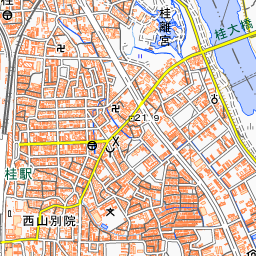
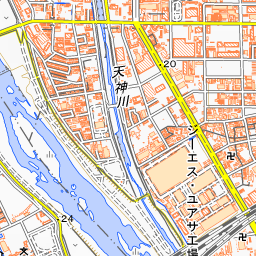
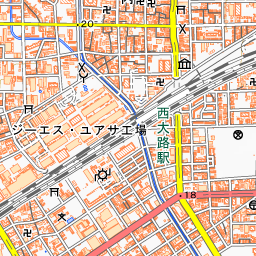
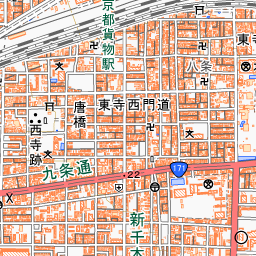
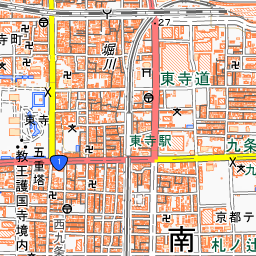
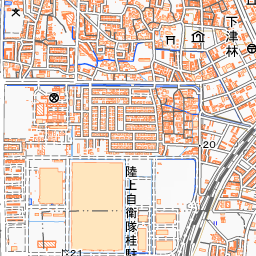
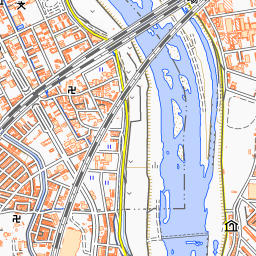
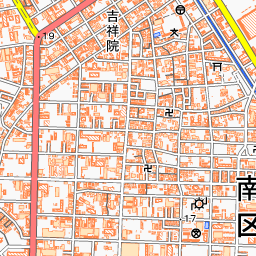
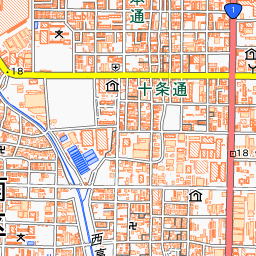
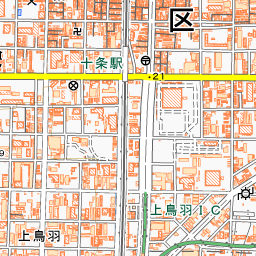
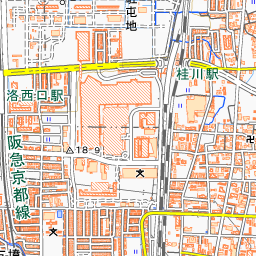
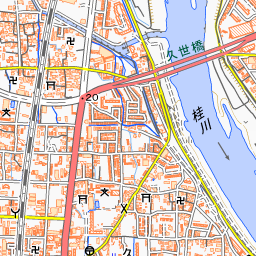

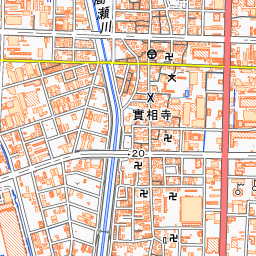
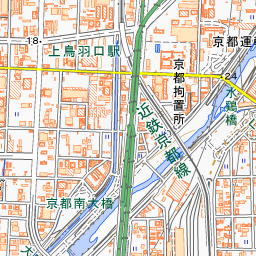
Spot location © OpenStreetMap contributors (ODbL)
Open in Google MapsUse asobot while you walk
- See where you are on the map and find spots nearby
- Listen to the guide's audio in course order, one after another (with subtitles)
- Walk to the next spot while following the map
Open on your phone
Scan to open this spot in asobot on your phone.