 ✨ AI Generated
Mimuroto-ji Temple
Japanese: 三室戸寺
Uji, Kyoto
This information was written by AI and may contain mistakes. Please check official sources for opening hours, fees, and other details before you go.
Found a mistake? Let us know with “✏️ Something's wrong” on this spot's screen in asobot →
🎧 Audio guide(1:04)
In short
Mimuroto-ji Temple is a special head temple (Bekkaku Honzan) of the Honzan Shugenshu sect, nestled in the mountains of Mt. Myojo, and the 10th temple on the Saigoku Kannon Pilgrimage route. According to the temple's legend, in 770, a statue of the Thousand-Armed Kannon that appeared from a pool in a tributary of the Uji River was enshrined as the principal image, and it is handed down that the temple was named "Mimuroto-ji (御室戸寺)." Later, because it became a detached palace for three emperors, the kanji character "御" was changed to "三" (meaning "three"), and it came to be called Mimuroto-ji (三室戸寺).
- Hosho-gyu Bull and Guardian Rabbit: It is said that rubbing the ball inside the mouth of the stone bull in front of the Main Hall brings luck in winning, and that your wish will come true if the egg-shaped stone inside the ball cradled by the guardian rabbit stands upright
- Temple of Flowers: 250 weeping plum trees, azaleas, 20,000 hydrangeas, and 100 varieties of lotus bloom with each season, and it is also called the "Temple of Lotuses"
- Historic Site of Ukifune: Near the Bell Tower stands a stone monument, "Ukifune Historic Site," connected to the Uji Chapters of The Tale of Genji
History and Highlights
Mimuroto-ji Temple is a special head temple (Bekkaku Honzan) of the Honzan Shugenshu sect, nestled in the mountains of Mt. Myojo, and serves as the 10th temple on the Saigoku Kannon Pilgrimage route.
According to the temple's legend, in 770 (the first year of the Hoki era), Emperor Konin dispatched searchers to investigate the source of a golden light that shone into the imperial palace every night. A statue of the Thousand-Armed Kannon is said to have appeared from the waters of a mountain stream in the Shizugawa River, a tributary of the Uji River. It is handed down that the emperor invited the monk Gyohyo, enshrined this statue as the principal image, and named the temple "Mimuroto-ji (御室戸寺)." Later, because it served as a detached palace for three emperors—Konin, Kazan, and Shirakawa—the kanji character "御" was changed to "三" (meaning "three"), giving the temple its current name, Mimuroto-ji (三室戸寺). The principal Kannon statue is a hidden Buddha not open to the public.
The current Main Hall was completed in 1814 (the 11th year of the Bunka era), taking over 30 years from its initial vow to build. The Main Hall, Amida-do Hall, the Bell Tower, and the Three-Story Pagoda are all structures from the Edo period and are designated as cultural properties of Kyoto Prefecture. The Amida-do Hall is said to have been built over the grave of Hino Arinori, the father of Shinran. In addition, the Heian-period statues of the Amida Triad, Shaka Nyorai, and Bishamonten, as well as the Muromachi-period main sanctuary (honden) of Juhachi-jinja Shrine, are designated as Important Cultural Properties of Japan.
Points for Viewing and Experiences
- Hosho-gyu Bull, Guardian Rabbit, and Guardian Snake in Front of the Main Hall: In front of the Main Hall sits a stone bull called "Hosho-gyu." It is said that rubbing the stone ball inside its wide-open mouth brings victory and good fortune. Facing it is a guardian rabbit; it is said that your wish will come true if an egg-shaped stone inside the sphere it cradles stands upright. There is also a statue of Ugajin, depicted with the head of an elderly man and the body of a snake.
- Garden of Flowers: The pond stroll garden and dry landscape rock garden created by landscape architect Nakane Kinsaku were completed in 1989. In the temple precincts, flowers bloom with each passing season: 250 weeping plum trees, Kurume azaleas, Hirado azaleas, 20,000 hydrangeas blooming among cedar groves, and lotuses in front of the Main Hall. Featuring 100 varieties of lotus blooms, it is also called the "Temple of Lotuses."
- Historic Site of Ukifune: Near the Bell Tower stands an old stone monument carved with the words "Ukifune Historic Site." Connected to the Uji Chapters of The Tale of Genji, it was originally a shrine dedicated to Ukifune, but was converted into a stone monument during the Edo period. The temple also preserves the Ukifune Kannon, which is said to have been Ukifune's personal guardian deity.
Walking Tips
The temple is about a 15-minute walk from Mimuroto Station on the Keihan Uji Line. There is a steep slope and stairs leading up to the weeping plum garden, making it inaccessible for wheelchairs. Bringing food and drink onto the grounds and photography using tripods are prohibited. On Saturdays and Sundays from mid-to-late June during the hydrangea season, the parking lots become extremely congested, so visiting by train is recommended. If you wish to learn more about the world of the Uji Chapters, visit The Tale of Genji Museum, Uji City. It is also wonderful to combine your trip with visits along the eastern bank of the Uji River, where Ujigami-jinja Shrine and Uji-jinja Shrine are located.


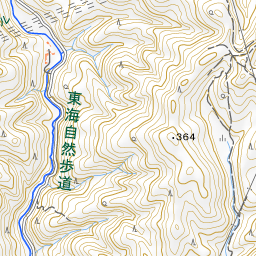


Spot location © OpenStreetMap contributors (ODbL)
Open in Google MapsGuides that include this spot (1)
Use asobot while you walk
- See where you are on the map and find spots nearby
- Listen to the guide's audio in course order, one after another (with subtitles)
- Walk to the next spot while following the map
Open on your phone
Scan to open this spot in asobot on your phone.