 ✨ AI Generated
Fujinomori-jinja Shrine
Japanese: 藤森神社
Fushimi Ward, Kyoto
This information was written by AI and may contain mistakes. Please check official sources for opening hours, fees, and other details before you go.
Found a mistake? Let us know with “✏️ Something's wrong” on this spot's screen in asobot →
🎧 Audio guide(1:11)
In short
An ancient shrine in Fukakusa, Rakunan, Kyoto, where deities have been enshrined since before the relocation of the capital to Heian-kyo. It is said to have originated in the 3rd year of Empress Jingu's regency (203), when she erected grand military battle standards called toki on this land and enshrined the deities. Today, as a guardian deity of victory and horses, it attracts devotion from horse racing professionals and horse lovers alike.
- Kakeuma Shinji (Trick Riding Ritual): A ritual held on May 5 during the Fujinomori Festival on the riding ground along the south approach within the shrine grounds. Riders atop galloping horses demonstrate techniques such as "fuji-sagari," "tazuna-kuguri," and "ichiji-gaki." It is a Kyoto City Registered Intangible Folk Cultural Property
- Main Hall and Auxiliary Shrines: The main hall is a structure that was formerly the Naishidokoro (Kashikodokoro) of the Imperial Palace, bestowed by Emperor Nakamikado in the 2nd year of Shotoku (1712). The auxiliary shrines, Hachimangu Shrine and Daishogun-sha Shrine, were constructed by Ashikaga Yoshinori in the 10th year of Eikyo (1438) and are designated as National Important Cultural Properties
- Hydrangeas and Fuji-no-mizu: During the Hydrangea Festival in June, approximately 3,500 hydrangeas bloom across two hydrangea gardens on the shrine grounds. "Fuji-no-mizu," spring water welling up from about 100 meters underground, is said to bring blessings of victory
History and Highlights
Fujinomori-jinja Shrine is an ancient shrine located in Fukakusa, Rakunan, Kyoto, where deities have been enshrined since before the relocation of the capital to Heian-kyo. It is said to have originated in the 3rd year of Empress Jingu's regency (203), when, after returning triumphantly from Silla, she erected grand military battle standards called toki on this land, interred armaments to build a mound, and enshrined the deities. The Hatazuka mound to the east of the main hall is said to be that very mound.
The central hall of the main hall enshrines seven deities, including Susanoo-no-Mikoto and Empress Jingu; the east hall enshrines two deities, including Prince Toneri, the editor of the Nihon Shoki; and the west hall enshrines three deities, including Prince Sawara. During the Edo period, the Fujinomori Festival, held annually on May 5, was considered the origin of the Iris Festival (Shobu no Sekku), as the Japanese word for iris (shobu) was associated with the martial spirit (shobu) and victory or defeat (shobu). Today, as a guardian deity of victory and horses, it attracts devotion from horse racing professionals and horse lovers alike. It is also deeply revered as a deity of arts and scholarship because it enshrines Prince Toneri, who was renowned for excellence in both literary and martial arts.
Highlights and Experiences
- Kakeuma Shinji (Trick Riding Ritual): A ritual said to model Prince Sawara praying at the shrine and riding out to battle as a conquering general in the first year of Ten'o (781). It is held on May 5 during the Fujinomori Festival on the riding ground along the south approach within the shrine grounds. Riders atop galloping horses demonstrate techniques such as fuji-sagari (hanging down like wisteria), tazuna-kuguri (ducking under the reins), and ichiji-gaki (writing a character). It is a Kyoto City Registered Intangible Folk Cultural Property.
- Main Hall and Auxiliary Shrines: The main hall, a structure that was formerly the Kashikodokoro (Naishidokoro) of the Imperial Palace, was bestowed by Emperor Nakamikado in the 2nd year of Shotoku (1712) in accordance with the testamentary edict of Emperor Gomizunoo, and is a Kyoto City Designated Cultural Property. The auxiliary shrines, Hachimangu Shrine and Daishogun-sha Shrine, were constructed by Ashikaga Yoshinori in the 10th year of Eikyo (1438) and are designated as National Important Cultural Properties.
- Treasure Hall and Fuji-no-mizu: The Treasure Hall exhibits items such as the Murasaki-ito Odoshi Oyoroi (great armor laced with purple silk), an Important Cultural Property, and a modern replica of the Tsurumaru long sword dedicated in recent years. "Fuji-no-mizu," spring water welling up from about 100 meters underground, takes its name from the meaning of "incomparably delicious water," and is said to bring blessings of victory.
Walking Tips
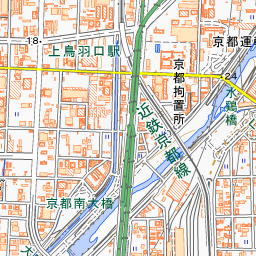
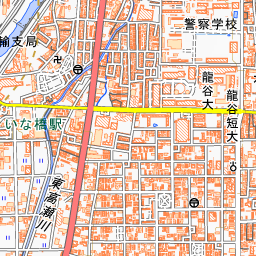
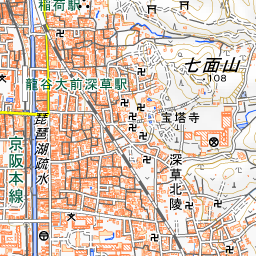
It is about a 5-minute walk from Fujinomori Station on the JR Nara Line, or about 7 minutes from Sumizome Station on the Keihan Main Line. Every year during the Hydrangea Festival in June, approximately 3,500 hydrangeas bloom across two hydrangea gardens on the shrine grounds. The Ichiigashi oak at Hatazuka is affectionately called "Ichinoki-san"; it is said that worshipping here cures lower back pain, and it is told that Kondo Isami at the end of the Edo period also visited and was cured. About 1.5 kilometers to the north is Hoto-ji Temple, and further along is Fushimi Inari-taisha Shrine.
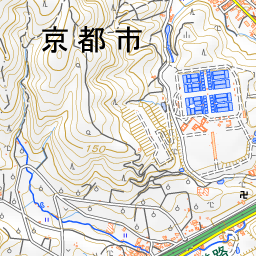
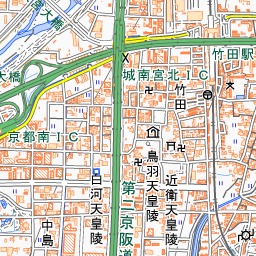
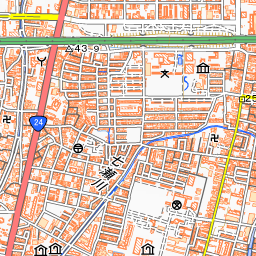
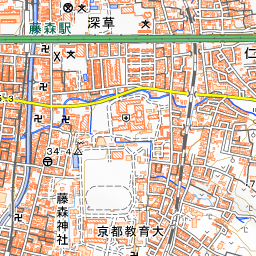
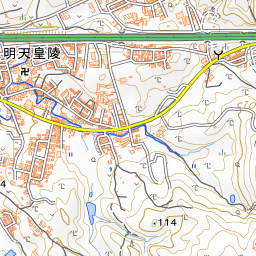
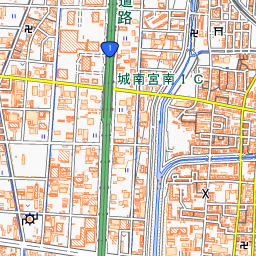
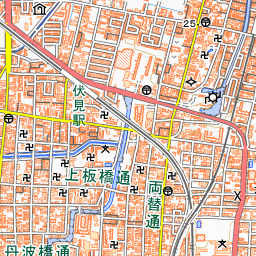
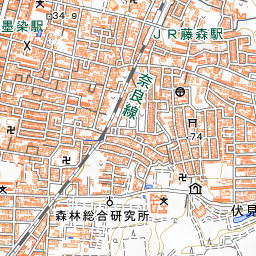
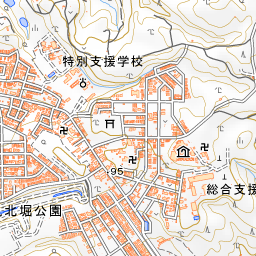
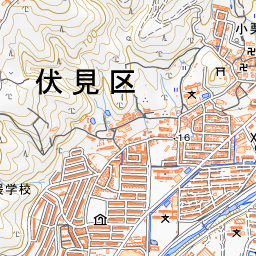
Spot location © OpenStreetMap contributors (ODbL)
Open in Google MapsUse asobot while you walk
- See where you are on the map and find spots nearby
- Listen to the guide's audio in course order, one after another (with subtitles)
- Walk to the next spot while following the map
Open on your phone
Scan to open this spot in asobot on your phone.