 ✨ AI Generated
Shiba Ryotaro Memorial Museum
Japanese: 司馬遼太郎記念館
Higashiosaka, Osaka
This information was written by AI and may contain mistakes. Please check official sources for opening hours, fees, and other details before you go.
Found a mistake? Let us know with “✏️ Something's wrong” on this spot's screen in asobot →
🎧 Audio guide(1:01)
In short
A facility composed of the residence of author Shiba Ryotaro and the memorial museum building constructed adjacent to it, opened in November 2001 in a corner of a residential neighborhood in Higashiosaka City. The memorial museum building was designed by architect Ando Tadao, and the facility is positioned as a memorial museum not so much to "see," but rather to "feel" and "think."
- 11-Meter-High Great Bookcase: Approximately 20,000 volumes line a three-story atrium, in an exhibit intended to give visitors a sense of the world of Shiba's collection of approximately 60,000 books in his residence. A "Dialogue Notebook," where visitors can write freely, is also placed here
- The Study Viewed Through the Window: From the path through the coppice-style garden, visitors can look through the window up close into the study, where fountain pens and the colored pencils used for revisions remain placed just as they were
- Nanohana-ki: The anniversary of his death on February 12 is called "Nanohana-ki" (Rape Blossom Memorial Day), and around that time, rape blossoms are also displayed at the memorial museum and along the neighboring streets
History and Highlights
The Shiba Ryotaro Memorial Museum is a facility composed of the residence of author Shiba Ryotaro and the memorial museum building constructed adjacent to it. It opened in November 2001 in a corner of a residential neighborhood in Higashiosaka City.
Shiba Ryotaro was born in Osaka City in 1923. In 1960, he won the Naoki Prize for Fukuro no Shiro (Owl's Castle), and later received numerous honors, including the Kikuchi Kan Prize for Ryoma ga Yuku and Kunitori Monogatari. He left behind a great number of works, including novels such as Saka no Ue no Kumo, Sekigahara, and Nanohana no Oki, the travelogue series Kaido o Yuku, and the essay collection Kono Kuni no Katachi, before passing away on February 12, 1996.
The memorial museum building is an exposed concrete structure designed by architect Ando Tadao. With one basement level and two floors above ground, it has a simple design tracing gentle curves. Ando designed it based on the concept of "a space of faint light enveloped in darkness, surrounded by books." The facility is positioned as a memorial museum not merely to "see," but rather to "feel" and "think."
Key Sights and Experiences
- 11-Meter-High Great Bookcase: Spanning a three-story atrium, this vast bookshelf displays approximately 20,000 volumes. It is an exhibit intended to give visitors a sense of the world of Shiba's personal collection of approximately 60,000 books stored in his residence. On the table by the bookcase rests a "Dialogue Notebook" where visitors can freely write down what they felt and thought.
- The Study Viewed Through the Window: From the path winding through the coppice-style garden, visitors can look through the window into Shiba Ryotaro's study up close. On the desk, fountain pens and the colored pencils used for revisions remain placed just as they were.
- Coppice-Style Garden: The garden was created based on the image of the mixed woodlands that Shiba Ryotaro loved. Trees such as camphor and sawtooth oak, flowering trees like camellias and magnolias, and flora including dandelions and rape blossoms produce scenery for each of the four seasons.
Tips for Visiting
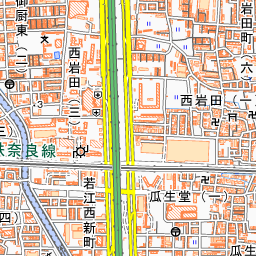
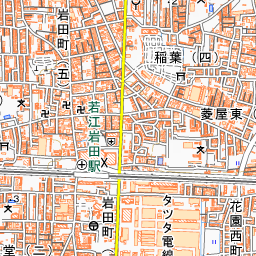
It is about an 8-minute walk from Yaenosato Station on the Kintetsu Nara Line, and about a 12-minute walk from Kawachi-Kosaka Station. Inside the building, there is a self-service cafe where the garden can be seen through glass, allowing visitors to take a break while viewing the grove of trees. The anniversary of his death on February 12 is called "Nanohana-ki" (Rape Blossom Memorial Day). Shiba Ryotaro loved flowers blooming in fields, especially yellow blossoms such as dandelions and rape blossoms. In front of the study, volunteers continue to plant rape blossoms today. Around the anniversary of his death, rape blossoms are also displayed around the memorial museum and along the neighboring streets.
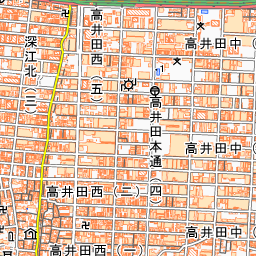
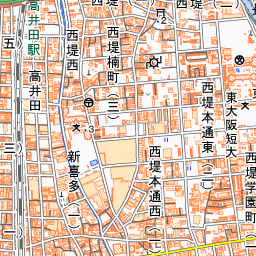
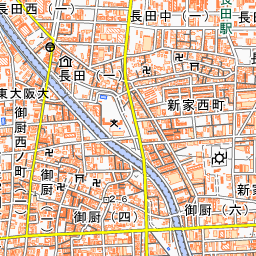
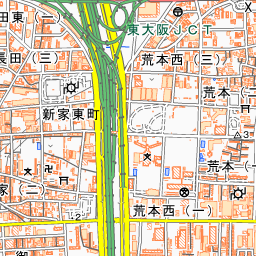
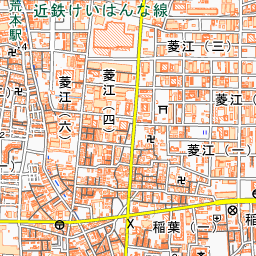
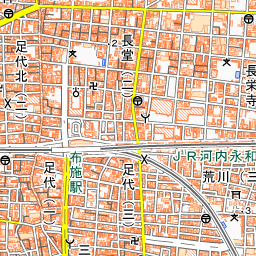
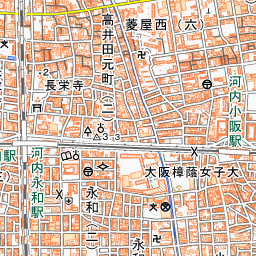
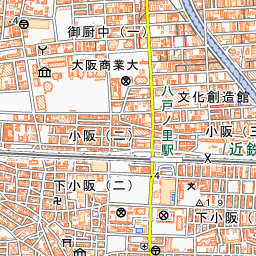
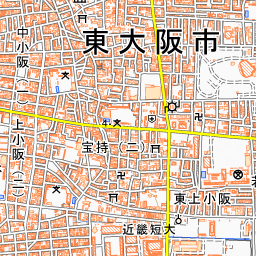
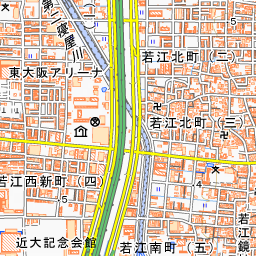
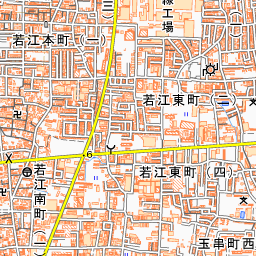
Spot location © OpenStreetMap contributors (ODbL)
Open in Google MapsGuides that include this spot (1)
Use asobot while you walk
- See where you are on the map and find spots nearby
- Listen to the guide's audio in course order, one after another (with subtitles)
- Walk to the next spot while following the map
Open on your phone
Scan to open this spot in asobot on your phone.