 ✨ AI Generated
Josho-ji Temple
Japanese: 常照寺
Kita Ward, Kyoto
This information was written by AI and may contain mistakes. Please check official sources for opening hours, fees, and other details before you go.
Found a mistake? Let us know with “✏️ Something's wrong” on this spot's screen in asobot →
🎧 Audio guide(1:04)
In short
A Nichiren sect temple carrying the mountain name Jakkozan. In 1616 (Genna 2), Hon'ami Koetsu and his son Kosa built a "sanctuary of the Lotus Sutra" on the land of Takagamine and dedicated it to the high priest Nichiken, who named it Jakkozan Josho-ji. Takagamine Danrin, the academy for monks that Nichiken established, was once a center of learning lined with more than 30 buildings, where hundreds of scholar-monks gathered.
- Yoshino-mon Gate: The vermilion-lacquered temple gate, donated by the second-generation Yoshino Dayu, acclaimed as one of the three famous courtesans of the Kan'ei era, as a testament to her deep devotion to Nichiken
- Ihoan Teahouse and the Yoshino Window: Ihoan, a teahouse fitted with a Yoshino window, stands here, and the grounds also hold Yoshino Dayu's grave and an Obi-zuka mound
- Yoshino Dayu Hana Kuyo (Flower Memorial Service): Held every year on the second Sunday of April, with a procession of tayū (Dayu Dochu) from Shimabara, tea-offering memorial services, and tea ceremonies, it is a spring tradition of Kyoto
History and Highlights
Josho-ji Temple, carrying the mountain name Jakkozan, is a temple of the Nichiren sect. In 1615 (Genna 1), Hon'ami Koetsu was granted the land of Takagamine by Tokugawa Ieyasu and moved here along with his clan. The following year, in 1616 (Genna 2), Koetsu and his son Kosa built a "sanctuary of the Lotus Sutra" on this land and dedicated it to the high priest Nichiken, who named it Jakkozan Josho-ji. Nichiken was a scholar monk who served as the 21st head abbot of Kuon-ji Temple on Mount Minobu, and he is revered as one of the three master restorers of the Nichiren sect.
Nichiken established Takagamine Danrin, an academy for monks, at this temple, and lectures began in 1627 (Kan'ei 4). Counted as one of the six danrin academies in the Kansai region, it was once a center of learning lined with more than 30 buildings where hundreds of scholar-monks gathered. The danrin system was abolished during the Meiji period.
Viewing and Experience Highlights
- Yoshino-mon Gate: The vermilion-lacquered temple gate is called "Yoshino-mon" and was donated by the second-generation Yoshino Dayu. Born in Kyoto in 1606 (Keicho 11), she succeeded to the name of Yoshino Dayu at the age of 14 and was acclaimed as one of the three famous courtesans (tayū) of the Kan'ei era. She is also known as the wife of the wealthy merchant Haiya Joeki. Through Koetsu, she became deeply devoted to Nichiken and donated this gate at the age of 23 as a testament to her faith.
- Ihoan Teahouse and the Yoshino Window: Within the grounds stands Ihoan, a teahouse fitted with a round "Yoshino window." It was built in the Taisho period, the year after the formation of the Yoshino-kai association to commemorate Yoshino Dayu, at which time Yoshino cherry trees were also planted throughout the grounds. Yoshino Dayu's grave and an Obi-zuka (mound dedicated to traditional sashes) are also located on the premises.
- Yoshino Dayu Hana Kuyo (Flower Memorial Service): Every year on the second Sunday of April, the "Yoshino Dayu Hana Kuyo" is held in memory of Yoshino Dayu. Featuring a procession of tayū (Dayu Dochu) from Shimabara, tea-offering memorial services, and tea ceremonies, it is an annual spring tradition of Kyoto that attracts many worshippers from various regions.
Tips for Exploring
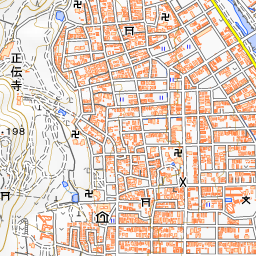
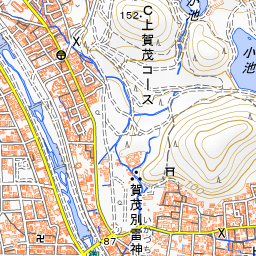
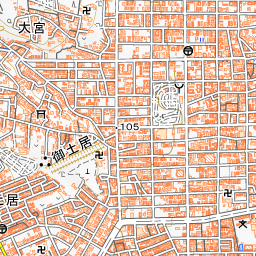
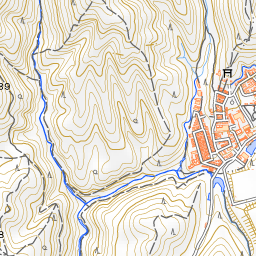
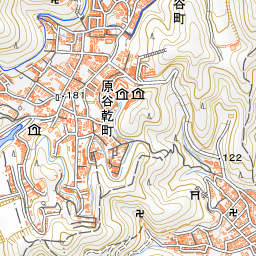
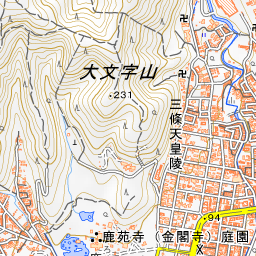
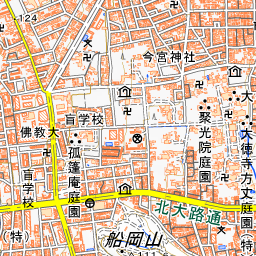
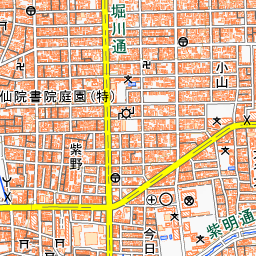
It is about a 2- to 3-minute walk after getting off at the "Takagamine Genkoan-mae" Kyoto City Bus stop. It is also known as a famous cherry blossom spot, and the grounds are colored with blossoms in spring. Located in the same Takagamine area are Genko-an Temple, famous for its round "Window of Enlightenment," and Koetsu-ji Temple, closely connected to Hon'ami Koetsu, both of which are introduced as separate spots.

Spot location © OpenStreetMap contributors (ODbL)
Open in Google MapsGuides that include this spot (1)
Use asobot while you walk
- See where you are on the map and find spots nearby
- Listen to the guide's audio in course order, one after another (with subtitles)
- Walk to the next spot while following the map
Open on your phone
Scan to open this spot in asobot on your phone.