 ✨ AI Generated
Anao-ji Temple
Japanese: 穴太寺
Kameoka, Kyoto
This information was written by AI and may contain mistakes. Please check official sources for opening hours, fees, and other details before you go.
Found a mistake? Let us know with “✏️ Something's wrong” on this spot's screen in asobot →
🎧 Audio guide(1:04)
In short
Anao-ji Temple is a Tendai sect temple in Sogabe-cho, Kameoka City, and the 21st temple of the Saigoku Kannon Pilgrimage. According to temple tradition, it is said to have been founded in 705 (Keiun 2) by Otomo no Komaro, making it one of the oldest temples in Tamba.
- Migawari Kannon (Substitute Kannon): The principal image of Sho Kannon is a hidden Buddha, and the "Konjaku Monogatarishu" contains a story in which it took an arrow in place of a Buddhist sculptor
- Nade-botoke Shaka Reclining Statue: A wooden reclining statue said to cure illness if you stroke the part of it matching an ailing part of your own body and then stroke your own body with that hand. It is a cultural property of Kameoka City
- Garden designated as a Place of Scenic Beauty by Kyoto Prefecture: A pond garden set against the backdrop of the main hall and the tahoto pagoda, counted as one of the famous gardens of Tamba
History and Highlights
Anao-ji Temple is a Tendai sect temple located in Sogabe-cho, Kameoka City, with the mountain name (sangō) Bodaisan. It is the 21st pilgrimage temple of the Saigoku Kannon Pilgrimage (Saigoku 33 temples), and its principal image is Sho Kannon Bodhisattva. According to temple tradition, it is said to have been founded in 705 (Keiun 2) during the reign of Emperor Monmu by Otomo no Komaro, making it one of the oldest temples in Tamba.
The principal image of Sho Kannon, housed in the zushi (miniature shrine) of the main hall, is a hidden Buddha (hibutsu) and is known as the "Migawari Kannon" (Substitute Kannon). A tale in the "Konjaku Monogatarishu," compiled at the end of the Heian period, recounts the following story: A district official (gunji) of Tamba Province commissioned a Buddhist sculptor from the capital to carve a Kannon statue and gave him a cherished, prized horse in gratitude. However, regretting the gift of the horse, the official ordered his retainers to shoot the sculptor with arrows. Yet the sculptor was unharmed, and an arrow was found piercing the chest of the Kannon statue. The Kannon statue had taken the arrow as a substitute for the sculptor. It is told that the official deeply repented and came to believe in the Buddhist teachings.
The temple was burned down multiple times in warfare and other events, but it was rebuilt each time. The current main hall, tahoto (two-storied pagoda), and other structures were reconstructed from the middle to the late Edo period.
Viewing and Experience Highlights
- Nade-botoke Shaka Reclining Statue: Housed in the main hall is a wooden reclining statue depicting the historical Buddha entering Nirvana. It is said that if you stroke the part of the statue corresponding to an ailment on your own body, and then stroke your own body with that hand, the illness will be cured. Stroked by many people, the wood surface of the statue shines with a smooth luster. It is designated as a cultural property of Kameoka City.
- Garden Designated as a Place of Scenic Beauty by Kyoto Prefecture: The pond garden set against the backdrop of the main hall and the tahoto pagoda is counted as one of the famous gardens of Tamba, and is designated as a Place of Scenic Beauty by Kyoto Prefecture. The view of the western garden at sunset is also magnificent.
- Tahoto Pagoda and Precinct Buildings: Within the grounds stand the main hall, tahoto pagoda, and shoin (drawing room), among others. Reconstructed during the Edo period, these buildings convey the serene appearance of an ancient temple to this day.
Tips for Exploring
During the winter months from early December to early March, viewing is limited to the main hall only, and the garden cannot be viewed. If you wish to see the garden as well, it is best to visit between spring and autumn. Every year on August 9 during the Shoryo-e festival, part of the temple treasures is put on public display alongside the shoin and garden.
From JR Kameoka Station, take a Keihan Kyoto Kotsu bus to the "Anao-ji-mae" bus stop, and the temple is right nearby. In autumn, you can also combine your visit with the Yume Cosmos Garden, located in the same Sogabe-cho.


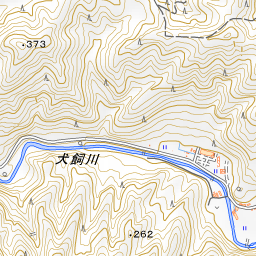
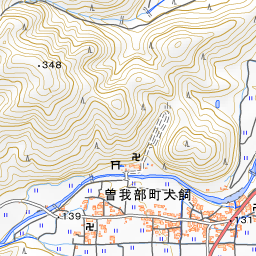


Spot location © OpenStreetMap contributors (ODbL)
Open in Google MapsUse asobot while you walk
- See where you are on the map and find spots nearby
- Listen to the guide's audio in course order, one after another (with subtitles)
- Walk to the next spot while following the map
Open on your phone
Scan to open this spot in asobot on your phone.