 ✨ AI Generated
Shijonawate-jinja Shrine
Japanese: 四條畷神社
Shijonawate, Osaka
This information was written by AI and may contain mistakes. Please check official sources for opening hours, fees, and other details before you go.
Found a mistake? Let us know with “✏️ Something's wrong” on this spot's screen in asobot →
🎧 Audio guide(1:13)
In short
A shrine located at the foot of Mt. Iimori, whose main deity is Kusunoki Masatsura, who fell in the Battle of Shijonawate during the Nanboku-cho period; it also enshrines 24 generals and warriors of his clan who laid down their lives in the same battle. Masatsura was the eldest son of Kusunoki Masashige, and he is still warmly remembered by many today as "Shonanko." The enshrinement ceremony (Go-chinza-sai) took place on April 5 of the 23rd year of the Meiji period (1890).
- The Original Main Sanctuary and the Torii Gate from Ise Jingu Shrine: The main sanctuary remains just as it was when first constructed in the 23rd year of the Meiji period, and the torii gate in front of it was bestowed by Ise Jingu Shrine in the 2nd year of the Heisei period on the occasion of the 100th anniversary of the enshrinement
- Shrine Enshrining the Mother: A shrine dedicated to the mother who raised and guided Masatsura properly draws many prayers related to child-rearing, such as for safe childbirth and hatsumiyamoude (a baby's first shrine visit)
- Prayer Climbing on Mt. Iimori: Visitors write their wishes on wooden slips called "negaifuda," pray at the main sanctuary, and then climb the mountain to hold up their slips before the bronze statue of Masatsura on the summit, in a practice known as "prayer climbing" (gankake tozan)
History and Highlights
Shijonawate-jinja Shrine is located at the foot of Mt. Iimori in Shijonawate City. Its main deity is Kusunoki Masatsura, who fell in the Battle of Shijonawate during the Nanboku-cho period, and it also enshrines 24 generals and warriors of his clan who laid down their lives in the same battle. Masatsura was the eldest son of Kusunoki Masashige, also known as Dainanko. Masatsura is celebrated as a great commander embodying both loyalty and filial piety, and he is still warmly remembered by many today as "Shonanko."
According to the shrine's history, Masatsura resolved to die in the face of a massive army of 80,000 led by Ko no Moronao and others, composed a farewell poem (jisei no uta), and went forth to battle. In Shohei 3 (1348), he marched north with 3,000 troops and broke through Moronao's vanguard stationed in Nozaki. However, deceived by a body double, he missed the chance to capture Moronao. According to tradition, he and his younger brother Masatoki fatally pierced each other with their swords, ending his life at the young age of 23.
In the Meiji period, the priests of Sumiyoshi Hirata-jinja Shrine and others petitioned to build a shrine on this site, and permission along with the shrine name were granted in the 22nd year of the Meiji period (1889). Local residents contributed by donating land, carrying soil, and piling stones, and on April 5 of the 23rd year of the Meiji period (1890), the enshrinement ceremony (Go-chinza-sai) took place.
Points for Viewing and Experiencing
- The Original Main Sanctuary and the Torii Gate from Ise Jingu Shrine: The honden (main sanctuary) remains just as it was when first constructed in the 23rd year of the Meiji period (1890). The torii gate in front of the main sanctuary was bestowed by Ise Jingu Shrine in the 2nd year of the Heisei period (1990) on the occasion of the 100th anniversary of the enshrinement. The grounds feature many cherry and maple trees, adding color with the changing seasons.
- Sites Enshrining the Mother and Cousin: Within the grounds is a shrine dedicated to Masatsura's mother, who raised and guided him properly, drawing many prayers related to child-rearing, such as for safe childbirth and hatsumiyamoude (a baby's first shrine visit). About 200 meters north of the first torii gate lies the grave of Masatsura's cousin, a warrior of the Wada family. Due to a story that he bit into the neck of an enemy commander and would not let go, he is revered as a guardian deity of teeth.
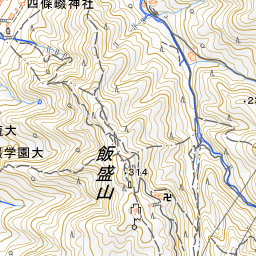
- Prayer Climbing on Mt. Iimori: On the summit of Mt. Iimori, located to the east of the shrine, stands a bronze statue of Masatsura departing for battle. Visitors write their wishes on wooden slips called "negaifuda," pray at the main sanctuary, and then climb the mountain to hold up their slips before the bronze statue in a practice known as "prayer climbing" (gankake tozan).
Tips for Strolling Around
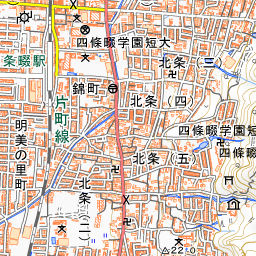
The shrine is about 1 kilometer east of Shijonawate Station on the JR Gakkentoshi Line, about a 20-minute walk. Continuing straight west along the approach (sando) for about 1 kilometer leads to the dead end where Masatsura's burial site, the Shonanko Grave, is located. Two camphor trees have grown together around the monument into a single large tree, estimated to be around 600 years old, designated as a Natural Monument of Osaka Prefecture. An annual festival is held every year on February 12, the anniversary of Masatsura's death. It is also enjoyable to combine a visit here with the ruins of Iimoriyama Castle across the summit area and Nozaki Kannon Temple, located about 1.5 kilometers to the south-southwest.
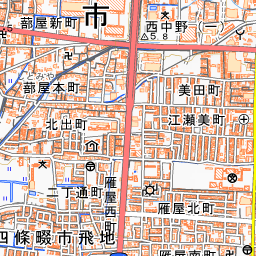
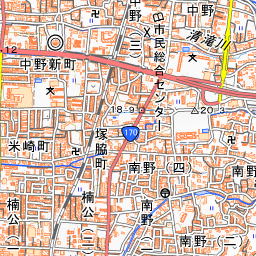
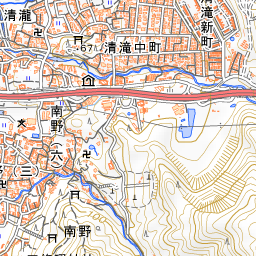
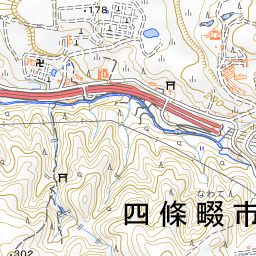
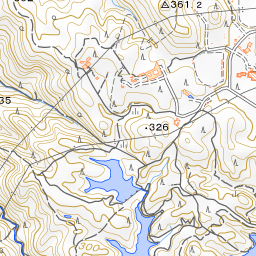
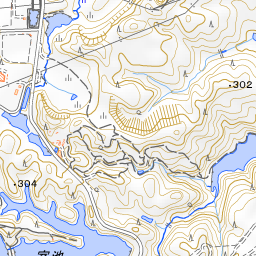
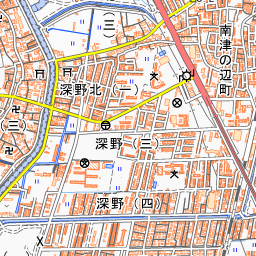
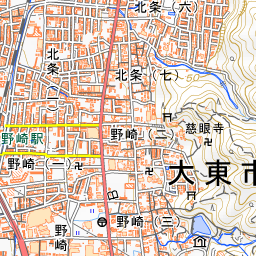
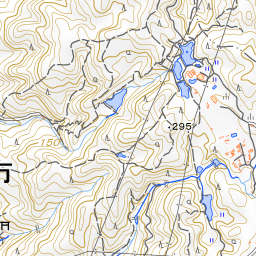
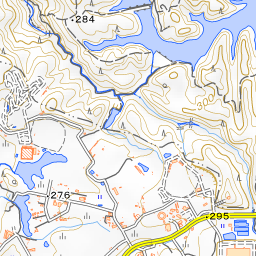
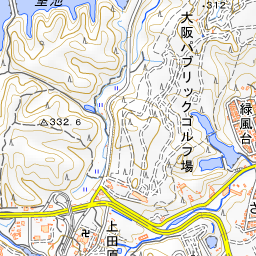
Spot location © OpenStreetMap contributors (ODbL)
Open in Google MapsGuides that include this spot (1)
Use asobot while you walk
- See where you are on the map and find spots nearby
- Listen to the guide's audio in course order, one after another (with subtitles)
- Walk to the next spot while following the map
Open on your phone
Scan to open this spot in asobot on your phone.