 ✨ AI Generated
Paper Museum
Japanese: 紙の博物館
Kita City, Tokyo
This information was written by AI and may contain mistakes. Please check official sources for opening hours, fees, and other details before you go.
Found a mistake? Let us know with “✏️ Something's wrong” on this spot's screen in asobot →
🎧 Audio guide(1:02)
In short
Located inside Asukayama Park, this is a comprehensive museum dedicated exclusively to paper. It introduces the history, culture, and industry of paper from the two perspectives of traditional Japanese paper, washi, and Western-style paper, yoshi, which supported the development of modern Japan. It was founded in 1950 in Oji, an area known as the "birthplace of Western-style paper in Japan."
- History of the Birthplace of Western-Style Paper: Trace the history of Oji and papermaking stemming from the "Shoshi Kaisha," which was founded under the proposal and leadership of Shibusawa Eiichi.
- A Giant Rag Boiler: This large boiler was used in the early Meiji period to produce pulp from cotton rags and other fabric scraps. It is the first thing that catches your eye upon entering.
- Washi and Papermaking: In addition to introducing the history and regional production centers of washi, the museum holds papermaking workshops where visitors can make postcards and bookmarks from recycled milk cartons.
History and Highlights
The Paper Museum is one of the few comprehensive museums in the world dedicated to paper, presenting its history, culture, and industry through both washi and Western-style paper. It preserves, exhibits, and opens to the public 40,000 reference materials and 15,000 books.
Oji's reputation as the "birthplace of Western-style paper" dates back to events at the beginning of the Meiji period. In 1873, Shoshi Kaisha was established through the proposal and leadership of Shibusawa Eiichi, and in 1875, a large-scale Western-style paper mill opened in Oji. This mill later became the Oji Mill of Oji Paper and continued operating for approximately 70 years until it sustained damage and was closed during air raids toward the end of the Pacific War. It is said that Shibusawa built his residence on Asukayama because it overlooked this mill.
The museum originated in 1950. Using the surviving electrical substation building of the Oji Mill that had escaped destruction by fire, the Paper Memorial Museum was founded as its predecessor. In 1998, it reopened in Asukayama Park, and in 2007, the entire collection was designated as a component of the "Heritage of Industrial Modernization" by the Ministry of Economy, Trade and Industry.
Viewing and Experience Highlights
- 2nd Floor Machinery and "Paper and Industry": Upon entering, the giant rag boiler immediately catches your eye. This boiler was used to produce pulp—a collection of plant fibers—from cotton and other rags (scrap cloth), which were the primary raw materials for paper in the early Meiji period, and surviving examples are rare. The "Paper and Industry" exhibition room introduces the history of the modern papermaking industry as well as raw materials and manufacturing processes.
- 4th Floor "Washi and Culture": This section introduces the origin and spread of paper, the history and production process of washi, and surviving production areas throughout Japan. Among the washi cultural collection, the Hyakumanto Darani of 770 is one of the oldest surviving printed materials whose publication date is known.
- 3rd Floor "Paper Classroom" and Papermaking: This floor introduces the basics and recycling of paper for elementary school children. In the papermaking workshop, you can make handmade postcards and bookmarks using materials recycled from milk cartons.
Tips for Exploring
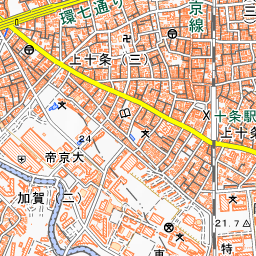
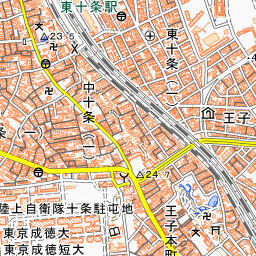
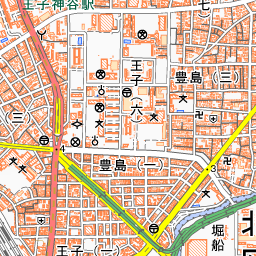
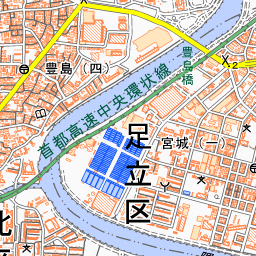
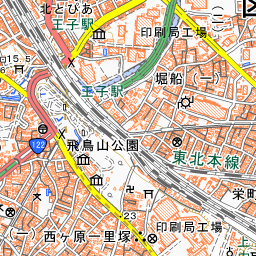
The museum is about a 5-minute walk from the South Exit of JR Oji Station, via a route that requires climbing the stairs of a footbridge crossing the railway tracks. It is about a 3-minute walk from the Asukayama stop on the Tokyo Sakura Tram (Toden Arakawa Line). The entrance is on the 2nd floor, with distinct themes on each level. In the outdoor garden beside the museum, you can see plants used as raw materials for paper.
As one of the "Three Asukayama Museums," it is located very close to the Shibusawa Memorial Museum and the Kita City Asukayama Museum. You can enjoy walking in Asukayama Park, and learn about the history of banknotes at the Banknote and Postage Stamp Museum, located about 500 meters to the north.
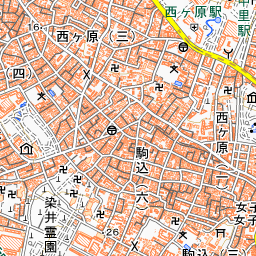
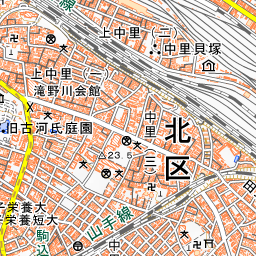
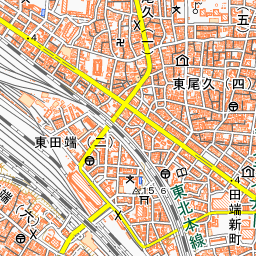
Spot location © OpenStreetMap contributors (ODbL)
Open in Google MapsUse asobot while you walk
- See where you are on the map and find spots nearby
- Listen to the guide's audio in course order, one after another (with subtitles)
- Walk to the next spot while following the map
Open on your phone
Scan to open this spot in asobot on your phone.