 ✨ AI Generated
Ukimi-do Hall
Japanese: 浮見堂
Nara City, Nara
This information was written by AI and may contain mistakes. Please check official sources for opening hours, fees, and other details before you go.
Found a mistake? Let us know with “✏️ Something's wrong” on this spot's screen in asobot →
🎧 Audio guide(1:02)
In short
Ukimi-do Hall is a hexagonal wooden pavilion with a cypress bark roof (hiwadabuki) that floats on Sagi-ike Pond in Nara Park. Built in 1916 (Taisho 5), it took on its current appearance through restoration work carried out between 1991 and 1994 (Heisei 3 to 6). It is a relaxing waterside spot known for its beautiful reflection on the surface of the pond. Surrounding it is Asajigahara Enchi, a quiet scenic area stretching south of the Kasuga approach.
- A hall reached by crossing a bridge: You can cross a wooden bridge to enter the hall. Although called a "hall" (do), there are no religious objects enshrined inside.
- Seasons reflected on the water: You can enjoy views for each season, with cherry blossoms blooming along the banks reflecting on the pond in spring, colorful autumn foliage, and snowy landscapes in winter.
- Morning mist: Early in the morning, it is enveloped in mist rising from the pond, creating an ethereal atmosphere.
History and Highlights
Sagi-ike Pond, on which Ukimi-do Hall floats, was completed in 1908 (Meiji 41) as Horai Pond. Boats began to appear on the pond around 1911 (Meiji 44), and Ukimi-do Hall was built in 1916 (Taisho 5). Photographs from the early Taisho period show boats, but Ukimi-do Hall is not yet present.
It is a hexagonal wooden arbor with a cypress bark roof. Although called a "hall," there are no religious objects enshrined inside. It is cherished as a relaxing spot where visitors can enjoy its reflection on the water's surface. It was restored in 1966 (Showa 41), and later, due to aging, underwent approximately three years of restoration work from 1991 (Heisei 3) to 1994 (Heisei 6). Its current appearance was revived during this project.
The surrounding area is Asajigahara Enchi. Located on the hilly terrain south of the Kasuga approach, it is a quiet, scenic spot with varied topography. It also features the Kataoka Plum Grove, a long-established destination for plum blossoms. According to the explanations of Himuro-jinja Shrine, the icehouses of the Nara period are estimated to have been located in this Asajigahara area overlooking Ara-ike and Sagi-ike ponds. Information regarding Nara Park as a whole is covered in the entry for "Nara Park."
Viewing and Experience Highlights
- Crossing the bridge to the hall: Crossing the wooden bridge allows you to step inside the hall. In autumn, you can view the vibrant fall colors of Nara Park from here.
- Cherry blossoms and autumn foliage reflected on the water: In spring, cherry blossoms blooming along the shore reflect on the pond, allowing you to gaze at a double view of the blossoms. During the cherry blossom season, it is sometimes lit up at night. In autumn, the surrounding autumn leaves are mirrored on the pond, allowing you to capture deer, Ukimi-do Hall, and the colorful leaves together in photographs.
- Morning mist and winter scenery: Early in the morning, the pond is enveloped in mist rising from the water, creating a dreamlike atmosphere. In winter, you can enjoy snowy landscapes, and snow-capped mountain peaks are sometimes reflected on the water's surface.
Walking Tips
Walking from Kasuga-taisha Shrine through the woods of Asajigahara leads directly to Ukimi-do Hall at the end of the path. Combining your visit with Kasuga-taisha Shrine provides a natural walking route. It is about a 20-minute walk from Kintetsu-Nara Station and about 330 meters south of Nara National Museum. From the shores of the pond, you can also view Mt. Takamado. There is also a rest shelter called Kawamata-tei in the park grounds.
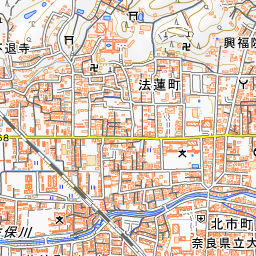
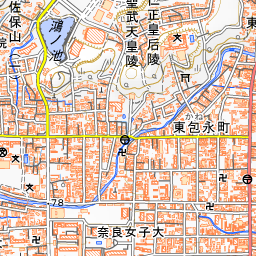
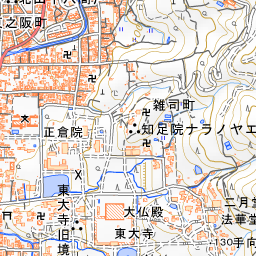
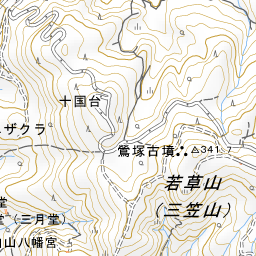
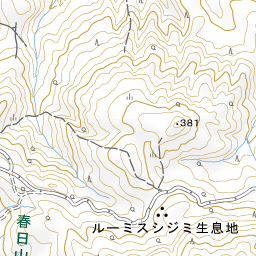

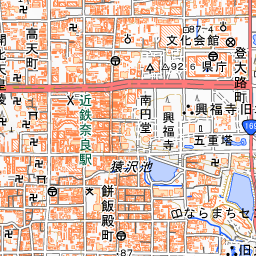
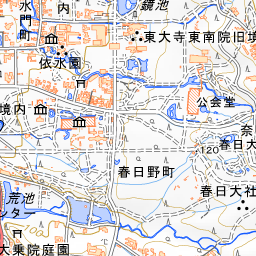
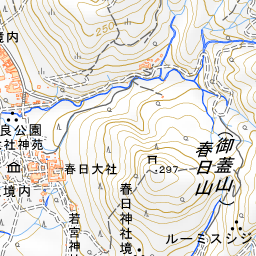
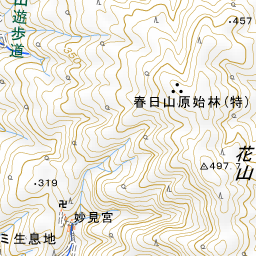
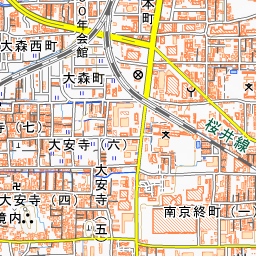
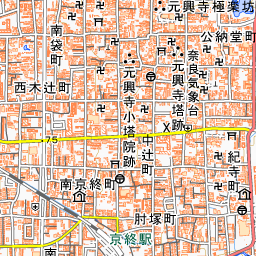
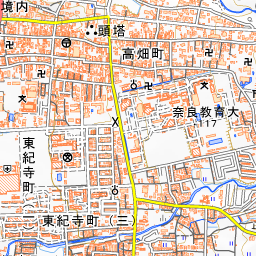
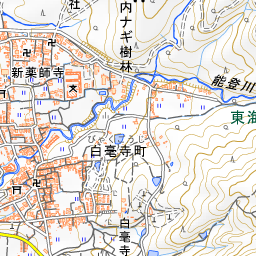
Spot location © OpenStreetMap contributors (ODbL)
Open in Google MapsUse asobot while you walk
- See where you are on the map and find spots nearby
- Listen to the guide's audio in course order, one after another (with subtitles)
- Walk to the next spot while following the map
Open on your phone
Scan to open this spot in asobot on your phone.