 ✨ AI Generated
Rikyu Hachimangu Shrine
Japanese: 離宮八幡宮
Oyamazaki Town, Kyoto
This information was written by AI and may contain mistakes. Please check official sources for opening hours, fees, and other details before you go.
Found a mistake? Let us know with “✏️ Something's wrong” on this spot's screen in asobot →
🎧 Audio guide(1:08)
In short
A shrine standing right in front of JR Yamazaki Station, facing the Saigoku Kaido highway. Its origins are said to date back to the Jogan era at the beginning of the Heian period, when the monk Gyokyo of Daian-ji Temple in Nara received and enshrined a divided spirit of the deity of Usa Hachiman from Buzen Province, and because the Kaya Imperial Villa, built by Emperor Saga, once stood here, it was given this name.
- Statue of the Oil Ancestor and the History of Oil: During the Heian period, a shrine priest devised a pressing tool called "Nagaki" to extract oil from perilla (egoma) seeds, which is traditionally regarded as the beginning of oil manufacturing in Japan. To the right of the torii gate stands a statue of a shrine priest dedicating a container of perilla oil
- Early Showa Era Shrine Buildings: The current main sanctuary (honden) was built in 1928 (Showa 3) in a medieval-revival design, and the main sanctuary, worship hall (haiden), and other buildings are Registered Tangible Cultural Properties of Japan. The Documents of Oyamazaki Rikyu Hachimangu are designated as an Important Cultural Property of Japan
- The Iwashimizu Well: According to tradition, Gyokyo chose this site where pure water welled up to enshrine the Hachiman deity, and a well called "Iwashimizu" remains to the left of the main sanctuary
History and Highlights
Rikyu Hachimangu Shrine stands right in front of JR Yamazaki Station, facing the Saigoku Kaido highway. Its origins are said to date back to the Jogan era at the beginning of the Heian period, when the monk Gyokyo of Daian-ji Temple in Nara received and enshrined a divided spirit of the deity of Usa Hachiman from Buzen Province at this location. Because the Kaya Imperial Villa, built by Emperor Saga, once stood here, the shrine was given the name Rikyu Hachimangu.
This shrine is deeply connected to the history of oil. During the Heian period, a shrine priest is said to have devised a pressing tool called "Nagaki" to extract oil from perilla (egoma) seeds, which is traditionally regarded as the beginning of oil manufacturing in Japan. In the Kamakura period, an oil guild (abura-za) was formed, and the shrine flourished greatly as the guild's meeting place. By the Muromachi period, Oyamazaki oil was sold with a monopoly extending from northern Kyushu in the west to Mino in the east, and Oyamazaki developed as an autonomous town. Conditions during that era are also depicted in Shiba Ryotaro's novel Kunitori Monogatari.
Viewing and Experience Highlights
- Statue of the Oil Ancestor and the History of Oil: To the right of the torii gate stands a statue of a shrine priest dedicating a container of perilla oil, along with a sign board depicting the oil-pressing tools. A half-scale model of the pressing tool dedicated to the shrine is put on public display during festivals.
- Early Showa Era Shrine Buildings: The large shrine pavilions from the Edo period were burned down in 1864 during the Kinmon Incident (Genji 1). The current main sanctuary (honden) was rebuilt in 1928 (Showa 3) in a medieval-revival design. The main sanctuary, worship hall (haiden), middle gate (chumon), see-through fence (sukibei), purification pavilion (temizusho), and Kotengu Shrine are Registered Tangible Cultural Properties of Japan. The Documents of Oyamazaki Rikyu Hachimangu, which record the prosperity and turbulent history of Oyamazaki, are designated as an Important Cultural Property of Japan.
- The Iwashimizu Well and Somon Gate: According to tradition, Gyokyo chose this site where pure water welled up to enshrine the Hachiman deity, and a well called "Iwashimizu" remains to the left of the main sanctuary. The Somon Gate and the Higashimon (East) Gate date from the Edo period and are designated as cultural properties of Oyamazaki Town.
Walking Tips
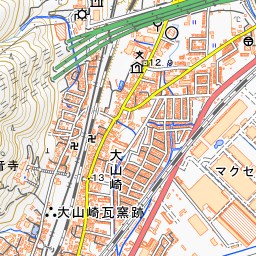
The shrine is just steps from JR Yamazaki Station, and about a 5-minute walk from Hankyu Oyamazaki Station. In front of the station is Myoki-an Temple, home to the Tai-an Teahouse, a National Treasure. Visiting the Oyamazaki Town Historical Museum as well allows you to trace the history of Oyamazaki's oil and local autonomy. Within the shrine grounds, perilla oil and amulets inscribed with "Yudan Taiteki" (meaning "carelessness is the greatest enemy," playing on the word abura for oil) are also available.
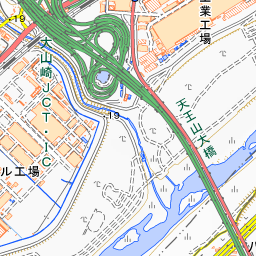
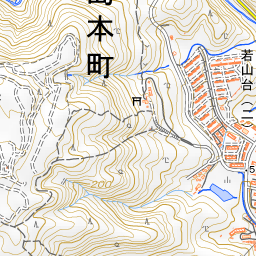
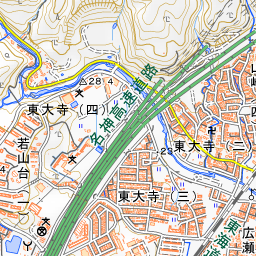
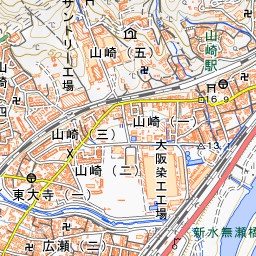
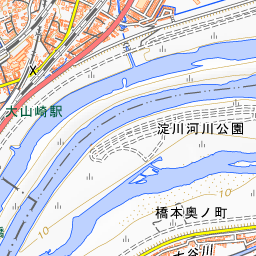
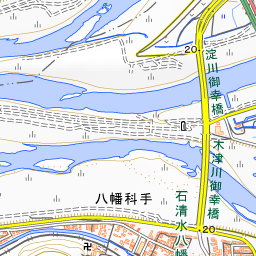
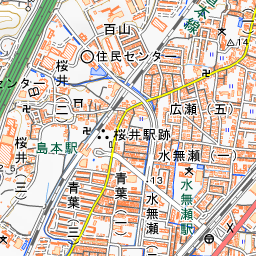
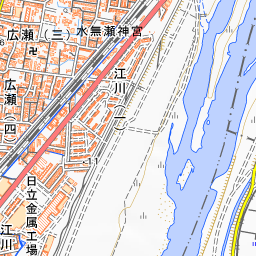
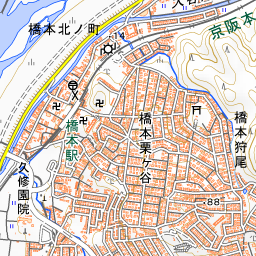
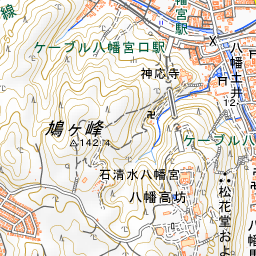
Spot location © OpenStreetMap contributors (ODbL)
Open in Google MapsGuides that include this spot (1)
Use asobot while you walk
- See where you are on the map and find spots nearby
- Listen to the guide's audio in course order, one after another (with subtitles)
- Walk to the next spot while following the map
Open on your phone
Scan to open this spot in asobot on your phone.