 ✨ AI Generated
Uji-jinja Shrine
Japanese: 宇治神社
Uji, Kyoto
This information was written by AI and may contain mistakes. Please check official sources for opening hours, fees, and other details before you go.
Found a mistake? Let us know with “✏️ Something's wrong” on this spot's screen in asobot →
🎧 Audio guide(1:16)
In short
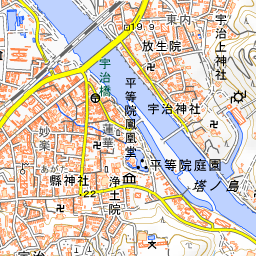
Uji-jinja Shrine stands on the right bank of the Uji River, upstream from Uji Bridge. Its enshrined deity is Uji-no-Wakiiratsuko-no-Mikoto, the son of the 15th Emperor Ojin, and the shrine draws worship as a place of the deity of academic achievement and passing exams.
- The looking-back rabbit (Mikaeri Usagi): From the legend that a rabbit guided the lost prince, looking back again and again, the rabbit is revered as a divine messenger that guides people to the right path. The water purification pavilion (temizuya) along the approach also features a rabbit motif
- The Important Cultural Property main hall and deity statue: The main hall is a building in the three-bay nagare-zukuri style with a cypress bark roof, built in the Kamakura period. Enshrined in the center of the hall is a wooden deity statue of Uji-no-Wakiiratsuko-no-Mikoto. Both are National Important Cultural Properties
- Ties to Uji tea: During the Uji Tea Festival, the head priest of Uji-jinja Shrine conducts the "Famous Water Drawing Ritual" at San-no-ma on Uji Bridge. On the grounds is a haiku monument by Shushiki, a haiku poet of the mid-Edo period
History and Highlights
Uji-jinja Shrine is a shrine situated on the right bank of the Uji River, upstream from Uji Bridge. Its enshrined deity is Prince Uji-no-Wakiiratsuko-no-Mikoto, the son of the 15th Emperor Ojin. Known to have been wise from a young age, he is said to have pursued and mastered scholarship under Wani and Achiki from Baekje, and is worshipped as a deity of academic achievement and passing exams.
This area is said to be the former site of Emperor Ojin's detached palace, Kirihara Higeta-no-Miya, as well as the former residence of the prince. According to the shrine's origins, the prince took his own life here in order to cede the imperial throne to his elder brother Osazaki-no-Mikoto (later Emperor Nintoku), and the shrine is said to have begun when his spirit was enshrined in the year Emperor Nintoku ascended the throne.
In ancient times, it was customary to call Ujigami-jinja Shrine the main shrine (honsha or kamisha) and Uji-jinja Shrine the lower shrine (wakamiya or shimosha), referring to both shrines together as the Rikyu-sha. The main hall (honden) is a structure built during the Kamakura period in the sangen-sha nagare-zukuri (three-bay flowing style) with a cypress bark roof (hiwadabuki), and is designated as a National Important Cultural Property. Enshrined in the center of the hall is a wooden deity statue of Uji-no-Wakiiratsuko-no-Mikoto, which is also an Important Cultural Property.
Highlights for Appreciation and Experience
- The Looking-Back Rabbit (Mikaeri Usagi): According to legend, when the prince lost his way traveling from Kawachi Province to this land, a rabbit appeared and guided him by looking back repeatedly. Because of this, the "looking-back rabbit" is revered as a divine messenger that guides people to the right path. The temizuya (water purification pavilion) along the approach also features a rabbit motif.
- The Kirihara-den Worship Hall: Passing through the torii gate and climbing the steps of the approach, the worship hall (haiden) with a hipped-and-gabled roof (irimoya-zukuri) and cypress bark roofing (hiwadabuki) comes into view. The worship hall is also known as "Kirihara-den."
- Events and Haiku Monument Related to Uji Tea: During the Uji Tea Festival (Uji Cha Matsuri), the head priest of Uji-jinja Shrine conducts the "Famous Water Drawing Ritual" at San-no-ma, the overhanging section of Uji Bridge. On the grounds, there is also a haiku monument by Shushiki, a haiku poet of the mid-Edo period, inscribed with the poem: "Plucking the tea to be presented / Ah, the strength of the aged."
Tips for Exploring
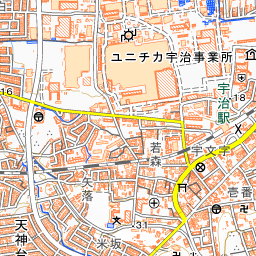
It is about a 9-minute walk from Uji Station on the Keihan Uji Line, and about a 15-minute walk from Uji Station on the JR Nara Line. The stone monuments bearing the name "Uji-jinja Shrine" beside the shrine's torii gate and along the approach to Ujigami-jinja Shrine are said to be remnants of when the two shrines were originally one. Consider visiting together with Ujigami-jinja Shrine, and extending your walk to Uji Bridge and Byodo-in Temple.
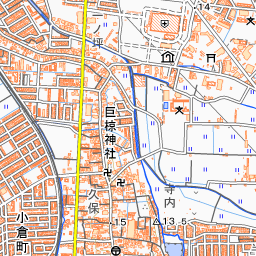
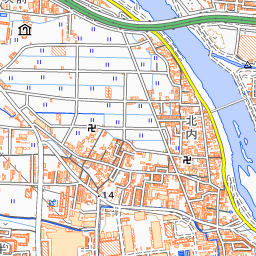
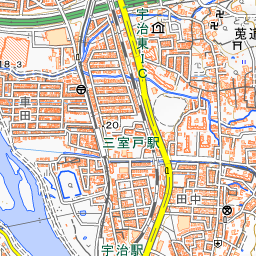
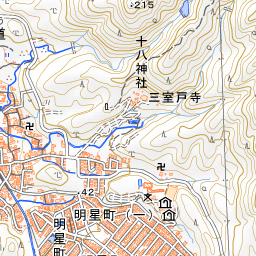
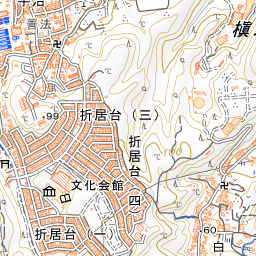
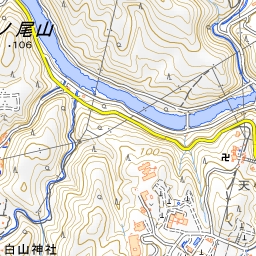
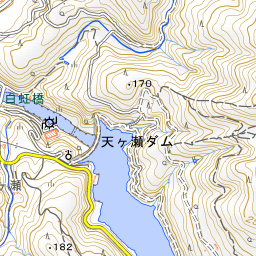
Spot location © OpenStreetMap contributors (ODbL)
Open in Google MapsGuides that include this spot (1)
Use asobot while you walk
- See where you are on the map and find spots nearby
- Listen to the guide's audio in course order, one after another (with subtitles)
- Walk to the next spot while following the map
Open on your phone
Scan to open this spot in asobot on your phone.