 ✨ AI Generated
Tatsuta-taisha Shrine
Japanese: 龍田大社
Sango Town, Nara
This information was written by AI and may contain mistakes. Please check official sources for opening hours, fees, and other details before you go.
Found a mistake? Let us know with “✏️ Something's wrong” on this spot's screen in asobot →
🎧 Audio guide(1:14)
In short
Tatsuta-taisha Shrine is a shrine in Sango Town that enshrines the "gods of wind." It is said that during the reign of Emperor Sujin, when a shrine was built following an oracle given by a god who appeared in the emperor's dream, bad harvests and epidemics subsided. In 675, Emperor Tenmu enshrined the wind deities, marking the beginning of the Wind God Festival, which, together with the Oimi-no-Matsuri Festival of Hirose-taisha Shrine, has been passed down as one of the country's major festivals.
- Gods of Wind: The two deities, Amenomihashira-no-Okami and Kuninomihashira-no-Okami, are collectively called "Tatsuta Fujin."
- Maple Crest: A crest featuring an eightfold maple (the kanji for maple combines the "tree" radical with "wind"), which embodies prayers for the refreshing essence of the wind gods to spread in all directions.
- Summer Fuchin Taisai (Wind Calming Grand Festival): Regarded as the most significant festival of the year, it concludes with an offering of "Fujin Fireworks."
History and Highlights
The founding of Tatsuta-taisha Shrine is said to date back about 2,100 years to the reign of Emperor Sujin, the 10th emperor. Amid widespread poor harvests and epidemics across the country, a god appeared in the emperor's dream and instructed him to establish a shrine at "Ono of Tatsuno in Tatsuta." When the shrine was built accordingly, crops yielded a rich harvest and the plague is said to have departed.
Enshrined here are Amenomihashira-no-Okami and Kuninomihashira-no-Okami. Together, the two deities are called "Tatsuta Fujin" or "Tatsuta-no-Okami." Governing the atmosphere, vitality, and power of the wind between heaven and earth, they are known as the "gods of wind."
In 675, Emperor Tenmu sent an envoy to enshrine the wind gods at this location. This marked the beginning of the Wind God Festival, which was passed down to later generations alongside the Oimi-no-Matsuri Festival of Hirose-taisha Shrine as a major national festival. During the Heian period, it was recorded as a Myojin Taisha in the Engishiki, and was later selected as one of the Twenty-Two Shrines. Even today, it is deeply revered by people whose work involves the wind, such as those in agriculture, aviation, maritime navigation, and fishing.
Points for Appreciation and Experiences
- Eightfold Maple Crest: The crest of the shrine depicts an eightfold maple leaf. The Chinese character for maple consists of the components for "tree" and "wind," and in Yin-Yang and the Five Elements, the wind god corresponds to the energy of wood. The eightfold layer represents all directions, embodying the prayer that the refreshing essence of the wind gods will spread across the entire realm.
- Shrines on the Grounds: A sessha (auxiliary shrine) enshrines Tatsutahiko-no-Mikoto and Tatsutahime-no-Mikoto, a divine couple said to have protected the land of Tatsuta. Hakuryu-jinja Shrine is a sanctuary where a deity that appeared as a white dragon in Nigori-ike pond in the spring of 1908 was welcomed and enshrined.
- Spring and Summer Festivals: The Annual Festival on April 4 originally formed a pair with the summer Fuchin-sai. The summer Fuchin Taisai is considered the most significant festival of the year. Sword dances and folk dances are dedicated, and the event concludes with an offering of "Fujin Fireworks."
Walking Tips
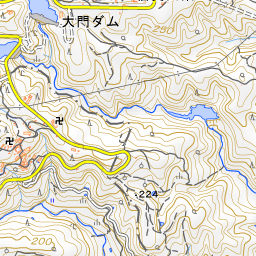
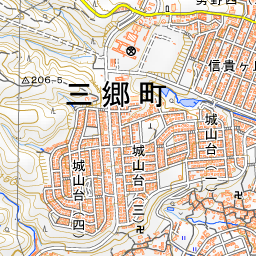
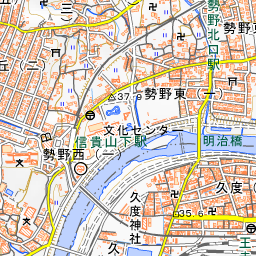
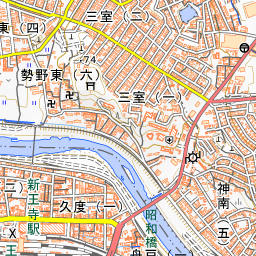
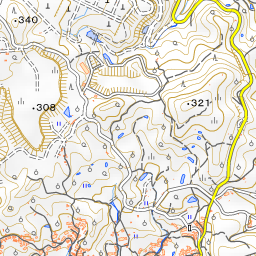
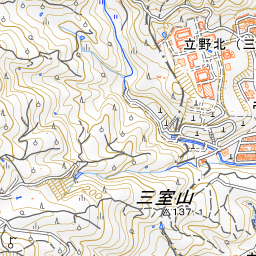
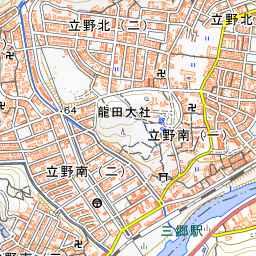
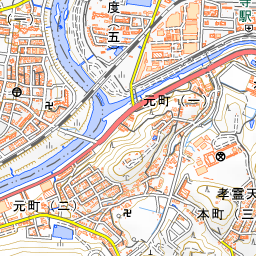
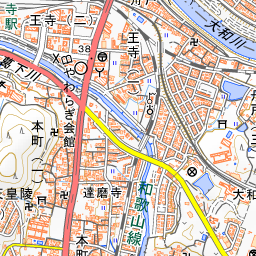
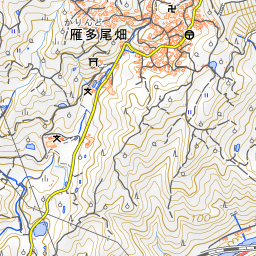
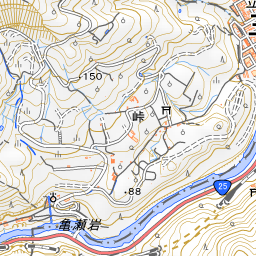
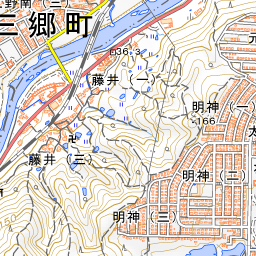
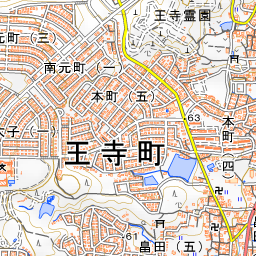
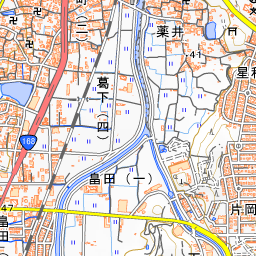
The shrine is about a 5-minute walk from Sango Station on the JR Yamatoji Line. There are related historic sites outside the shrine grounds as well. Gozagamine on Mount Tatsuta is a sacred peak where the wind gods are said to have descended. Mount Mimuro is the former site of the okumiya (inner shrine), and Priest Noin composed this poem about it: "The storm winds blowing / Down from Mount Mimuro / Turn the fallen maple leaves / Into a brocade on Tatsuta River." The Tatsuta River of old refers to today's Yamato River. In Iwase-no-Mori, carp are offered to the water deity Wakaukanome-no-Mikoto during the Annual Festival in April. This deity is the same as the main deity of Hirose-taisha Shrine. Hirose-taisha Shrine is approximately 5.6 kilometers to the east, and Chogosonshi-ji Temple is approximately 2.4 kilometers to the northwest.

Use asobot while you walk
- See where you are on the map and find spots nearby
- Listen to the guide's audio in course order, one after another (with subtitles)
- Walk to the next spot while following the map
Open on your phone
Scan to open this spot in asobot on your phone.