 ✨ AI Generated
Aguchi-jinja Shrine
Japanese: 開口神社
Sakai Ward, Sakai, Osaka
This information was written by AI and may contain mistakes. Please check official sources for opening hours, fees, and other details before you go.
Found a mistake? Let us know with “✏️ Something's wrong” on this spot's screen in asobot →
🎧 Audio guide(1:06)
In short
A shrine in the old town area of Sakai, affectionately known by locals as "Otera-san." According to the shrine's historical records, it is said to have originated with an imperial decree by Empress Jingu to enshrine Shiotsuchi no Oji no Kami, and it is said to have been established as a shrine guarding the entrance to Osaka Bay. It is the only Shikinaisha (a shrine listed in the ancient Engishiki register) in the old city area. The name "Otera" comes from the popular name of Nenbutsu-ji, a former jingu-ji (shrine-temple) said to have been founded in 746 (Tenpyo 18) by Gyoki.
- Kinryui Well: An old well located at the entrance to the west gate. A legend remains that during a year of drought, an elderly man who was a dragon in human form showed a Buddhist priest the spot where water gushes out
- Tea Room "Muge-an": A tea room said to reflect the taste of Takeno Joo, rebuilt in 1989 (Heisei 1). The interior is usually not open to the public, so it is viewed from the outside
- Yosano Akiko Poetry Monument: A monument inscribed with a poem composed by Yosano Akiko upon seeing the large camphor tree in the shrine grounds where she played as a child
History and Highlights
Aguchi-jinja Shrine is a shrine located in the old town area of Sakai, affectionately known by locals as "Otera-san."
According to the shrine's historical records, its origin dates back to an imperial decree by Empress Jingu to enshrine Shiotsuchi no Oji no Kami. It is said to have been established as a shrine guarding the entrance to Osaka Bay. In 1113 (Ten'ei 4), the shrines of three villages—Aguchi Village, Kido Village, and Hara Village—were combined, leading it to also be called Mimura-no-Miya or Mimura Myojin. Today, it enshrines the deities of the original three villages: Shiotsuchi no Oji no Kami, Susanoo no Kami, and Ikutama no Kami. It is the only Shikinaisha (a shrine listed in the ancient Engishiki register) in the old city area.
The name "Otera" comes from the popular name of Nenbutsu-ji, a former jingu-ji (shrine-temple). Nenbutsu-ji is said to have been founded in 746 (Tenpyo 18) by Gyoki and remained within the shrine precincts until the Edo period. The shrine preserves treasures such as the Otera Engi Emaki (illustrated scrolls depicting the life of Gyoki, who is said to have founded Nenbutsu-ji), the Fushimi Tenno Shinkan Gyokashu (poems written in Emperor Fushimi's own hand), and a short sword inscribed Yoshimitsu (Tanto mei Yoshimitsu), all of which are designated as national Important Cultural Properties. According to the shrine's chronology, the name Sen no Rikyu is said to have appeared for the first time in the Nenbutsu Sashicho Nikki (temple record) in 1535 (Tenbun 4).
Although most of the buildings within the precincts were burned down during wartime damage in 1945 (Showa 20), the temizuya (water ablution pavilion) survived the fire. The honden (main sanctuary) and haiden (worship hall) were rebuilt in 1964 (Showa 39).
Sights and Experiences
- Kinryui Well: An old well located at the entrance to the west gate. A legend remains that during a year of drought, an elderly man who was a dragon in human form showed a Buddhist priest the spot where water gushes out. In 2004 (Heisei 16), a pavilion was built in front of the well, revitalizing the site.
- Tea Room "Muge-an": A tea room said to reflect the taste of Takeno Joo; before the war, it was also called "Hasso no Seki" (seat of eight windows). After being destroyed in the war, it was rebuilt in 1989 (Heisei 1). The interior is usually not open to the public, so it is viewed from the outside.
- Yosano Akiko Poetry Monument: A monument inscribed with a poem composed by Yosano Akiko upon seeing the large camphor tree in the shrine grounds where she played as a child. It expresses her wish that young women from her hometown will grow and stretch out like the young branches of the camphor tree.
Travel Tips
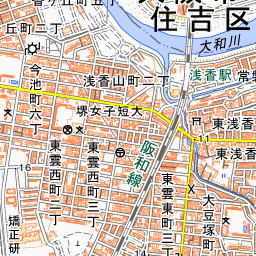
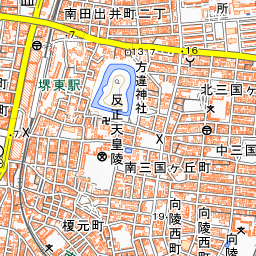
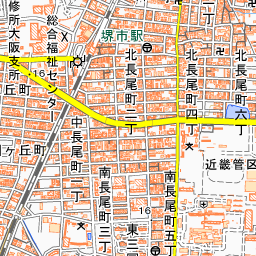
It is about a 5-minute walk from Oshoji Station or Shukuin Station on the Hankai Line, and about a 10-minute walk from Sakai Station on the Nankai Main Line. At the Hassaku Festival held every year in mid-September, Sakai's oldest futon daiko (festival float drum) is dedicated.
About 350 to 400 meters to the west are the Sen no Rikyu Residence Site and the Sakai Plaza of Rikyu and Akiko, and about 730 meters to the north is the Sakai Denshokan, which showcases Sakai's traditional industries. Kaie-ji Temple, which appears in the legend of Kinryui Well, was later moved to the grounds of Nanshu-ji Temple, about 1 kilometer to the southwest.
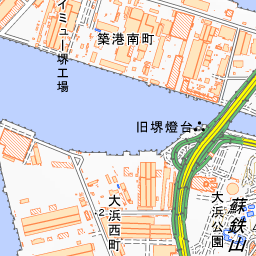
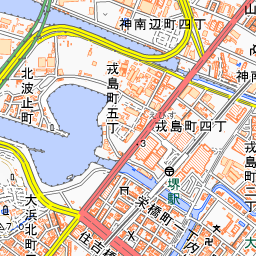
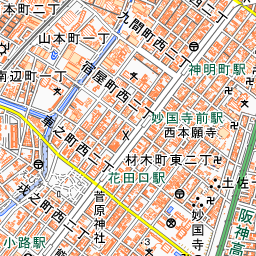
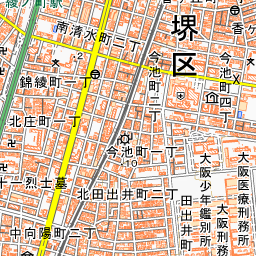


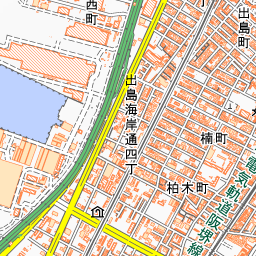
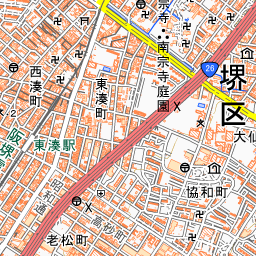
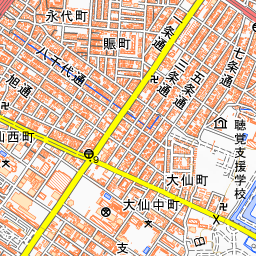
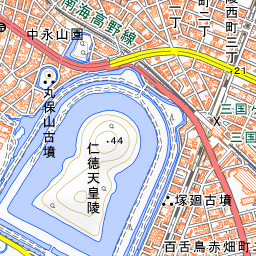
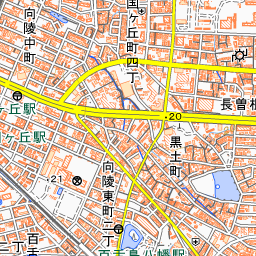
Spot location © OpenStreetMap contributors (ODbL)
Open in Google MapsUse asobot while you walk
- See where you are on the map and find spots nearby
- Listen to the guide's audio in course order, one after another (with subtitles)
- Walk to the next spot while following the map
Open on your phone
Scan to open this spot in asobot on your phone.