 ✨ AI Generated
Tonogayato Gardens
Japanese: 殿ヶ谷戸庭園
Kokubunji, Tokyo
This information was written by AI and may contain mistakes. Please check official sources for opening hours, fees, and other details before you go.
Found a mistake? Let us know with “✏️ Something's wrong” on this spot's screen in asobot →
🎧 Audio guide(1:06)
In short
Tonogayato Gardens is a metropolitan garden located near Kokubunji Station, designated as a National Place of Scenic Beauty. It is a stroll garden with ponds and woods (kaiyushiki rinsen teien) that makes use of the valley formed in the terrace cliff, originating as the garden of a villa in the Taisho era. One of the highlights of its design is the dramatic contrast in atmosphere between the bright lawn atop the cliff and the spring-fed pond and woods at the bottom of the cliff.
- Jiro Benten Pond: A pond formed by spring water at the foot of the cliff. Long ago, this spring water was famous and known as the "pure water of Jiro Benten."
- Koyo-tei Teahouse: A garden building featuring a tearoom, built atop the cliff. During the seasons of fresh greenery and autumn foliage, you can enjoy views overlooking the trees and the pond from here.
- Japanese Ternstroemia and Wildflowers: The most common tree in the garden is the Japanese ternstroemia (mokkoku), with more than 300 specimens. You can also encounter Musashino wildflowers such as Asian fawn lilies (katakuri) in spring.
History and Highlights
Tonogayato Gardens is a garden that makes use of the topography and springs of the Kokubunji Cliff Line, with one of its highlights being the design where the atmosphere completely changes between the bright lawn atop the cliff and the spring-fed pond and woods at the foot of the cliff. The garden's name comes from the fact that this area was once called Tonogayato, Kokubunji Village.
This garden was built between Taisho 2 and 4 (1913–1915) as the villa of Eguchi Sadae, who was the business manager of the Mitsubishi Goshi Kaisha and later became the vice president of the South Manchuria Railway. The garden was landscaped by the Akasaka gardener Sengoku Sotaro. The garden was named "Zuigien." "Zuigi" means "following what is appropriate."
In Showa 4 (1929), Iwasaki Hikoyata, who would later become the vice president of Mitsubishi Goshi Kaisha, purchased it. In Showa 9 (1934), Hikoyata rebuilt the main house (omoya) and newly constructed Koyo-tei Teahouse with a tearoom, completing the stroll garden consisting of lawn areas and spring water and a pond at the bottom of the cliff.
As development in the surrounding area progressed, local residents started a conservation movement. The Tokyo Metropolitan Government purchased it in Showa 49 (1974), and it opened as a metropolitan garden in Showa 54 (1979). In Heisei 23 (2011), it was designated as a National Place of Scenic Beauty.
Key Sights and Experiences
- Lawn Area: To the south of the main house is a spacious lawn area dotted with Japanese red pines, Japanese maples, and garden stones.
- Jiro Benten Pond: A small marshy pond formed by spring water at the foot of the cliff, featuring an island (nakajima) toward the northwest of the water's surface. Long ago, this spring water was famous and called the "pure water of Jiro Benten," and it has also been selected among the "57 Selected Springs of Tokyo." Water pours into the pond from the spring source at a rate of 37 liters per minute.
- Koyo-tei Teahouse and Shishi-odoshi: Koyo-tei Teahouse is a structure with wide eaves added to the edge of 10-mat and 6-mat tatami rooms. It is said that in the past, one could look out far over the lowlands of the Tama River and the Tama Hills from here. Today, you can enjoy the view looking down at the trees and pond during the seasons of fresh greenery and autumn foliage. The shishi-odoshi (bamboo water rocker) right beside it is operated by well water, adding sound to the garden.
Walking Tips
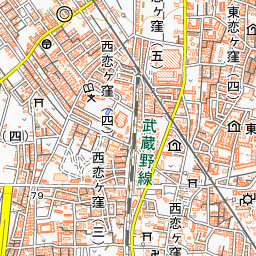
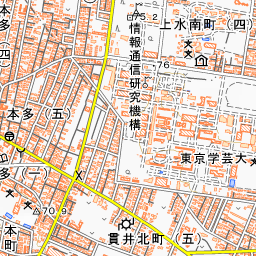
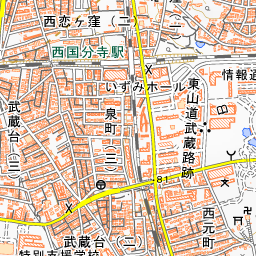
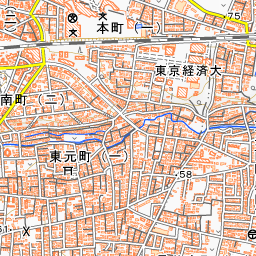
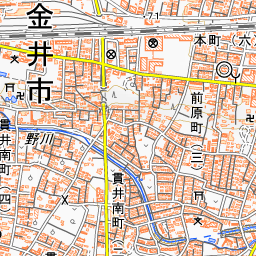
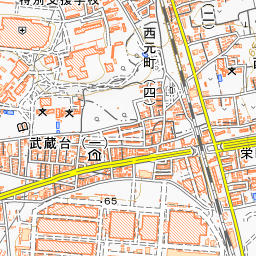
It is a 2-minute walk from the South Exit of Kokubunji Station. As it is a garden with significant elevation changes, comfortable walking shoes are recommended.
Here is one example of a route: Walk south along the western edge of the lawn area from the main house, and turn northeast at the wisteria trellis at the southern end. As you gently descend the edge of the cliff, a grove of moso bamboo spreads out below, and descending further leads you to Jiro Benten Pond. Climbing the steep slope brings you to Koyo-tei Teahouse. On the way up the slope, there is a four-tiered waterfall rock arrangement (taki-ishigumi).
The most common tree in the garden is the Japanese ternstroemia, with over 300 trees. You can also encounter Musashino wildflowers such as Asian fawn lilies in spring. Masugata Pond is located about 880 meters southwest of here.




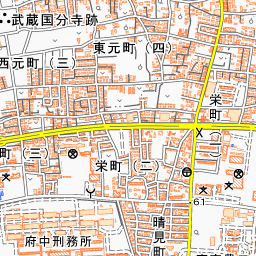
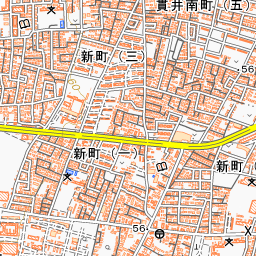
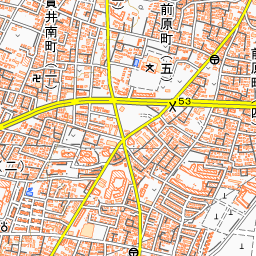
Spot location © OpenStreetMap contributors (ODbL)
Open in Google MapsGuides that include this spot (1)
Use asobot while you walk
- See where you are on the map and find spots nearby
- Listen to the guide's audio in course order, one after another (with subtitles)
- Walk to the next spot while following the map
Open on your phone
Scan to open this spot in asobot on your phone.