 ✨ AI Generated
Hyotanyama Inari-jinja Shrine
Japanese: 瓢箪山稲荷神社
Higashiosaka, Osaka
This information was written by AI and may contain mistakes. Please check official sources for opening hours, fees, and other details before you go.
Found a mistake? Let us know with “✏️ Something's wrong” on this spot's screen in asobot →
🎧 Audio guide(1:12)
In short
An Inari shrine at the foot of Mt. Ikoma, whose shrine buildings face west and stand on the western slope of the "Hyotanyama Kofun," a gourd-shaped double-round mound. Regarded as one of Japan's Three Great Inari shrines, it has long been cherished as "the grand head shrine of tsujiura." According to shrine tradition, in 1583 (Tensho 11), when Toyotomi Hideyoshi was building Osaka Castle, he is said to have buried a golden gourd, enshrining "Fukube Inari" as a protective guardian deity.
- Tsujiura Divination: After praying before the altar, visitors draw a consultation omikuji and go to the "uraba" (divination area) on the East Approach to observe the appearance, belongings, and other details of the person who passes by in the order given by the slip's number. Returning to the shrine office and telling the chief priest, one receives a divination judgment
- Tsujiura Omikuji and Tsujiura Hyotan-zasa: The Tsujiura Omikuji contains three kinds of fortune slips, including "yakinuki" and "aburidashi." The Tsujiura Hyotan-zasa consists of fortune slips placed inside five-colored gourds made of monaka wafer shells
- Shrine Buildings Atop the Mound and the Otsuka: The haiden, heiden, and honden are built in a line ascending toward the upper part of the mound. The stone chamber of the burial mound has long been venerated as a small shrine known as "Otsuka (Kitsunezuka)," and is believed to bring blessings for fertility and safe childbirth
History and Highlights
Hyotanyama Inari-jinja Shrine is an Inari shrine situated at the foot of Mt. Ikoma. The shrine buildings face west and stand on the western slope of the Hyotanyama Kofun, the largest and westernmost ancient burial mound in the Yamahata Kofun Cluster built along the mountain's foot in the 6th century. Because this double-round mound (soenfun) resembles the shape of a gourd (hyotan), the area came to be called "Hyotanyama." The enshrined deity is Ukemochi no Okami, an Inari deity. Regarded as one of Japan's Three Great Inari shrines, it has long been cherished as the grand head shrine of tsujiura (crossroad divination).
According to shrine tradition, in 1583 (Tensho 11), when Toyotomi Hideyoshi was building Osaka Castle, he is said to have buried a golden gourd in a sacred spot three ri away in the tatsumi (southeast) direction, enshrining "Fukube Inari," an Inari deity of the gourd, as a protective guardian deity. Village maps from the Edo period also indicate a gourd-shaped hill marked with "Inari," showing that the Inari shrine was worshipped here from early on.
Tsujiura is a form of divination based on factors such as the conversations of people passing through a crossroads. The Kawachi Meisho Zue, published in 1801 (Kyowa 1), records that tsujiura was already being practiced along the Higashi-Koya Kaido. From the end of the Edo period through the Meiji and Taisho eras, the approach to the shrine leading to the highway flourished with inns and teahouses lining both sides, and the rise and fall of the Dojima rice market in Osaka was also divined through this tsujiura.
Viewing and Experience Highlights
- Tsujiura Divination: After praying before the shrine altar, visitors draw a consultation omikuji (fortune slip) and go to the uraba (divination area) on the East Approach to observe the appearance, belongings, and other details of the person passing by corresponding to the slip's number. Returning to the shrine office and reporting these details to the chief priest, one receives a divination judgment granted through the spiritual revelation handed down within the chief priest's family.
- Tsujiura Omikuji and Tsujiura Hyotan-zasa: The Tsujiura Omikuji set contains three kinds of fortune slips, including yakinuki (burned through with an incense stick) and aburidashi (where characters appear when warmed over heat). The Tsujiura Hyotan-zasa consists of fortune slips placed inside five-colored gourds made of crisp wafer shells (monaka crust).
- Shrine Buildings Atop the Mound and the Otsuka: The haiden (worship hall), heiden (hall of offerings), and honden (main sanctuary) are built in a line ascending toward the upper part of the mound, so visitors look upward toward the interior when praying. The stone chamber of the burial mound has long been venerated as a small shrine known as "Otsuka (Kitsunezuka)," and is believed to bring blessings for fertility and safe childbirth, associated with foxes having once lived there.
Walking Tips
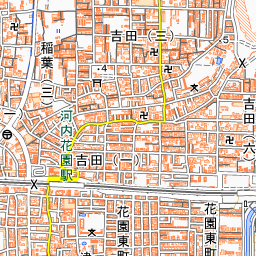
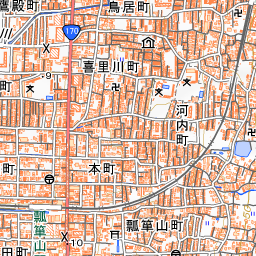
The shrine is about a 5-minute walk from Hyotanyama Station on the Kintetsu Nara Line. The entrance to the approach begins at Ginger Mall Hyotanyama, an arcade shopping street extending south from the station. Passing through the torii gate and walking along the approach through the residential area brings you to a large red torii gate marking the entrance to the shrine grounds. The grounds also feature shrines honoring deities of scholarship and the performing arts, such as Sugawara-jinja Shrine, allowing visitors to walk around and pay their respects. Ishikiri Tsurugiya-jinja Shrine and Hiraoka-jinja Shrine are also located at the foot of the same Mt. Ikoma.

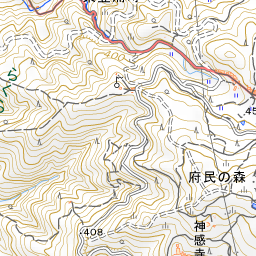
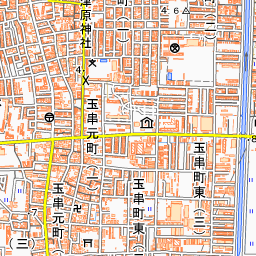
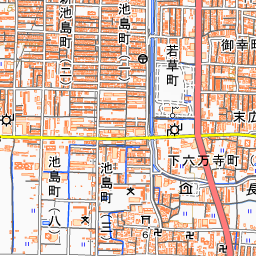
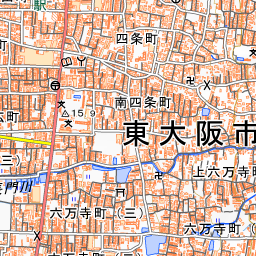
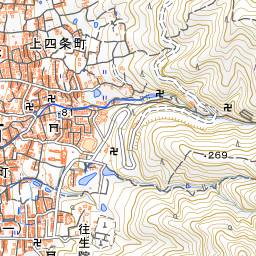
Spot location © OpenStreetMap contributors (ODbL)
Open in Google MapsUse asobot while you walk
- See where you are on the map and find spots nearby
- Listen to the guide's audio in course order, one after another (with subtitles)
- Walk to the next spot while following the map
Open on your phone
Scan to open this spot in asobot on your phone.