 ✨ AI Generated
Hirokawa-dera Temple
Japanese: 弘川寺
Kanan Town, Osaka
This information was written by AI and may contain mistakes. Please check official sources for opening hours, fees, and other details before you go.
Found a mistake? Let us know with “✏️ Something's wrong” on this spot's screen in asobot →
🎧 Audio guide(1:09)
In short
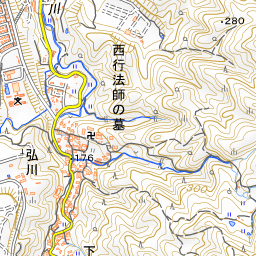
A temple of the Daigo branch of Shingon Buddhism, located at the northwestern foot of Mt. Katsuragi in Hirokawa, Kanan Town. According to temple tradition, it is said to have been founded in 665 (the fourth year of Emperor Tenji's reign) by En no Ozunu. Saigyo, a poet of the late Heian period, settled down to live at this temple in 1189, and on the 16th day of the second month of the following year by the old lunar calendar, during the cherry blossom season, he brought his 73-year life to a close at this temple.
- Saigyo's Grave and Saigyo-do Hall: On the temple grounds are Saigyo's grave mound (Saigyo-fun) and the Saigyo-do Hall, which enshrines a seated statue of Saigyo. Beside Saigyo-fun, there is also Jiun-fun, the grave mound of the monk-poet Jiun, who found Saigyo's grave
- Approximately 1,500 Cherry Trees: From late March to early April, about 1,500 cherry trees, including Somei Yoshino and wild cherry trees, bloom. The benishidarezakura (red weeping cherry) in front of the main hall also produces deep pink blossoms
- The Crabapple of the Honbo Garden and the Saigyo Memorial Museum: The flowering crabapple tree, over 350 years old, is a Natural Monument of Osaka Prefecture, and its prime viewing time arrives after the cherry blossoms have finished. The Saigyo Memorial Museum houses materials related to Saigyo, beginning with hanging scrolls said to be written in Saigyo's own hand. The honbo garden and the Saigyo Memorial Museum are open to the public only during periods in spring and autumn
History and Highlights
Hirokawa-dera Temple is a temple of the Daigo branch of Shingon Buddhism, located at the northwestern foot of Mt. Katsuragi in Hirokawa, Kanan Town, with the mountain name Ryuchisan. According to temple tradition, it is said to have been founded in 665 (the fourth year of Emperor Tenji's reign) by En no Ozunu, and it enshrines a statue of Yakushi Nyorai, said to have been carved by En no Ozunu himself, as its principal image. During the reign of Emperor Tenmu, it became a chokuganji (temple designated for imperial prayers), and it is handed down that Gyoki and Kukai also trained here. In 812 (the third year of the Konin era), Kukai is said to have renovated the temple complex. Later, it was once reduced to ashes by the flames of war caused by the Hatakeyama clan, but the main hall and other structures were rebuilt and have lasted to this day.
Saigyo, a poet of the late Heian period, settled down to live at this temple in 1189. Just as he composed in his poem, "Let me die in spring under the blossoming trees, around the full moon of the second month," he brought his 73-year life to a close at this temple during the cherry blossom season on February 16 of the following year.
In the mid-Edo period, the monk-poet Jiun, who admired Saigyo, visited this temple, found Saigyo's grave, built the Saigyo-do Hall, and also passed away here. It is also handed down that Jiun planted wild cherry trees around the grave.
Highlights of Viewing and Experience
- Saigyo's Grave and Saigyo-do Hall: On the temple grounds are Saigyo's grave mound (Saigyo-fun) and the Saigyo-do Hall, which enshrines a seated statue of Saigyo. Beside Saigyo's grave, there is also Jiun's grave mound (Jiun-fun).
- Approximately 1,500 Cherry Trees: The area around the temple is a cherry blossom spot, where about 1,500 cherry trees, including Somei Yoshino and wild cherry trees, bloom from late March to early April. The benishidarezakura (red weeping cherry) in front of the main hall also produces deep pink blossoms.
- The Crabapple of the Main Priests' Quarters Garden and the Saigyo Memorial Museum: In the garden of the honbo (main priests' quarters), there is a flowering crabapple tree over 350 years old, designated as a Natural Monument of Osaka Prefecture. Its prime viewing time arrives after the cherry blossoms have finished. The Saigyo Memorial Museum at the back of the honbo houses materials related to Saigyo, beginning with hanging scrolls said to be written in Saigyo's own hand. The honbo garden and the Saigyo Memorial Museum are open to the public only during periods in spring and autumn.
Walking Tips
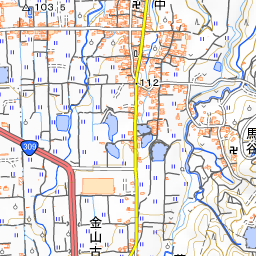
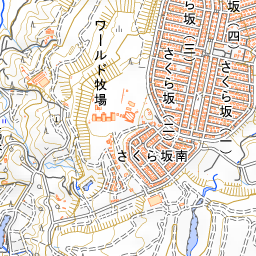
To reach the temple, take the Kawachi Line community bus from Tondabayashi Station on the Kintetsu Nagano Line, get off at the final stop, and walk for about 5 minutes. The bus takes about 25 minutes from Tondabayashi Station. From behind the graves of Saigyo and Jiun, you can enter the Sakurayama walking trail and stroll while gazing at the flowers during the cherry blossom season. Near the temple is also the "Hirokawa Forest of History and Culture," which Osaka Prefecture developed as a satoyama woodland area.

Use asobot while you walk
- See where you are on the map and find spots nearby
- Listen to the guide's audio in course order, one after another (with subtitles)
- Walk to the next spot while following the map
Open on your phone
Scan to open this spot in asobot on your phone.