 ✨ AI Generated
Zenkoku-ji Temple
Japanese: 善國寺
Shinjuku City, Tokyo
This information was written by AI and may contain mistakes. Please check official sources for opening hours, fees, and other details before you go.
Found a mistake? Let us know with “✏️ Something's wrong” on this spot's screen in asobot →
🎧 Audio guide(1:06)
In short
Zenkoku-ji Temple is a Nichiren Sect Buddhist temple located midway along Kagurazaka. Its principal image, a statue of Bishamonten, has long been revered as "Bishamon-sama of Kagurazaka." Founded in 1595 (Bunroku 4) in Bakurocho, the temple later relocated via Kojimachi to Kagurazaka following a fire in 1792 (Kansei 4). As the temple moved, shops gathered before its gates, transforming Kagurazaka into a vibrant district.
- Vermilion Gate: Located midway along Kagurazaka, this eye-catching vermilion-lacquered gate stands out.
- A-un Stone Tigers: On the left and right in front of the main hall sit a pair of stone tigers, said to be messengers of Bishamonten.
- Public Unveiling of Bishamonten: The principal statue of Bishamonten is unveiled to the public on the Days of the Tiger in January, May, and September.
History and Highlights
Zenkoku-ji Temple is a temple of the Nichiren Sect. Its founding priest was Nissei Shonin, who served as the 12th chief abbot of Ikegami Honmon-ji Temple. In 1590 (Tensho 18), when Tokugawa Ieyasu moved into Edo Castle, Nissei Shonin reunited with him and prayed for peace across the realm before a statue of Bishamonten handed down from his grandfather. Hearing of this, Ieyasu granted land for a temple in Nihonbashi Bakurocho, personally penned and presented a plaque reading "Chingozan Zenkoku-ji," and became the temple's patron founder. Thus, in 1595 (Bunroku 4), Zenkoku-ji Temple was established to enshrine Bishamonten.
After being destroyed by fire in 1670 (Kanbun 10), it was relocated to Kojimachi and rebuilt by Tokugawa Mitsukuni (Mito Mitsukuni). It was later struck by another fire and moved to its current location in Kagurazaka after the blaze of 1792 (Kansei 4).
The principal statue of Bishamonten has been venerated since the Edo period as "Bishamon-sama of Kagurazaka." Along with Shoden-ji Temple in Shiba and Shobo-ji Temple in Asakusa, it is counted as one of the "Three Bishamon of Edo." Today, it is also numbered among the Shinjuku Yamanote Seven Lucky Gods. With the temple's relocation, reed-screen shops moved from Kojimachi to the area in front of the gate, private houses increased, and Kagurazaka flourished into a lively quarter. The temple festival fairs bustled so much that neither carriages nor horses could pass, earning the area fame as the "Yamanote Ginza." Natsume Soseki's novel Botchan also mentions an episode about dropping a carp hooked with a needle during a festival day of the Kagurazaka Bishamon. Although the temple burned down in the 1945 air raids, the current main hall and Bishamon-do hall were completed in 1971.
Viewing and Experience Highlights
- A-un Stone Tigers: In front of the main hall, to the left and right, sit a pair of stone tigers considered to be the messengers of Bishamonten. Bishamonten is said to have appeared in the year, month, day, and hour of the Tiger. Dedicated in 1848 (Kaei 1), these stone tigers chipped during the air raids but survived without burning. They are designated as Tangible Folk Cultural Properties of Shinjuku Ward.
- Bishamonten Statue and Public Unveiling: The principal image of Bishamonten is designated as a Tangible Cultural Property of Shinjuku Ward. It is put on public display on the First and Second Days of the Tiger in January, and on the First Day of the Tiger in May and September.
- Jogyodo Hall: Inside the Jogyodo hall on the temple grounds, a statue of Jogyo Bosatsu is enshrined. It is believed that by pouring water over the statue with a ladle and rubbing it, illness and suffering will be removed.
Tips for Exploring
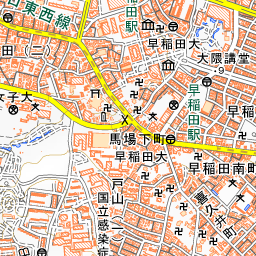
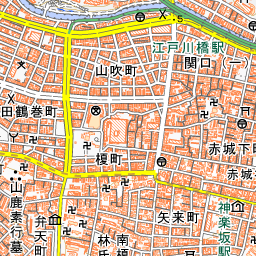
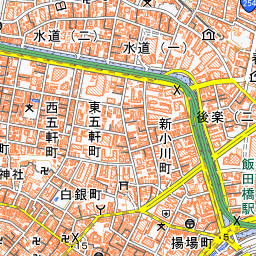
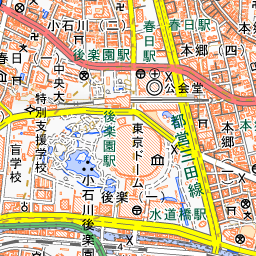
The temple is a 5 to 10-minute walk from JR and Tokyo Metro Iidabashi Station, Tokyo Metro Kagurazaka Station, or Toei Subway Ushigome-kagurazaka Station. Passing through the vermilion gate, you will find the pair of "A-un" stone tigers lined up before the main hall. "A" is said to represent a newborn's first cry and "un" a person's dying breath; visitors walk between them toward the main hall. Inside the gate to the back left stands Shusse Inari, venerated as an Inari deity bringing good fortune and career advancement. Akagi-jinja Shrine is located approximately 470 meters to the northwest.
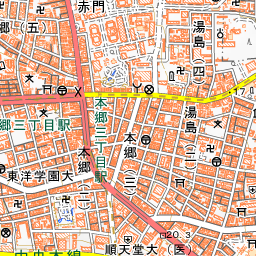
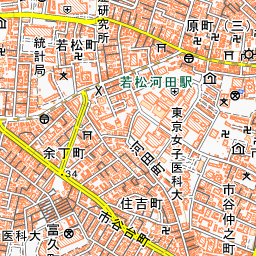
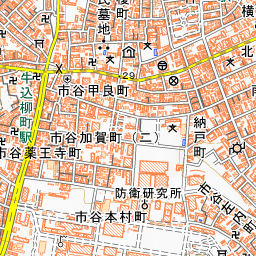
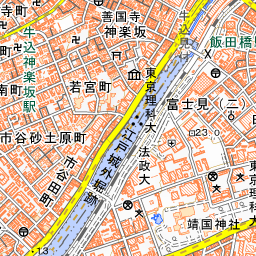

Spot location © OpenStreetMap contributors (ODbL)
Open in Google MapsGuides that include this spot (1)
Use asobot while you walk
- See where you are on the map and find spots nearby
- Listen to the guide's audio in course order, one after another (with subtitles)
- Walk to the next spot while following the map
Open on your phone
Scan to open this spot in asobot on your phone.