 ✨ AI Generated
Nunakuma-jinja Shrine
Japanese: 沼名前神社
Fukuyama, Hiroshima
This information was written by AI and may contain mistakes. Please check official sources for opening hours, fees, and other details before you go.
Found a mistake? Let us know with “✏️ Something's wrong” on this spot's screen in asobot →
🎧 Audio guide(1:03)
In short
Nunakuma-jinja Shrine is a shrine in the port town of Tomonoura and is also known as Tomo Gion-gu. It is an ancient shrine whose name appears in the Engishiki records of the Heian period, and it enshrines the sea deity Owatatsumi no Mikoto and Susanoo no Mikoto.
- Demountable Noh Stage: Said to have been favored by Toyotomi Hideyoshi and originally located in Fushimi Castle in Kyoto, it is said to be the only remaining demountable Noh stage in the country and is designated as a national Important Cultural Property
- Second Torii Gate and Stone Lanterns: The second torii gate was donated by Mizuno Katsushige to pray for the healthy growth of his eldest son Katsusada (an Important Cultural Property of Hiroshima Prefecture), and the stone lanterns in front of the worship hall were dedicated by that same Katsusada, praying for the recovery of his seriously ill grandfather Katsunari (Important Cultural Properties of Fukuyama City)
- Chikaraishi and Otebi Shinji Ritual: The grounds hold chikaraishi (strength stones) dedicated by cargo handlers at the port who tested their strength, and in summer the Otebi Shinji ritual, an Intangible Cultural Property of Fukuyama City, is held
History and Highlights
Nunakuma-jinja Shrine is a shrine located in the port town of Tomonoura and is also known as Tomo Gion-gu. It is an ancient shrine whose name appears in the Engishiki records of the Heian period, and it enshrines the sea deity Owatatsumi no Mikoto and Susanoo no Mikoto.
According to the tradition handed down at the shrine, it began when Empress Jingu stopped at this bay on her way to the west. Taking a sacred stone that welled up from the sea as a divine sign, she enshrined Watatsumi no Mikoto and prayed for safe sea voyages. It is also said that on her return journey, the empress stopped by again and dedicated an archer's arm guard called a tomo, which is how the place came to be called Tomo. Gion-gu, which enshrines Susanoo no Mikoto, was originally located in a different part of the town, but after burning down in a fire in 1599 during the Keicho era, it was moved to its current location, and in the Meiji period it came to be enshrined together with Watatsumi no Mikoto.
Points for Viewing and Experiencing
- Demountable Noh Stage: The Noh stage on the grounds is said to have been favored by Toyotomi Hideyoshi and originally located in Fushimi Castle in Kyoto. Mizuno Katsunari, the first lord of the Fukuyama Domain, received it from the shogun Tokugawa Hidetada, and later the third domain lord, Mizuno Katsusada, donated it to the shrine. Said to be the only remaining demountable Noh stage in the country, it is designated as a national Important Cultural Property. It is currently fixed in place.
- Second Torii Gate and Stone Lanterns: The second torii gate was donated in 1625 during the Kanei era by Mizuno Katsushige, who later became the second lord of the Fukuyama Domain, on the occasion of the birth of his eldest son Katsusada to pray for his healthy growth; it is an Important Cultural Property of Hiroshima Prefecture. The stone lanterns on the left and right in front of the worship hall were dedicated by Mizuno Katsusada, praying for the recovery of his seriously ill grandfather Katsunari, and are designated as Important Cultural Properties of Fukuyama City.
- Chikaraishi (Strength Stones) and Otebi Shinji Ritual: The chikaraishi (strength stones) on the grounds were dedicated by cargo handlers at the port of Tomo between the Edo and Meiji periods, who tested their strength during festivals and other occasions, also embedding prayers for maritime safety. These strength stones are also designated as Important Cultural Properties of Fukuyama City. In summer, the Otebi Shinji ritual, designated as an Intangible Cultural Property of Fukuyama City, is held.
Tips for Exploring
To reach the shrine, take a bus from Fukuyama Station to the "Tomonoura" bus stop, from which it is about a 10-minute walk. Enjoy your visit while taking time to see each of the cultural properties on the grounds, such as the Noh stage, torii gate, and stone lanterns. When exploring Tomonoura, visiting in conjunction with the nearby Io-ji Temple is recommended. For highlights around the harbor, please see the entries for Joyato Stone Lantern and Tomonoura.
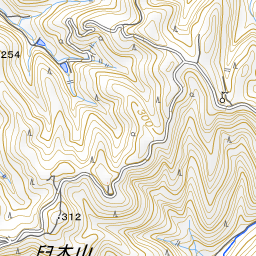




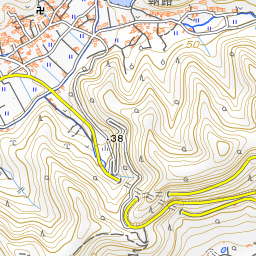


Spot location © OpenStreetMap contributors (ODbL)
Open in Google MapsGuides that include this spot (1)
Use asobot while you walk
- See where you are on the map and find spots nearby
- Listen to the guide's audio in course order, one after another (with subtitles)
- Walk to the next spot while following the map
Open on your phone
Scan to open this spot in asobot on your phone.