 ✨ AI Generated
Toba Imperial Villa Site Park
Japanese: 鳥羽離宮跡公園
Minami Ward, Kyoto
This information was written by AI and may contain mistakes. Please check official sources for opening hours, fees, and other details before you go.
Found a mistake? Let us know with “✏️ Something's wrong” on this spot's screen in asobot →
🎧 Audio guide(1:08)
In short
A historic site park established on the former grounds of the Toba Imperial Villa (Toba-dono), a detached palace from the late Heian period. Construction of the villa began in 1086 (the third year of the Otoku era), at the same time Emperor Shirakawa initiated cloistered rule, and it became the central stage of cloistered rule for three generations of retired emperors: Shirakawa, Toba, and Goshirakawa.
- Site of the Minamidono (South Palace): The park is on the site of the first palace built within the villa, and it was designated as a National Historic Site under the name "Toba-dono Site" in 1978 (Showa 53)
- Aki-no-yama: Said to be the remains of an artificial hill (tsukiyama) created in the villa's garden, it was known as a scenic spot during the Heian period. It forms a pair with "Haru-no-yama" in the sacred garden of Jonangu Shrine
- Monuments to the Battle of Toba-Fushimi: At the summit and south side of Aki-no-yama, there are commemorative monuments to the Battle of Toba-Fushimi, which marked the outbreak of the Boshin War, as well as a monument showing the battle array
History and Highlights
Toba Imperial Villa Site Park is a historic site park established on the former grounds of the Toba Imperial Villa, a detached palace from the late Heian period. Also known as Toba-dono, construction of the Toba Imperial Villa began in 1086 (the third year of the Otoku era), when Emperor Shirakawa abdicated the throne in favor of the young Emperor Horikawa and initiated cloistered rule (insei). The site was originally a mountain villa presented to Emperor Shirakawa by Fujiwara Suetsuna, and construction continued under the next retired emperor, Retired Emperor Toba. The villa became the central stage of cloistered rule for three generations of retired emperors: Shirakawa, Toba, and Goshirakawa.
The villa was expansive, spanning about 1.5 kilometers east to west and about 1 kilometer north to south. It featured imperial residences and Buddhist halls—such as the Minamidono (South Palace), Kitadono (North Palace), Izumidono, Babadono, Higashidono, and Tanakadono—along with gardens centered around ponds. It is said that its grandeur was described as "as if the capital itself had been moved." Toba was situated near the confluence of the old Kamo River and the Katsura River, serving as a hub for both land and water transport, with land routes along the Sanyo-do and water routes leading via the Yodo River to the Seto Inland Sea. The villa lost many of its palace buildings in the fires of the Nanboku-cho civil wars and subsequently fell into rapid decline.
Viewing and Experience Highlights
- Site of the Minamidono (South Palace): The park is situated on the site of the Minamidono, the first palace built within the villa complex. Remains of buildings in the shinden-zukuri architectural style were confirmed to the south of Aki-no-yama, and the area was designated as a National Historic Site under the name "Toba-dono Site" in 1978.
- Aki-no-yama: A small earthen mound at the northern edge of the park is said to be the remains of an artificial hill (tsukiyama) created in the villa's garden and is known as "Aki-no-yama" (Autumn Mountain). It was known as a scenic spot during the Heian period. Across the national highway to the east lies "Haru-no-yama" (Spring Mountain) in the sacred garden of Jonangu Shrine, forming a paired counterpart to Aki-no-yama.
- Monuments to the Battle of Toba-Fushimi: The area around the park is also where the Boshin War began. At the summit and south side of Aki-no-yama, there are commemorative monuments to the Battle of Toba-Fushimi, which marked the outbreak of the war, as well as a monument showing the battle array. The outbreak of this battle is also deeply tied to the nearby Jonangu Shrine.
Visiting Tips
The park is very close to the "Jonangu-michi" city bus stop. Jonangu Shrine, which was revered as the guardian shrine of the imperial villa, is about 300 meters from the park. Today's Toba retains several locations associated with the villa, including Anrakuju-in Temple and the imperial mausoleums of Emperors Shirakawa, Toba, and Konoe. It is recommended to tour these sites together while imagining the vast scale of the imperial villa that is being revealed bit by bit through archaeological excavations.
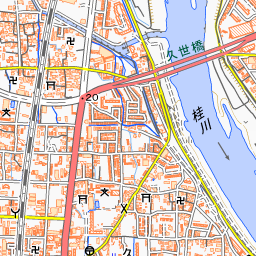

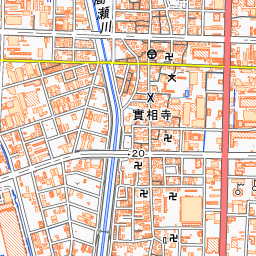
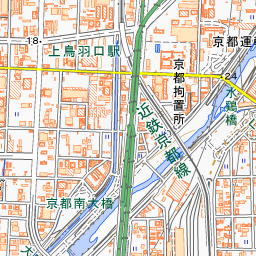
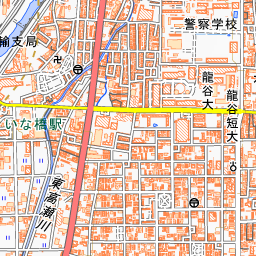
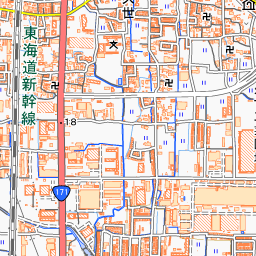
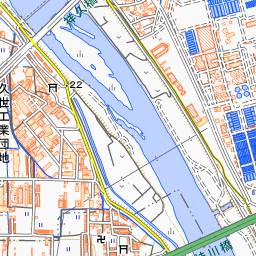
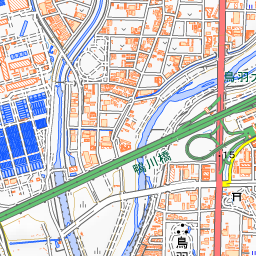
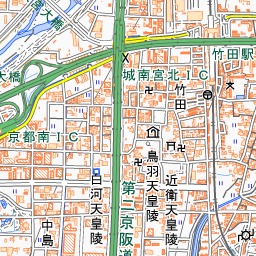
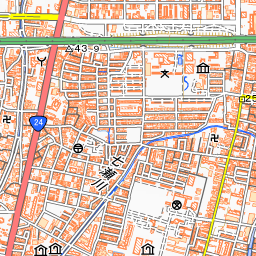
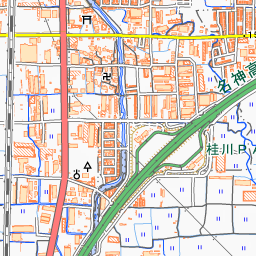
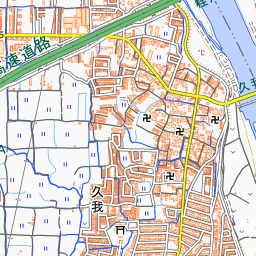
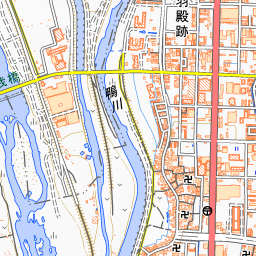
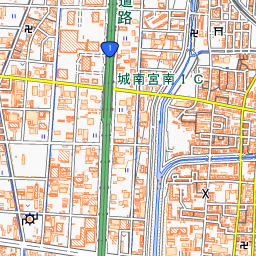
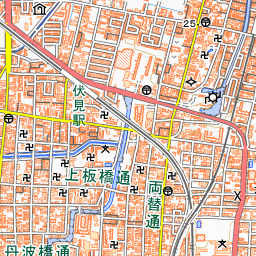
Spot location © OpenStreetMap contributors (ODbL)
Open in Google MapsUse asobot while you walk
- See where you are on the map and find spots nearby
- Listen to the guide's audio in course order, one after another (with subtitles)
- Walk to the next spot while following the map
Open on your phone
Scan to open this spot in asobot on your phone.