 ✨ AI Generated
Yagi Family Residence
Japanese: 八木家住宅
Nakagyo Ward, Kyoto
This information was written by AI and may contain mistakes. Please check official sources for opening hours, fees, and other details before you go.
Found a mistake? Let us know with “✏️ Something's wrong” on this spot's screen in asobot →
🎧 Audio guide(1:07)
In short
The residence of the Yagi family, known as the Mibu headquarters (tonsho) of the Shinsengumi. According to the tradition of the Yagi family, on the 16th day of the 3rd month of 1863 (Bunkyu 3), Serizawa Kamo, Kondo Isami, and others who were using the Yagi residence as their quarters hung a new nameplate on the right gatepost of the residence, marking the birth of the Shinsengumi here. On the 18th day of the 9th month of the same year, four people including Serizawa Kamo and Hirayama Goro were slashed to death in the inner sitting room (okuzashiki) of the Yagi residence.
- Sword Cuts in the Inner Sitting Room: In the inner sitting room, which was the scene of Serizawa Kamo's assassination, parts of sword cuts still remain today
- Nagayamon Gate and Main Building (Omoya): The nagayamon (rowhouse gate) is known to have been constructed in 1804 (Bunka 1), and the main building in 1809 (Bunka 6). As a remnant of the late Edo period and an architecture associated with the Shinsengumi, the residence was designated a Tangible Cultural Property of Kyoto City
- Tonsho-mochi and Matcha: Some visits include a guided tour, matcha green tea, and Tonsho-mochi. Tonsho-mochi consists of mochi mixed with chopped Mibuna, a traditional Kyoto vegetable, wrapping coarse sweet red bean paste made from Tamba Dainagon azuki beans
History and Highlights
The Yagi Family Residence is the estate of the Yagi family, known as the Mibu headquarters (tonsho) of the Shinsengumi. The Yagi family took up residence in Mibu Village during the Tensho era (1573–1592) and, as goshi (rural samurai) during the Edo period, was an old family involved in village administration and Mibu Kyogen; the lineage counts 15 generations from the Tensho era to the present day.
In the spring of 1863 (Bunkyu 3), ronin (masterless samurai) who traveled to Kyoto to guard the 14th Shogun, Tokugawa Iemochi, on his visit to the capital sought lodging in Mibu Village. Although the ronin were soon recalled to Edo, 13 members who were using the Yagi family residence as their quarters—including Serizawa Kamo, Kondo Isami, Hijikata Toshizo, and Okita Soji—remained in Kyoto. According to the tradition of the Yagi family, on March 16 of that year, they hung a new nameplate on the right gatepost of the Yagi residence, marking the birth of the Shinsengumi here. The head of the household at that time was the 11th-generation Yagi Gennojo. Later, as the number of members increased and the Yagi family alone could no longer accommodate them all, lodgings were also allocated to the Maekawa family and the Nambu family residences.
On the night of September 18 of the same year, during a torrential downpour, four people including Serizawa Kamo and Hirayama Goro were slashed to death in the inner sitting room (okuzashiki) of the Yagi residence. This is the assassination of Serizawa Kamo, considered one of the three major internal conflicts of the Shinsengumi.
Viewing and Experience Highlights
- Sword Cuts in the Inner Sitting Room: In the inner sitting room, which was the scene of Serizawa Kamo's assassination, parts of sword cuts still remain today, testifying to the gruesome nature of the incident.
- Nagayamon Gate and Main Building (Omoya): Construction request records preserved in the house reveal that the nagayamon (rowhouse gate) opening to the east was constructed in 1804 (Bunka 1), and the main building standing behind it facing south was constructed in 1809 (Bunka 6). The nagayamon retains much of its historic appearance, with clapboard siding on the lower walls, yoriki windows (yoriki-mado), and projecting latticework windows (degoshi). As a remnant of the late Edo period and an architecture associated with the Shinsengumi, it was designated as a Tangible Cultural Property of Kyoto City in 1983 (Showa 58).
- Tonsho-mochi and Matcha: The Yagi family operates the confectionery shop "Kyoto Tsuruya," and some visits include a guided tour, matcha green tea, and Tonsho-mochi. Tonsho-mochi is a confectionery named after the Mibu headquarters (tonsho); it consists of mochi mixed with chopped Mibuna (a traditional Kyoto vegetable once grown in this area) wrapping coarse sweet red bean paste made from Tamba Dainagon azuki beans.
Tips for Exploring
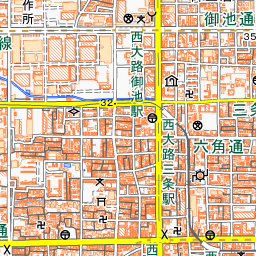
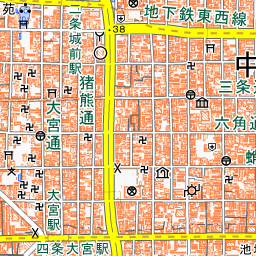
It is about a 10-minute walk from Hankyu Omiya Station or Keifuku Electric Railroad Shijo-Omiya Station, and just a short walk from the Mibudera-michi city bus stop. The residence of the Maekawa family, which also served as a headquarters, remains as the Former Maekawa Residence, and it is said that the Yagi residence can be seen clearly from the window of its storehouse (kura). Mibu-dera Temple, where the Mibuzuka Mound containing the graves of the troop members is located, is also right nearby, and the Yagi and Maekawa residences stand side by side along Bojo-dori Street in front of the east gate of Mibu-dera Temple.




Guides that include this spot (1)
Use asobot while you walk
- See where you are on the map and find spots nearby
- Listen to the guide's audio in course order, one after another (with subtitles)
- Walk to the next spot while following the map
Open on your phone
Scan to open this spot in asobot on your phone.