 ✨ AI Generated
Yushima Tenmangu Shrine
Japanese: 湯島天満宮
Bunkyo City, Tokyo
This information was written by AI and may contain mistakes. Please check official sources for opening hours, fees, and other details before you go.
Found a mistake? Let us know with “✏️ Something's wrong” on this spot's screen in asobot →
🎧 Audio guide(1:01)
In short
Yushima Tenmangu Shrine is dedicated to Sugawara no Michizane, who is known as the deity of learning, and is also called "Yushima Tenjin." It is said to have been founded in the second year of Emperor Yuryaku's reign (458), and even today, numerous students preparing for exams visit to pray. It has been famous as a plum blossom viewing spot since the Edo period and served as the setting for Izumi Kyoka's novel Onna Keizu.
- Shrine Pavilion Made Entirely of Japanese Cypress: The current shrine building was constructed in 1995 (Heisei 7) in the gongen-zukuri style, made entirely of Japanese cypress (hinoki).
- Nade-ushi (Stroking Cow): A statue of a cow said to bring benefits if you stroke the part of it that corresponds to an area of your own body causing concern; many people can be seen rubbing its head to pray for passing exams.
- Approximately 300 Plum Trees: There are approximately 300 plum trees in the plum garden, 80% of which are white plum blossoms.
History and Highlights
Yushima Tenmangu Shrine is said to have been founded in the second year of Emperor Yuryaku's reign (458) by imperial command. Initially, it enshrined Ameno-tajikarao-no-mikoto. In 1355 (Shohei 10), Sugawara no Michizane was also enshrined here at the request of the local people, and since then, the shrine has been cherished as a shrine for the deity of learning.
In 1478 (Bunmei 10), it was rebuilt by Ota Dokan. In 1590 (Tensho 18), Tokugawa Ieyasu entered Edo and granted the shrine land with a red-seal letter (shuinchi). It was also deeply revered by figures such as the 5th shogun, Tsunayoshi, and flourished. It has been famous as a plum blossom spot since the Edo period, and Confucian scholars such as Arai Hakuseki and Hayashi Razan are also known to have visited frequently.
The present main hall (honden), worship hall (haiden), and offering hall (heiden) were rebuilt in 1995 (Heisei 7) in the gongen-zukuri style, constructed entirely from Japanese cypress.
Yushima Tenmangu Shrine was also the setting for Izumi Kyoka's novel Onna Keizu. When adapting it for the stage, Izumi himself dramatized it and set the parting scene between the protagonist and the heroine within these shrine grounds. The name "Yushima no Shiraume" (White Plums of Yushima) has become widely known through theater, movies, and popular songs. A brush memorial stone (fudezuka) honoring Izumi also stands on the grounds.
Highlights for Viewing and Experiencing
- Nade-ushi: Cattle have been treasured in the Tenjin faith due to factors such as Michizane being born in the Year of the Ox and the legend that, per his last will, his remains were carried by an ox, with his burial site established where the ox came to a halt. The cattle statue on the grounds is called nade-ushi, and it is believed that stroking the part corresponding to a troubled part of your own body brings healing. Many visitors are seen stroking its head to pray for academic success and passing examinations.
- Plum Garden: Because Michizane was deeply fond of plum blossoms, they are one of the flowers symbolizing Yushima Tenmangu Shrine. There are approximately 300 plum trees in the garden, with 80% being white plums, many of which are of the Shirakaga variety. The usual peak viewing period is from mid-February to early March, when the "Bunkyo Plum Blossom Festival," held continuously since 1958 (Showa 33), takes place.
- Omote-torii (Bronze Torii): A torii gate made of bronze, bearing inscriptions from the 7th and 8th years of the Kanbun era (1667 and 1668). As an early surviving cast-metal torii gate within Tokyo and recognized for its excellent craftsmanship, it is designated as a Tangible Cultural Property by the Tokyo Metropolitan Government.
Walking Tips
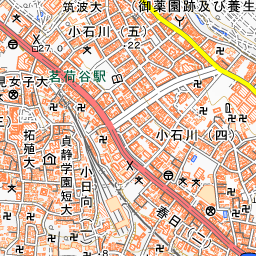
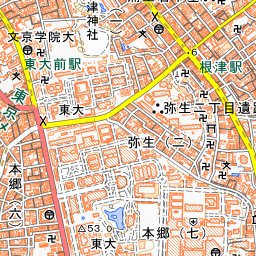
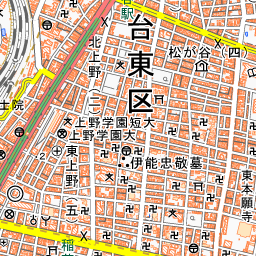
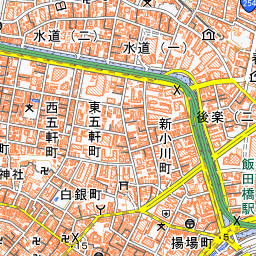
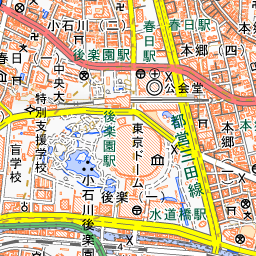
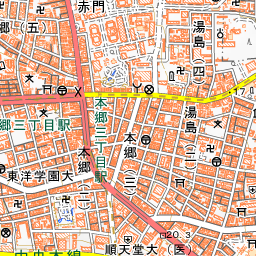
It is about a 2-minute walk from Exit 3 of Yushima Station on the Tokyo Metro Chiyoda Line. On the east side of the grounds are Otokozaka Slope, with 38 steep stone steps, and Onnazaka Slope, with 33 gentle steps. The grounds also feature the "Kien Hyojinseki," an Edo-period stone marker once used to help locate lost children. Kyu-Iwasaki-tei Gardens is about 220 meters to the north, and Shinobazu Pond is about 530 meters to the northeast, allowing you to combine your visit with a stroll around Ueno. Yushima Seido is located about 800 meters to the south.





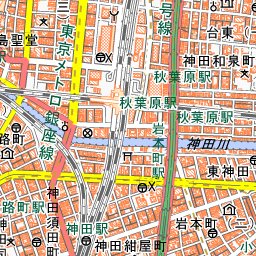

Spot location © OpenStreetMap contributors (ODbL)
Open in Google MapsGuides that include this spot (1)
Use asobot while you walk
- See where you are on the map and find spots nearby
- Listen to the guide's audio in course order, one after another (with subtitles)
- Walk to the next spot while following the map
Open on your phone
Scan to open this spot in asobot on your phone.