 ✨ AI Generated
Asakusa-jinja Shrine
Japanese: 浅草神社
Taito City, Tokyo
This information was written by AI and may contain mistakes. Please check official sources for opening hours, fees, and other details before you go.
Found a mistake? Let us know with “✏️ Something's wrong” on this spot's screen in asobot →
🎧 Audio guide(1:09)
In short
Asakusa-jinja Shrine is the local guardian shrine of Asakusa, located on the east side of the main hall of Senso-ji Temple, and is affectionately known as "Sanja-sama." It enshrines three individuals as kami (deities): Haji no Matsuchi, along with the brothers Hinokuma no Hamanari and Hinokuma no Takenari, who were involved in the founding of Senso-ji Temple. The shrine is famous for the Sanja Matsuri festival held in May.
- Main Shrine Building (Shaden): Built and donated in 1649 (Keian 2) by Tokugawa Iemitsu, the third shogun, this structure is in the gongen-zukuri style and designated as a National Important Cultural Property.
- Sanja Matsuri: Held on the Friday, Saturday, and Sunday centered around the third Saturday of May, this festival attracts around 1.8 million visitors, centering around the mikoshi procession.
- Meoto Komainu (Husband and Wife Guardian Dogs): Created in the early Edo period, these guardian dog statues stand nestled close together. They are believed to bring blessings for good relationships, marital harmony, and success in love.
History and Highlights
Asakusa-jinja Shrine is located on the east side of the main hall of Senso-ji Temple, just past the large stone torii gate, and is fondly called "Sanja-sama." The beginnings of the shrine are tied to the legend of the origin of Senso-ji Temple. On March 18, 628 (the 36th year of Empress Suiko's reign), two fisherman brothers, Hinokuma no Hamanari and Hinokuma no Takenari, discovered a sacred statue that kept getting caught in their nets in Asakusa Bay (present-day Sumida River). At Senso-ji Temple, Takenari's name is written with different kanji. Upon hearing of this, local cultural figure Haji no Matsuchi declared that it was a statue of Sho Kanzeon Bosatsu (the Bodhisattva Avalokiteshvara).
Later, descendants of the Haji clan received a revelation in a dream from Kannon, and the descendants of the three men founded Sanja Gongen Shrine to venerate the three figures as local deities. The exact year of foundation is unknown, but it is inferred to be from the late Heian period to the early Kamakura period or later. Following the Shinbutsu Bunri (separation of Shinto and Buddhism) decree in the first year of the Meiji era, its name was changed to Sanja Myojin-sha, and in 1873 (Meiji 6), it became today's Asakusa-jinja Shrine as the general guardian shrine of the Asakusa district.
The annual grand festival, Sanja Matsuri, is one of the classic traditions symbolizing early summer in Tokyo. Held over three days—Friday, Saturday, and Sunday—centered on the third Saturday of May, it attracts about 1.8 million people, mainly for the mikoshi procession. On the final day, three shrine-owned mikoshi (miyamikoshi) are carried out from the grounds in the early morning, parade through the parishioners' neighborhoods, and return to the grounds after sunset.
Viewing and Experience Highlights
- Gongen-zukuri Shrine Building: Built and donated in 1649 (Keian 2) by the third shogun Tokugawa Iemitsu, this building is a National Important Cultural Property. Built in the gongen-zukuri style comprising a main sanctuary (honden), hall of offerings (heiden), and hall of worship (haiden), it shares the same architectural style as the Toshogu Shrine in Nikko. Having survived numerous fires, wars, and the Great Kanto Earthquake, it retains its appearance from that era.
- Spiritual Beasts of the Shaden: The shrine's guide introduces mythical spiritual beasts such as the hoo (phoenix), kirin, and hiryu (flying dragon). They represent symbols of peace and wishes for people's happiness. The hiryu, which has the body of a fish and wings, is reportedly the mythical beast that draws the most questions.
- Meoto Komainu: Typically, a pair of komainu (guardian lion-dogs) face each other across the approach path. This pair of komainu was made in the early Edo period; their shape is rare and considered very precious. Because of the way they stand close together, they are believed to bring blessings for finding good matches, marital harmony, and fulfillment in love.
Walking Tips
Senso-ji Temple's Nitenmon Gate stands to the right as you face the torii gate of Asakusa-jinja Shrine. After passing through the torii, be sure to view the kaguraden (sacred dance stage) and mikoshiko (portable shrine storehouse). The mikoshiko houses the main portable shrines (miyamikoshi) of the Sanja Matsuri. The enju (Japanese pagoda tree) on the grounds is a sacred tree, connected to the tale where the brothers placed the Kannon statue on a stump of an enju tree. The grounds are also lined with many stone monuments, including a haiku monument to Kubota Mantaro and a monument to Ryotsu Kankichi from "Kochira Katsushika-ku Kameari Koen-mae Hashutsujo." The main building of the auxiliary Hikan Inari-jinja Shrine also survived both the Great Kanto Earthquake and the air raids of Tokyo.





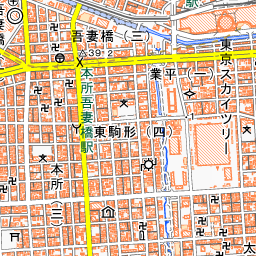
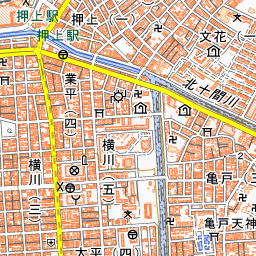
Spot location © OpenStreetMap contributors (ODbL)
Open in Google MapsGuides that include this spot (1)
Use asobot while you walk
- See where you are on the map and find spots nearby
- Listen to the guide's audio in course order, one after another (with subtitles)
- Walk to the next spot while following the map
Open on your phone
Scan to open this spot in asobot on your phone.