 ✨ AI Generated
Jindai-ji Temple
Japanese: 深大寺
Chofu, Tokyo
This information was written by AI and may contain mistakes. Please check official sources for opening hours, fees, and other details before you go.
Found a mistake? Let us know with “✏️ Something's wrong” on this spot's screen in asobot →
🎧 Audio guide(0:59)
In short
Jindai-ji Temple is a Buddhist temple of the Tendai sect located in Chofu City. According to temple tradition, it is said to have been founded in 733 (Tenpyo 5) during the Nara period by Manku Shonin. It is known as the second oldest temple in Tokyo, after Senso-ji Temple. The name of the temple originates from the water deity Jinja Daio.
- National Treasure Bronze Statue of Shakyamuni Buddha: Enshrined in the Shaka-do hall, this bronze Buddhist statue dates from the late Asuka period (Hakuho period). The temple considers it to be "the oldest National Treasure Buddha statue in eastern Japan."
- Thatch-Roofed Sanmon Gate: Donated in 1695 (Genroku 8), this is the oldest surviving structure on the temple grounds.
- Jindai-ji Soba: In this area blessed with spring water, about 20 soba noodle shops stand side by side.
History and Highlights
Jindai-ji Temple is a temple of the Tendai sect located in Chofu City. According to temple tradition, it was founded as a temple of the Hosso sect by Manku Shonin in 733 (Tenpyo 5) during the Nara period. It is known as the second oldest temple in Tokyo, after Senso-ji Temple.
The temple's name comes from the water deity Jinja Daio. Because the parents of Manku Shonin, who founded the temple, were brought together through the divine grace of Jinja Daio, it has long been revered as a temple of matchmaking.
In 1865 (Keio 1), Jindai-ji Temple suffered a major fire and lost many of its halls. The current Main Hall was completed in 1919 (Taisho 8). The Belfry was rebuilt in 1870 (Meiji 3) after being relocated to the right side inside the Sanmon Gate. The bronze temple bell in the belfry bears an inscription from 1376 (Eiwa 2) and is designated as a national Important Cultural Property.
Viewing and Experience Highlights
- National Treasure Statue of Shakyamuni Buddha (Hakuho Buddha): A bronze statue of Shakyamuni Buddha is enshrined in the Shaka-do hall. This Buddha is seated on a chair and has a face reminiscent of a young boy. It dates from the late Asuka period (Hakuho period) and measures 83.9 cm in height. After the fire at the end of the Edo period, its significance seems to have been gradually forgotten, but it was rediscovered in 1909 (Meiji 42) beneath the altar (shumidan) of the Ganzan Daishi-do hall. In September 2017, it was designated as a National Treasure, and the temple refers to it as "the oldest National Treasure Buddha statue in eastern Japan."
- Thatch-Roofed Sanmon Gate: The oldest surviving building on the temple grounds is the Sanmon Gate (Yakuimon style). Donated in 1695 (Genroku 8), its thick thatched gable roof, characteristic of the Musashino region, is striking. A plaque with the temple's mountain name, "Fugakusan," hangs on the front.
- Ganzan Daishi-do and Jinja-do Halls: In the Ganzan Daishi-do hall, a statue of Ganzan Daishi (Jie Daishi) is enshrined as a hidden Buddha (hibutsu). Ganzan Daishi is said to be the originator of "omikuji" (fortune-telling paper strips). Behind the Jinja-do hall is a spring that serves as a water source for this area and is connected to the origin of Jindai-ji Temple.
Walking Tips
Take a bus bound for "Jindai-ji" from Chofu Station on the Keio Line for about 15 minutes, then walk 1 minute from the final stop. The Sanmon Gate stands on a slightly raised elevation from the approach (sando), and you enter the grounds from here.
The surrounding area is blessed with pure spring water. In the Edo period, tenant farmers offered buckwheat flour to the temple, and the temple prepared soba noodles to entertain guests, which is said to be the origin of Jindai-ji soba. Even today, around 20 soba restaurants line the Jindai-ji area.
Every year on March 3 and 4 during the Yakuyoke Ganzan Daishi Grand Festival, about 300 stalls, mainly selling daruma dolls, line the temple grounds. It is known as one of Japan's three major daruma markets.
Jindai Botanical Gardens is adjacent to the north side of Jindai-ji Temple. About 390 meters in a straight line to the south-southwest lies the Jindaiji Natural Onsen Yumori-no-Sato.
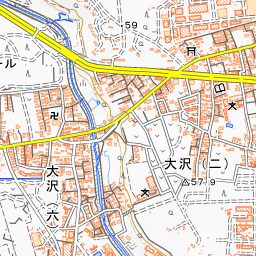
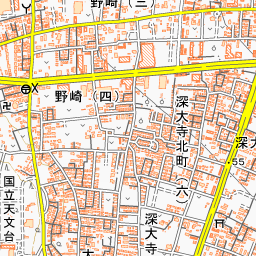
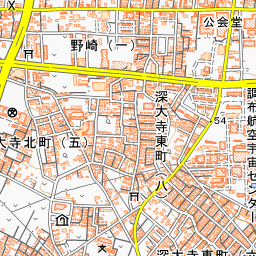
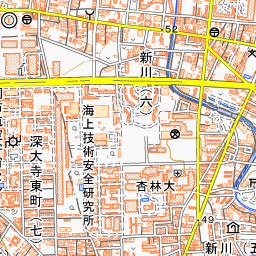
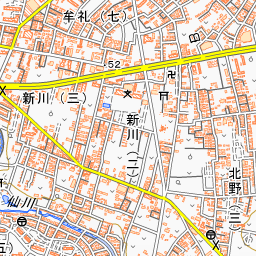
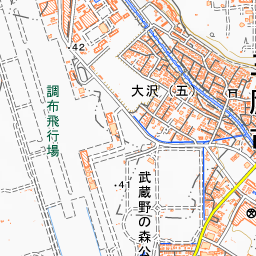
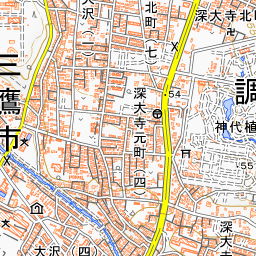
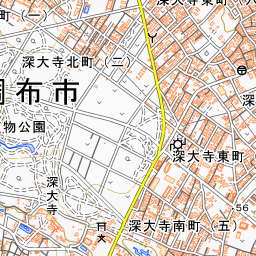
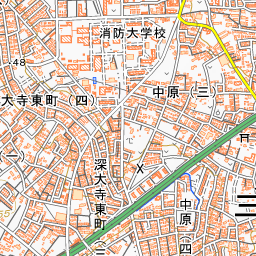
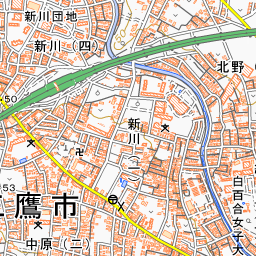

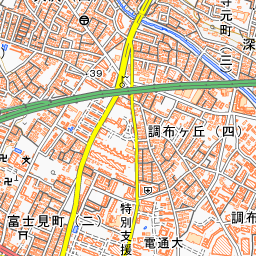
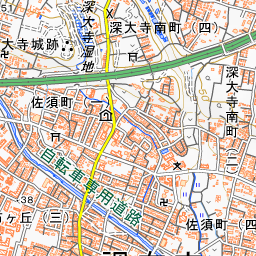
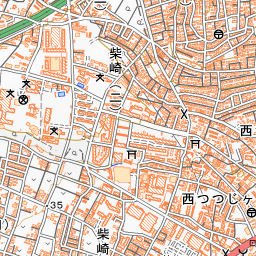
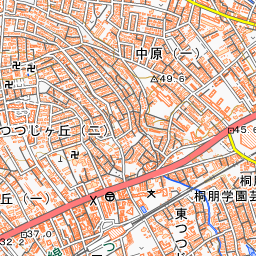
Spot location © OpenStreetMap contributors (ODbL)
Open in Google MapsGuides that include this spot (1)
Use asobot while you walk
- See where you are on the map and find spots nearby
- Listen to the guide's audio in course order, one after another (with subtitles)
- Walk to the next spot while following the map
Open on your phone
Scan to open this spot in asobot on your phone.