 ✨ AI Generated
Shakujii Park
Japanese: 石神井公園
Nerima City, Tokyo
This information was written by AI and may contain mistakes. Please check official sources for opening hours, fees, and other details before you go.
Found a mistake? Let us know with “✏️ Something's wrong” on this spot's screen in asobot →
🎧 Audio guide(1:08)
In short
Shakujii Park is a Tokyo metropolitan park centered around two ponds: Sanpoji Pond and Shakujii Pond. The undulating grounds preserve much of the natural environment of the Musashino region and contain the ruins of Shakujii Castle, which was the residence of the Toshima clan during the Muromachi period.
- Sanpoji Pond's Floating Island: The marsh plant community on the floating island was designated a National Natural Monument in 1935. Visitors can see the bogbean—a cold-climate plant—as well as rabbit-ear irises and Japanese spatterdock.
- Shakujii Castle Ruins: On the plateau south of Sanpoji Pond, slight traces of dry moats and earthen ramparts remain. The castle fell in 1477 during a battle against Ota Dokan.
- Boating on Shakujii Pond: Created in 1934 by damming a waterway, this pond bustles with visitors enjoying boating while admiring the surrounding greenery.
History and Highlights
Shakujii Park is a metropolitan park that opened in 1959. Centered around two ponds—Sanpoji Pond and Shakujii Pond—its undulating terrain preserves the natural landscape of Musashino well.
Sanpoji Pond was once one of the Three Great Spring Ponds of Musashino. During the Edo period, it was said that it would never run dry, no matter the drought. Up until around the mid-1950s to mid-1960s, it was known as an "unfrozen pond" whose surface did not freeze even in midwinter. Today, spring water is no longer seen due to urbanization of the surrounding area and other factors, so the pond is filled with groundwater pumped from wells. According to one theory, the stone deity (Shakujisama) from which the place name Shakujii originates is said to have appeared from this pond.
In December 1935, the marsh plant community on the pond's floating island was designated a National Natural Monument. In addition to bogbean, a cold-climate plant that has existed since the ice age, rabbit-ear irises and Japanese spatterdock can be seen. As the plants decreased due to changes in the water environment, efforts are currently being made to restore the community by mowing large aquatic weeds.
On the plateau south of Sanpoji Pond are the ruins of Shakujii Castle, the stronghold of the Toshima clan who ruled this area during the Muromachi period. It appears to have been built by utilizing the natural topography of the pond and river. In 1477, the Toshima clan was defeated in battle against Ota Dokan, and the castle fell. Today, faint traces of dry moats and earthen ramparts remain, and the castle site is designated as a Tokyo Historic Site.
The area around Shakujii Pond was originally rice fields and a waterway channeled from Sanpoji Pond. In 1934, this waterway was dammed to create the pond, and today it is lively with people boating while taking in the surrounding greenery.
Sights and Experiences
- Sanpoji Pond Boardwalk: A wooden boardwalk built along the edge of the pond allows visitors to walk while observing nature. In winter, northern pintails and common teals fly in, and common kingfishers have also been observed.
- Tonozuka and Himezuka: Legend tells that the castle lord, Toshima Yasutsune, pursued by Dokan's forces, rode a white horse and plunged into Sanpoji Pond, and his daughter, Princess Teru, followed him. Commemorating this legend are Tonozuka and Himezuka, located on the plateau north of the pond.
- Waterside Observation Garden: In 1920, a section of Sanpoji Pond was partitioned off to create Japan's first 100-meter swimming pool. In 1989, it became the Waterside Observation Garden, where aquatic plants such as rabbit-ear irises can also be seen.
Tips for Exploring
It is about a 7-minute walk from Shakujii-koen Station on the Seibu Ikebukuro Line. Mainly on the plateau north of Sanpoji Pond, there are about 170 Somei Yoshino cherry trees, about 70 Yamazakura (wild cherry) trees, and about 140 Kobushi magnolias, which bloom in their respective seasons. Shakujii Castle Ruins are usually closed to the public to protect the cultural properties. Near the pond is Sanbo-ji Temple, and adjacent to the park is Nerima Shakujiikoen Furusato Museum.
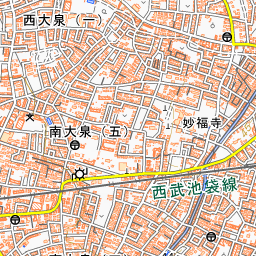
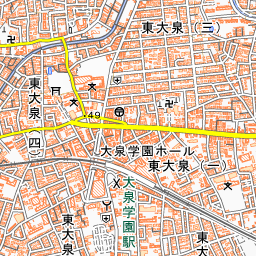
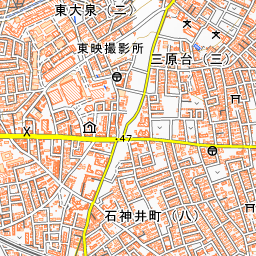
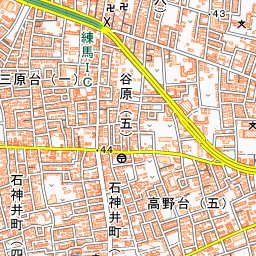
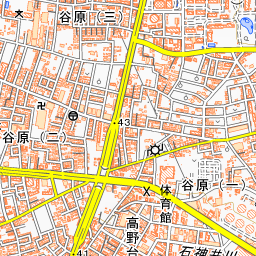
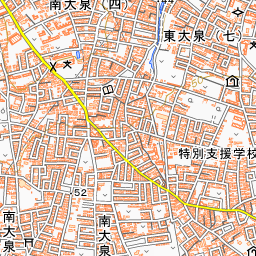
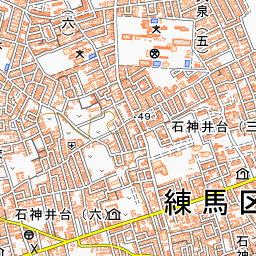
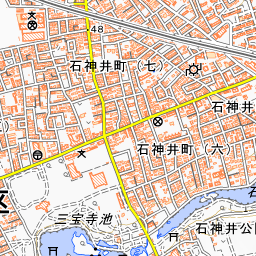
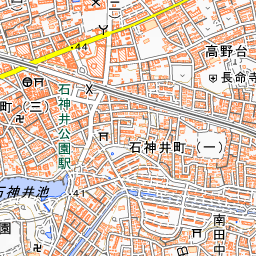
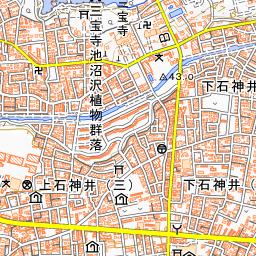
Spot location © OpenStreetMap contributors (ODbL)
Open in Google MapsGuides that include this spot (1)
Use asobot while you walk
- See where you are on the map and find spots nearby
- Listen to the guide's audio in course order, one after another (with subtitles)
- Walk to the next spot while following the map
Open on your phone
Scan to open this spot in asobot on your phone.