
Osato Cobblestone Walls
Japanese: 大里の玉石垣
Hachijo Town, Tokyo
This information was written by AI and may contain mistakes. Please check official sources for opening hours, fees, and other details before you go.
Found a mistake? Let us know with “✏️ Something's wrong” on this spot's screen in asobot →
🎧 Audio guide(0:56)
In short
The Osato Cobblestone Walls are stone walls built with rounded stones, remaining in the Osato district of Okago on Hachijojima Island. A jinya (administrative base) was located here from 1528 until 1908 (the 41st year of the Meiji period), serving as the island's political center. The cobblestone walls surrounding the jinya are the oldest on the island and are distinguished by their impressive scale and beauty.
- Roppozumi (Six-stone stacking): Oblong rounded stones are neatly arranged using a technique called roppozumi.
- Legend of the Exiles: It is said that these stones, rounded by rough waves, were carried one by one from the seashore by exiles.
- Slope Views: From the sloping path flanked by cobblestone walls that recall the island life of the past, you can look out across Hachijokojima Island.
History and Highlights
The Osato Cobblestone Walls are located in the Osato district of Okago on Hachijojima Island, on the site of a former jinya. A jinya was first established on Hachijojima in 1528. From then until the branch government office was moved to Mukaizato in 1908 (the 41st year of the Meiji period), this place served as the political center of Hachijojima for 380 years.
In the 30th year of the Showa period (1955), it was designated as a historic site of Tokyo as the "Site of the Island Government Office." The only remains from the Edo shogunate's island government office still visible today are the cobblestone walls that once enclosed the jinya. The cobblestone walls surrounding the jinya are the oldest on Hachijojima and are superior in both size and beauty. While other cobblestone walls continue through the village of Osato, the walls of this former jinya site are considered especially beautiful.
The rounded stones have had their corners worn smooth by rough ocean waves. It is said that exiles carried them one by one from Maesakigahama or Yokomagaura in order to earn their daily food. These walls are also valuable for recounting the history of the island.
Highlights for Viewing and Experiencing
- Observe Roppozumi: The cobblestone walls are laid in a method called roppozumi, in which one stone is surrounded by six stones. Oblong round stones are stacked in a regular pattern.
- Walk the Slope: The area along the sloping path lined with cobblestone walls is a place where visitors can reflect on the island's past way of life. Hachijokojima Island can be seen in the distance from the slope.
- Compare with the Cobblestone Beach: At Yokoma Beach on the west side of the island, rounded stones just like those used in the Osato Cobblestone Walls cover the entire shore. Try comparing the stones on the beach with the ones in the stone walls.
Travel Tips
The stone walls are located about a 1-minute walk from the "Osato" town bus stop, and about a 10-minute drive from Hachijojima Airport. Take a walk up the slope from around the bus stop to see the roppozumi stone walls up close. With views of the sea beyond the slope, it is a walking route where you can stroll while sensing history. Ubai Homei Shrine is also situated very close by. If you wish to see a cobblestone beach, head over to Yokoma Beach on the west side of the island, which is also known for its beautiful sunsets.
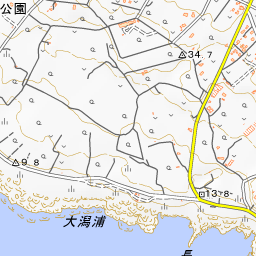




Spot location © OpenStreetMap contributors (ODbL)
Open in Google MapsGuides that include this spot (1)
Use asobot while you walk
- See where you are on the map and find spots nearby
- Listen to the guide's audio in course order, one after another (with subtitles)
- Walk to the next spot while following the map
Open on your phone
Scan to open this spot in asobot on your phone.