 ✨ AI Generated
Tama Zoological Park
Japanese: 多摩動物公園
Hino, Tokyo
This information was written by AI and may contain mistakes. Please check official sources for opening hours, fees, and other details before you go.
Found a mistake? Let us know with “✏️ Something's wrong” on this spot's screen in asobot →
🎧 Audio guide(0:55)
In short
Tama Zoological Park is a zoo covering more than 50 hectares that makes use of the natural landscape of the Tama Hills. It was established in 1958 as the first zoo in Japan based on the concept of viewing animals without fences. Housing approximately 260 species of animals, it displays them in open enclosures separated by moats instead of cages.
- Lion Bus: A "safari-style" exhibit where visitors observe the inside of the lion enclosure from a bus. The zoo describes it as the world's first. There are periods when operations are suspended.
- Skywalk: Orangutans nimbly traverse ropes approximately 15 meters high. Visitors can observe their natural brachiation behavior.
- Koalas: Located in the Australian Garden, the highest elevation point within the park, where they can be seen alongside kangaroos and other animals.
History and Highlights
Tama Zoological Park is a zoo that takes advantage of the natural environment of the Tama Hills. Spanning over 50 hectares, its grounds are four times the size of Ueno Zoo. Approximately 260 species of animals are kept in the park.
After World War II, visitors to Ueno Zoo increased, prompting the concept of a "second Ueno Zoo." In 1955, about 28.7 hectares of mountain forest in Nanao Village were donated to the Tokyo Metropolitan Government as zoo grounds with the cooperation of Keio Teito Electric Railway. It opened on May 5, 1958. Admission was free on that day, drawing an estimated 250,000 visitors. For its third anniversary, an animal parade was held all the way to Takahata Fudoson Temple.
This is the first zoo in Japan to adopt the principle of viewing without fences. To allow animals to display their natural behaviors, open enclosures separated by moats are used instead of cages, and species that form groups are kept in herds or packs as much as possible.
In 1984, the Australian Garden was established and the Koala House was opened to the public, and an Insectarium Ecological Garden was opened to commemorate the 30th anniversary of the park's opening. At the park's Wildlife Conservation Center, efforts are underway to protect and breed rare animals such as the crested ibis and the Oriental white stork.
Viewing and Experience Highlights
- Lion Bus: Operations began in May 1964 as a "safari-style" exhibit, viewing the lion enclosure from aboard a bus. The zoo describes it as the world's first. The Lion Bus Station includes exhibits for learning about lions and an area offering a panoramic view of the enclosure through glass.
- Skywalk: An exhibit that began in 2005, where orangutans cross ropes at a height of about 15 meters. Visitors can observe their natural brachiation as arboreal animals.
- Koalas of the Australian Garden: In 1984, two male koalas arrived from the Taronga Zoo in Australia. Today, visitors can still see creatures unique to Australia, including koalas, kangaroos, and Tasmanian devils.
Tips for Exploring
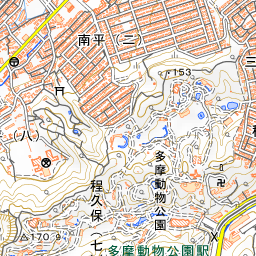
The park is a 1-minute walk from Tama-Dobutsukoen Station on the Keio Dobutsuen Line and the Tama Monorail. Because the park is set on hilly terrain with many steep slopes, walking around just once takes 2 to 3 hours. From the main gate, the Asian Garden spreads out along a ravine, and beyond that at the highest elevation in the park lies the Australian Garden. After entering the main gate and climbing the slope on your right to the top, you will find the Insectarium on your right, and beyond the ridge lies the African Garden. A free shuttle bus that travels around the Asian Garden can be boarded in front of the Siberian crane exhibit, about 100 meters inside the main gate. Exhibits may be canceled depending on animal health or the weather, and the Lion Bus and Insectarium Ecological Garden may also experience extended closures. Notice of closures is posted on the zoo's official website.
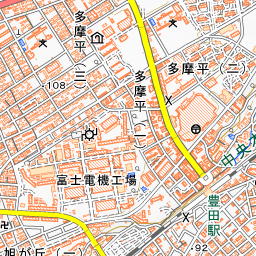
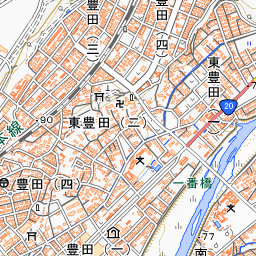
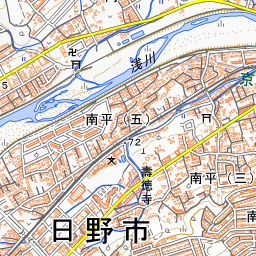
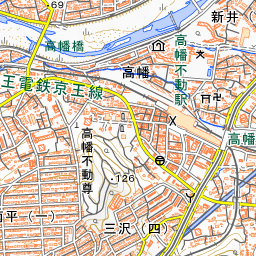
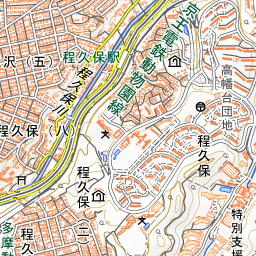
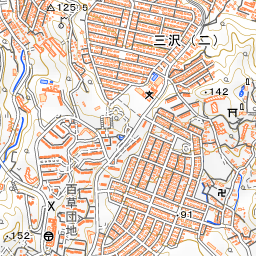
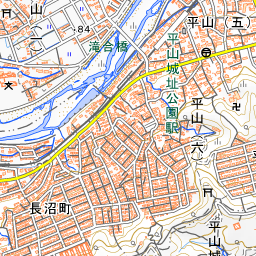
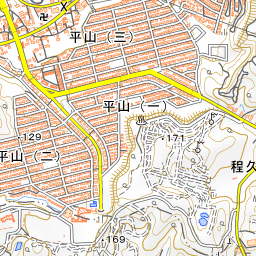
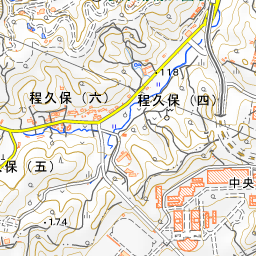
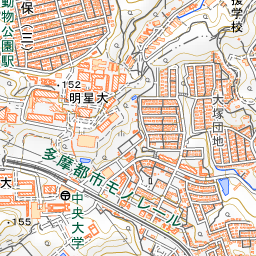
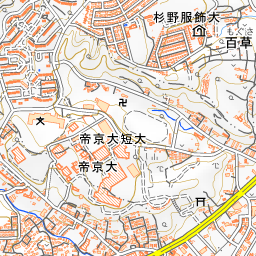
Spot location © OpenStreetMap contributors (ODbL)
Open in Google MapsGuides that include this spot (1)
Use asobot while you walk
- See where you are on the map and find spots nearby
- Listen to the guide's audio in course order, one after another (with subtitles)
- Walk to the next spot while following the map
Open on your phone
Scan to open this spot in asobot on your phone.