 ✨ AI Generated
Ikeda Castle
Japanese: 池田城
Ikeda, Osaka
This information was written by AI and may contain mistakes. Please check official sources for opening hours, fees, and other details before you go.
Found a mistake? Let us know with “✏️ Something's wrong” on this spot's screen in asobot →
🎧 Audio guide(1:08)
In short
A flatland mountain castle (hirayamajiro) located in what is now Shiroyama-cho, Ikeda City, which served as the residence of the Ikeda clan, a local warrior family (kokujin) that ruled this area from the Muromachi period to the Sengoku period. It was abandoned after Araki Murashige relocated to Itami Castle. Based on archaeological excavations, features such as the koguchi (entrance gates), earthworks, a well, and a dry landscape garden were reconstructed, and the main bailey area opened in 2000 (Heisei 12) as Ikeda Castle Site Park.
- Views from the Observation Rest House: From the turret-style observation rest house, you can look out over the streets of Ikeda and see a cable-stayed bridge resembling a giant harp, the Shin-Inagawa Bridge (popularly known as the "Big Harp"). The design of the rest house and the plaster walls is not based on historical fact, but is a staging inspired by castles
- Chisen-kaiyushiki Japanese Garden: The only pond-strolling garden in Ikeda City, composed of three scenic zones: deep mountain scenery, field scenery, and ocean scenery
- Remains Reconstructed from Excavations: The dry landscape garden, the well, the koguchi, and other features are remains reconstructed through archaeological excavations that took four years starting from 1989 (Heisei 1). It has also been revealed that a dry landscape-style garden had been built within the castle's main bailey
History and Highlights
Ikeda Castle was a flatland mountain castle (hirayamajiro) located in what is now Shiroyama-cho, Ikeda City. Built utilizing a ridge extending east to west from the southern foot of Mt. Satsuki, it served as the residence of the Ikeda clan, a local warrior family (kokujin) that ruled this area from the Muromachi period to the Sengoku period. The Ikeda clan gradually increased their influence, and during the era of Mitsumasa in the late 15th century, they became influential vassals of the Hosokawa clan, the military governors (shugo) of Settsu Province, expanding the castle's scale by enlarging the sannomaru (outer bailey) and other areas.
In 1568 (Eiroku 11), when Oda Nobunaga entered Settsu, the Ikeda clan submitted to him and were appointed as one of the three governors of Settsu. Later, Araki Murashige took control of the castle by capitalizing on internal strife within the Ikeda clan. After Murashige relocated to Itami Castle, Ikeda Castle was abandoned.
Based on archaeological excavations conducted during the Heisei era, features such as the koguchi (entrance gates), earthworks, a well, and a dry landscape garden (karesansui) were reconstructed. The main bailey (honmaru) area was opened in 2000 (Heisei 12) as Ikeda Castle Site Park. A replica castle tower and a replica gate have been erected within the grounds. The design of the turret-style observation rest house and the white plaster walls is not based on historical fact, but is an aesthetic staging inspired by castle architecture.
Viewing and Experience Highlights
- Views from the Observation Rest House: From the turret-style observation rest house, you can look out over the streets of Ikeda and see the Shin-Inagawa Bridge (popularly known as the "Big Harp"), a cable-stayed bridge resembling a giant harp. On clear days, the view extends toward Kobe and Wakayama.
- Chisen-kaiyushiki Japanese Garden: This is the only pond-strolling garden in Ikeda City, composed of three scenic zones: deep mountain scenery, field scenery, and ocean scenery. Next to the South Gate, a Japanese iris garden has also been cultivated.
- Remains Reconstructed from Excavations: The dry landscape garden, well, and koguchi gate structures were reconstructed through archaeological excavations that took four years starting from 1989 (Heisei 1). It has also been revealed that a dry landscape-style garden had originally been built within the castle's main bailey.
Walking Tips
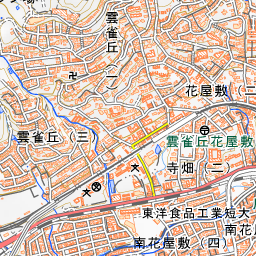
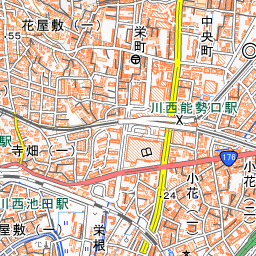
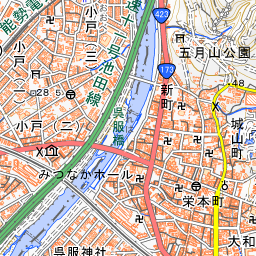
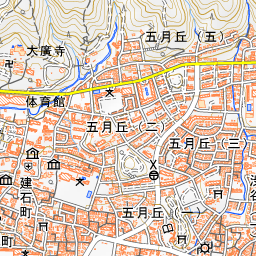
It is about a 15-minute walk from Hankyu Ikeda Station. The main entrance is the East Gate, where visitors cross a wooden bridge 3 meters wide and 23 meters long to pass through the gate. On weekends and public holidays, volunteer guide tours may be conducted. About 180 meters south is the Itsuo Art Museum, and the road running behind its northern side is the site of the former otedo (main approach road) to Ikeda Castle. Walking approximately 450 meters northwest leads into Satsukiyama Park.
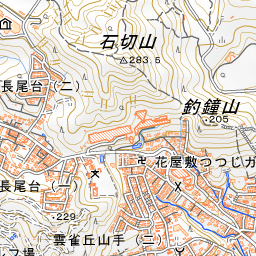
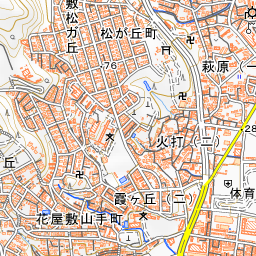
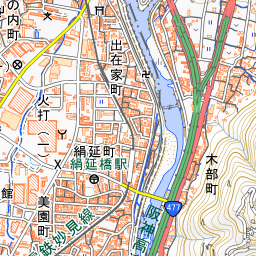

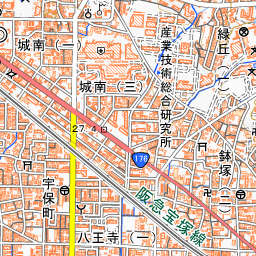
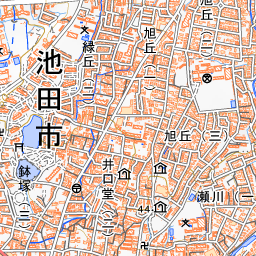
Spot location © OpenStreetMap contributors (ODbL)
Open in Google MapsUse asobot while you walk
- See where you are on the map and find spots nearby
- Listen to the guide's audio in course order, one after another (with subtitles)
- Walk to the next spot while following the map
Open on your phone
Scan to open this spot in asobot on your phone.