 ✨ AI Generated
Sukunahikona-jinja Shrine
Japanese: 少彦名神社
Chuo Ward, Osaka
This information was written by AI and may contain mistakes. Please check official sources for opening hours, fees, and other details before you go.
Found a mistake? Let us know with “✏️ Something's wrong” on this spot's screen in asobot →
🎧 Audio guide(1:11)
In short
A shrine nestled among the office buildings of Doshomachi, an area known as the "town of medicine." It enshrines Sukunahikona-no-Mikoto, the Japanese ancestral deity of medicine, and Shennong Yandi, the ancestral deity of Chinese medicine, and is also known as "Shinno-san." Its origin is said to date back to 1780 (Anei 9), when medicine merchants enshrined a branch spirit of Sukunahikona-no-Mikoto, invited from Gojo Tenshinsha Shrine in Kyoto, together with Shennong, whom they had previously worshipped.
- Papier-Mâché Tiger Talisman: It is said that when cholera broke out in Osaka in 1822 (Bunsei 5), the medicine guild prepared pills and distributed them to the public along with papier-mâché tiger talismans. The papier-mâché tiger is an amulet against illness and is also popular as an Osaka souvenir
- Shinno-sai Festival: The annual grand festival held every year on November 22 and 23. It is said that "Osaka's festivals begin with Ebessan and end with Shinno-san," and it is also called "Tome no Matsuri" (the concluding festival). As an event of the Yakusoko guild, it is designated as an intangible cultural property of Osaka City
- Doshomachi Museum of Medicine: A museum on the third floor of the shrine's administration building. It is a compact yet rewarding facility that holds the motto "Come here, and you will understand Doshomachi"
History and Highlights
Sukunahikona-jinja Shrine is nestled among the office buildings of Doshomachi, an area known as the "town of medicine." It enshrines Sukunahikona-no-Mikoto, the Japanese ancestral deity of medicine, and Shennong Yandi, the ancestral deity of Chinese medicine, and is affectionately known as "Shinno-san." Renowned as the deities of health and medicine, the shrine is still visited by many people connected with the pharmaceutical industry today.
Doshomachi has been a town where medicine merchants have gathered since the Edo period. Its origin is said to date back to 1780 (Anei 9), when medicine merchants enshrined Sukunahikona-no-Mikoto, whose spirit was invited from Gojo Tenshinsha Shrine in Kyoto, alongside Shennong, who had previously been worshipped at their guild hall. The site where the shrine stands was once the meeting place for the wholesale medicine merchants' guild during the Edo period.
Points for Appreciation and Experience
- Papier-Mâché Tiger Talisman: It is said that when cholera broke out in Osaka in 1822 (Bunsei 5), the medicine guild prepared pills called "Kotousakki-uouen" and distributed them to the public after offering prayers before the altar along with papier-mâché tiger talismans. The papier-mâché tiger is a protective amulet against illness associated with this shrine and is also popular as an Osaka souvenir.
- Shinno-sai Festival: Held every year on November 22 and 23, the Shinno-sai Festival is the shrine's annual grand festival. It is said that "Osaka's festivals begin with Ebessan and end with Shinno-san," earning it the name "Tome no Matsuri" (the concluding festival). An amulet featuring a papier-mâché tiger and a shrine talisman attached to a five-leaf dwarf bamboo branch is bestowed during this period. The Shinno-sai Festival is designated as an intangible cultural property of Osaka City as an event of the Yakusoko guild.
- Doshomachi Museum of Medicine: This museum opened in 1997 (Heisei 9) on the third floor of the shrine's administration building. Documents dating back roughly 300 years have been preserved in this location. It is a compact yet rewarding facility that holds the motto "Come here, and you will understand Doshomachi."
Walking Tips
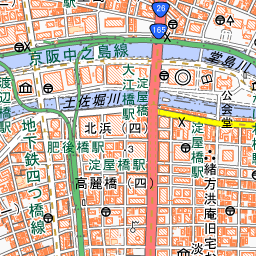
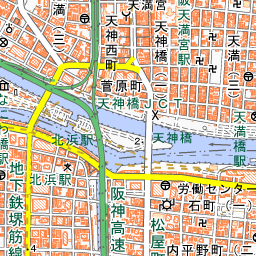
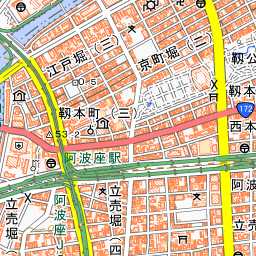
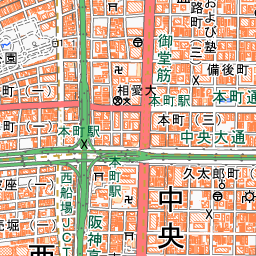
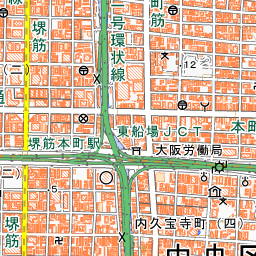
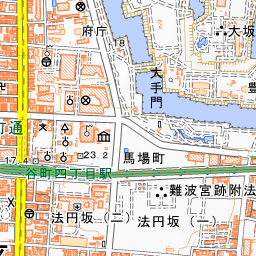
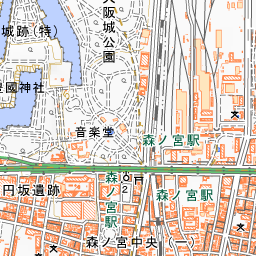
The nearest station is Kitahama Station on the Osaka Metro Sakaisuji Line, about a 5-minute walk from Exit 6. It takes about 10 minutes on foot from Yodoyabashi Station on the Midosuji Line. About 380 meters northwest of the shrine is Tekijuku, which you can visit together on a stroll tracing the history of the Senba area. The shrine grounds become crowded during the two days of the Shinno-sai Festival, especially in the afternoon.
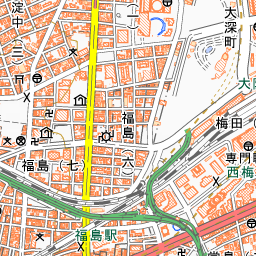


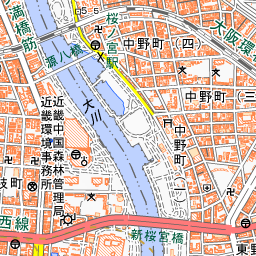
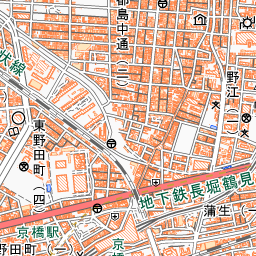
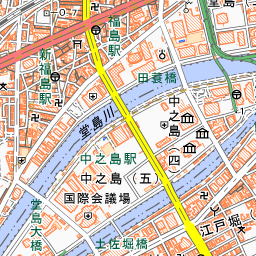

Spot location © OpenStreetMap contributors (ODbL)
Open in Google MapsUse asobot while you walk
- See where you are on the map and find spots nearby
- Listen to the guide's audio in course order, one after another (with subtitles)
- Walk to the next spot while following the map
Open on your phone
Scan to open this spot in asobot on your phone.